Guide
How Long Do Pickleball Balls Last?
They are a consumable, not equipment - which is exactly why they make such a reliably welcome gift. Here is what kills them and how many to buy.
By Stephen V. · Updated October 2026 · How we pick
The honest answer: nobody can give you a number
Anybody who tells you a pickleball ball lasts exactly ten games is making it up. Lifespan depends on how hard the players hit, what surface they play on, how cold it is, and — more than anything else — luck. A ball can survive twenty sessions or crack on the third point. What can be said honestly is what kills them, how to recognize a dead one, and what that means for buying them as a gift. That is what this page does.
The important framing is that pickleballs are a consumable, like tennis balls or golf balls, not equipment like a paddle. Players do not maintain them, repair them or retire them on a schedule. They use them until they fail, then reach for the next one. That single fact is the reason a multipack of balls is one of the most reliably welcome gifts on this entire site: you are not guessing at a preference, you are topping up something that is being used up.
What actually kills a pickleball
Four failure modes, in roughly the order they account for balls leaving a player's bag.
- Cracking.The main one. A pickleball is a hollow perforated plastic shell, and repeated hard impacts eventually split it — usually along a line between holes. This is the outdoor ball's characteristic death, because outdoor balls are made harder and more brittle on purpose.
- Cold. The single biggest accelerant, and the one players consistently underestimate. Cold plastic is brittle plastic. A player who plays outdoors through winter will go through substantially more balls than the same player in July, which is worth knowing if you are buying a December gift.
- Going soft or out of round.The indoor ball's failure mode. Softer plastic deforms rather than cracks, so the ball stops being truly round and the bounce gets unpredictable before anything visibly breaks.
- Loss.Not a failure at all, and probably the leading cause of balls needing replacing. They roll into hedges, under fences, down storm drains and into neighbouring courts. Nobody's ball count goes down gracefully.
What does not meaningfully shorten a ball's life: being left in a bag, being used on different paddles, or being played with by better players. Surface roughness does matter — a coarse outdoor court scuffs a ball faster than a gym floor — but it is a second-order effect next to cold and impact.
How to tell a ball is finished
Three checks, in the order players actually use them.
Listen. A healthy pickleball has a bright, sharp crack off the paddle. A cracked or softened ball sounds dull and flat. Experienced players identify a dead ball by ear before they look at it, and it is the fastest test there is.
Bounce it. Drop it from waist height onto a hard surface next to a new ball. A dead ball bounces noticeably lower, or wobbles off at an angle because it is no longer round.
Look and squeeze. Hold it up and turn it. Cracks run between the holes and are easy to miss on a white ball in flat light. A squeeze tells you whether the shell has softened, which matters mostly for indoor balls.
The reason any of this matters beyond tidiness: a soft or out-of-round ball behaves unpredictably, which makes it genuinely harder to practise a controlled soft game with. A player working on dinks and drops with a dead ball is fighting their equipment, which is the same argument our control paddle page makes about cheap paddles.
Indoor and outdoor balls fail differently
This matters for buying, so it is worth a paragraph. USA Pickleball's rulebook permits a ball with between 26 and 40 holes, and manufacturers use the two ends of that range to make two different products. Indoor balls sit at the low end — roughly 26 larger holes in a softer, lighter plastic. Outdoor balls sit at the high end, around 38 to 40 smaller holes in a harder, heavier shell, so that wind affects them less.
Those material differences produce different deaths. The hard outdoor ball cracks: a clean split, usually sudden, often in cold weather. The softer indoor ball deforms: it goes out of round and the bounce turns unreliable before anything breaks. Neither lasts conspicuously longer than the other in general, but a player who tells you their balls "always crack" is almost certainly an outdoor player, and one who says theirs "go weird" is playing in a gym.
If you are buying balls, the one thing you must get right is which type. Our indoor vs outdoor explainer covers how to tell them apart in ten seconds — count the holes — and the two roundups are indoor balls and outdoor balls. If you genuinely cannot find out, outdoor is the safer blind purchase in the United States because most casual play happens outside.
What this means for buying balls as a gift
Three practical conclusions, and they are the reason this page exists on a gift site.
Buy more than you think. There is no such thing as too many pickleballs. A regular player is always one cracked ball away from needing another, and an organizer who hosts open play buys them constantly. A dozen is a reasonable gift; a bulk pack is a genuinely useful one for anybody who runs games.
Balls are the safest item in the category. No size, no fit, no brand loyalty strong enough to make the gift wrong, and no risk of duplicating something they own — because owning some is not a reason to want fewer. That is a rare combination, and it is why balls appear on our stocking stuffers and gift basket pages as a default inclusion.
They are a companion gift, not usually a headline one. As the entire present for a significant occasion, a pack of balls reads as modest. Alongside something else — a bag, a towel, an overgrip, a book — it is the item that gets used first. If your recipient drills alone or hosts a group, the natural upgrade is a bulk pack plus a caddy or hopper to keep them in, which turns a consumable into a setup.
The four picks below are the honest spread: the bulk pack for somebody who gets through them, a standard dozen, the most recognized brand in American pickleball, and an indoor option — because which type they need is the only decision on this page you cannot get wrong by buying more.
The gear this guide points to
Disclosure: Popaddle earns a commission on qualifying purchases made through the links on this page, at no extra cost to you. Prices are pulled live and can change. How this works.
| # | Product | Best for | Price |
|---|---|---|---|
| 1 | 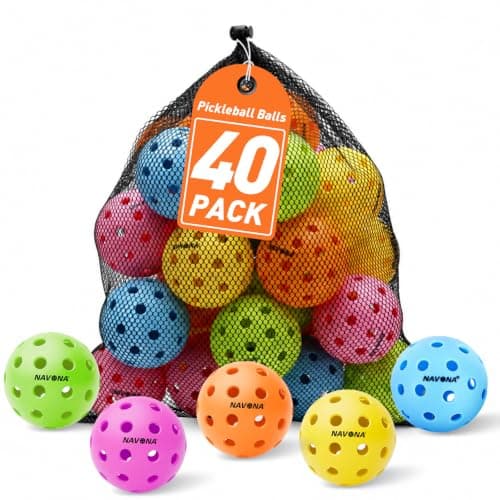 Navona 40 Pack Premium 40 Holes Multicolor Outdoor Pickleball A 40-pack of 40-hole outdoor balls — the bulk option, and the best price per ball on this site. | An organizer, a host, or anyone who plays several times a week outdoors | |
| 2 | 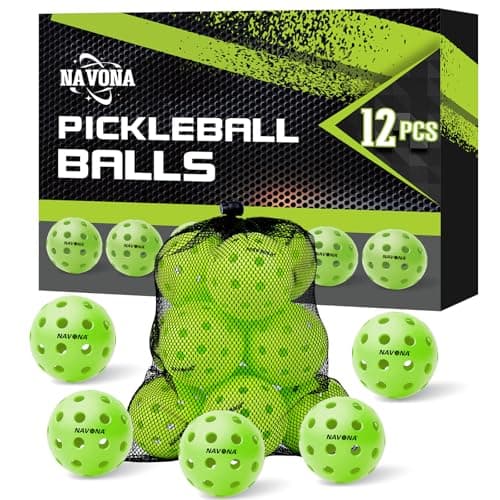 Navona 12 Pack Premium 40 Holes Green Outdoor Pickleball A dozen 40-hole outdoor balls — enough to matter, small enough to wrap. | A regular player, as a gift or an add-on | |
| 3 | 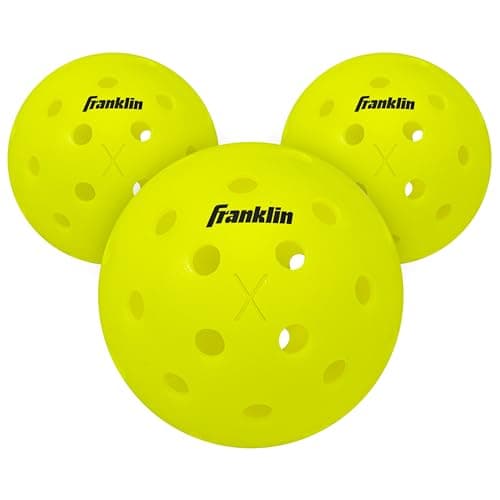 Franklin Sports Pickleball x Performance 40 Outdoor Balls Optic Franklin's outdoor performance ball — the brand most American players can name. | A player who is particular about which ball they use | $9.89 · View on Amazon $11.99 save 18% |
| 4 | 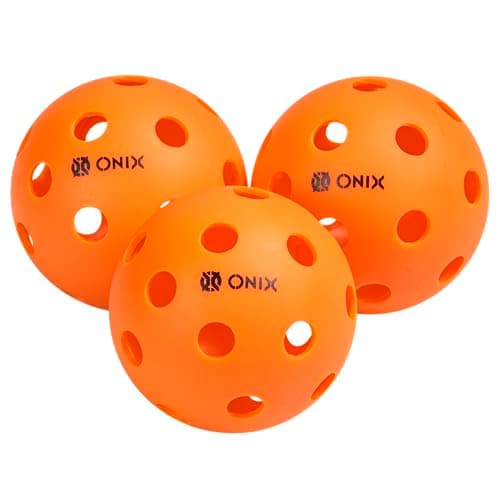 ONIX Recruit Ready‑to‑Play Indoor Pickleball Balls with Superior Welding An established indoor ball, for the players none of the picks above suit. | Anyone who plays in a gym or community center |
Navona 40 Pack Premium 40 Holes Multicolor Outdoor Pickleball
Best for: An organizer, a host, or anyone who plays several times a week outdoors
This is the pick that treats balls as what they are: a running cost. For a player who hosts open play, runs a group, or simply plays often enough that a cracked ball every week is normal, a bulk pack is more useful than almost anything else at the same price - and it is the one gift in this category that cannot be the wrong size, the wrong color or a duplicate. The 40-hole count in the listing title marks it as an outdoor ball, which is the right default for most American recreational play.
Skip it if: Skip it if they play indoors - these are outdoor balls and the difference is immediately obvious on a gym floor. Skip it too if this is the entire gift for an occasion that matters; a sack of balls is practical rather than exciting, and it works best alongside something else.
Price as of October 5, 2026. #ad · how this works
Navona 12 Pack Premium 40 Holes Green Outdoor Pickleball
Best for: A regular player, as a gift or an add-on
A dozen is the quantity that reads as a real gift rather than a token, without becoming a sack of plastic. For most recipients this is the right call: it covers a few months of normal play, it fits in a bag, and it costs little enough to pair with something larger. It is also the easiest ball purchase to justify when you are not sure how much they play - nobody with a dozen spare balls has too many.
Skip it if: Skip it for a heavy player or an organizer, who will get better value from the 40-pack above at a lower price per ball. Skip it if they play indoors, like every outdoor ball on this page - count the holes on a ball in their bag if you are unsure.
Price as of October 5, 2026. #ad · how this works
Franklin Sports Pickleball x Performance 40 Outdoor Balls Optic
Best for: A player who is particular about which ball they use
Some players genuinely do have a preferred ball, and when they do it is most often a Franklin, because the brand is the most visible in American pickleball and makes the official ball of major tours. For a recipient who follows the sport closely enough to have an opinion, buying the recognizable name is worth more than buying the cheapest plastic. It is also a safer choice when the balls will be used in a group, since this is the one brand nobody complains about.
Skip it if: Skip it if quantity is the point - the bulk packs above give far more balls per dollar, and for most recreational play the difference in feel is smaller than the difference in count. Skip it too if they play indoors, and buy the indoor pick below instead.
ONIX Recruit Ready‑to‑Play Indoor Pickleball Balls with Superior Welding
Best for: Anyone who plays in a gym or community center
Everything else on this page is an outdoor ball, so this is the pick that covers the other half of the sport. If your recipient plays in a gym, a community center or anywhere with a wooden or sprung floor, this is the ball to buy - softer, with the roughly 26 larger holes that define the indoor pattern. ONIX is a long-established pickleball brand, which makes it a recognizable gift as well as the correct one. Our indoor ball roundup covers the rest of the field.
Skip it if: Skip it if any of their play happens outdoors, where an indoor ball is too light for even a mild breeze. If they play both, buy one pack of each rather than compromising - they are different products, not two grades of the same one.
Price as of October 5, 2026. #ad · how this works
Frequently asked questions
How long does a pickleball ball actually last?
There is no honest number. It depends on how hard the players hit, the court surface, the temperature and plain luck - a ball can last twenty sessions or crack on the third point. What is predictable is the pattern: outdoor balls crack, indoor balls go out of round, cold weather accelerates both, and more balls are lost than are ever retired. Treat them as a consumable rather than something with a service life.
How can I tell if a ball is dead?
Listen to it first - a healthy ball has a bright crack off the paddle and a dead one sounds dull. Then bounce it next to a new ball from waist height: a dead ball bounces lower or wobbles because it is no longer round. Then look closely, since cracks run between the holes and are easy to miss on white plastic, and squeeze it to check whether the shell has softened. The sound test is the one experienced players actually use.
Does cold weather really break them faster?
Yes, and it is the biggest single factor nobody accounts for. A pickleball is a hollow plastic shell, cold plastic is brittle, and brittle plastic cracks. A player who plays outdoors through winter will get through noticeably more balls than the same player in summer. If you are buying a holiday gift for an outdoor player in a cold climate, that is a direct argument for a bulk pack over a dozen.
Do indoor and outdoor balls last different amounts of time?
They fail differently rather than faster or slower. USA Pickleball's rules permit 26 to 40 holes, and manufacturers use the extremes: indoor balls have roughly 26 larger holes in softer plastic, outdoor balls around 38 to 40 smaller holes in a harder shell. The hard outdoor ball cracks suddenly; the softer indoor ball deforms and goes out of round before anything visibly breaks.
How many balls should I buy as a gift?
More than feels necessary. A dozen is the standard gift quantity and covers a few months of normal play. A bulk pack is the better choice for anyone who hosts games, runs a group, plays several times a week, or plays outdoors in winter. There is genuinely no downside to quantity here - balls are consumed, so owning some is not a reason to want fewer.
Are balls a good gift on their own?
As a companion gift they are excellent: cheap, always needed, impossible to get wrong on size or fit. As the entire present for a significant occasion they read as modest. The natural pairings are a caddy or hopper if the recipient drills alone, a bag if they are still carrying everything loose, or a towel and overgrip as a bundle. Our gift basket page treats a multipack of balls as a default inclusion.
Keep exploring
For gym and community-center play.
Best outdoor pickleball ballsThe safer blind buy in the US.
Indoor vs outdoor pickleballsCount the holes - they are different balls.
Best pickleball ballsThe all-surfaces roundup.
Best pickleball caddies and hoppersSomewhere to put a bulk pack.
Pickleball stocking stuffersWhere a multipack fits perfectly.
Pickleball gift basketsBalls as the default filler.
Sources
Browse another way