Best Gear
JOOLA Perseus Alternatives
The Perseus is an elongated 16mm power-and-spin paddle with the sport's most recognised signature on it. Here is what actually matters about that, and which paddles match each part of it.
By Stephen V. · Updated November 2026 · How we pick
The verdict: buy the Engage Pursuit Pro1 Elongated. It matches the Perseus on the specification that defines it - an elongated shape with a raw carbon face, USA Pickleball approved - at meaningfully less money, and it adds an edge barrier built to damp the vibration a narrow head produces. The budget pick is the JOOLA GRAF Edge 16mm, which stays in the family at about a third of the price. And if what you want is a Perseus rather than an alternative, the Perseus Double Vision is the cheaper one and it is on this page for exactly that reason.
Start with what the Perseus actually is, from its own listing rather than from reputation. The current Pro IV 16mm publishes an elongated shape for power and spin, a 16mm core, Tech Flex Power construction, a Propulsion Core that JOOLA says increases power and touch, UPA-A certification, USAP approval and an NFC chip. It is the current generation of JOOLA's Ben Johns signature line - which is the most recognised signature in the sport - and it sits inside two hundred dollars. Our full review lays out every figure JOOLA publishes, including the ones it does not.
Now the part that decides whether an alternative works for you, because "alternative to a Perseus" means three different things to three different buyers. Some people want the shape: an elongated head for reach and leverage. Some want the face and core: raw-feeling carbon over a thick 16mm core, which is the forgiving-for-an-elongated-paddle combination. And some want the status - a flagship with a name on it. Those are separable, and the picks below are labelled by which one they match. If you are not sure which you want, you want the shape, because that is the thing that changes how the paddle plays.
What the shape costs you, stated plainly. Selkirk's shape guide puts it as clearly as anyone: standard and widebody outlines spread the hitting area, elongated outlines trade sweet-spot width for reach. USA Pickleball's rulebook is why the trade is unavoidable - a paddle can be up to 17 inches long with 24 inches of combined length and width, so every inch of extra length has to come out of the width. The Perseus mitigates it with a 16mm core, and JOOLA's own guide explains why that works: a thicker core is the control-and-stability choice where thinner cores deliver pop. Any alternative that keeps the elongated shape but drops to 14mm is a less forgiving paddle, and the pick below that does exactly that says so.
Why people look for an alternative at all, honestly. Price is the main one - the Pro IV sits at the upper end of the sensible band and there are elongated raw-carbon paddles for a third less. Availability is the second: signature paddles sell through colourways and sizes quickly. And the third is a genuine preference against the endorsement: some players would rather not pay for a name, and that is a reasonable position rather than a contrarian one. None of those is a criticism of the paddle, and nothing on this page claims the Perseus underperforms - it is a current flagship and the picks below are matched against it, not pitched above it.
One compatibility note that catches people out. The Perseus publishes a long handle, which is what makes a two-handed backhand practical, and a player who has adapted to that will notice a shorter one immediately. Handle length is published inconsistently across the alternatives below, so if a two-handed backhand is the reason the Perseus was on the list, treat handle length as the first filter and the face fabric as the second. Grip circumference matters too: Selkirk's guidance is to size down and build the handle up with an overgrip, because material can be added and never removed.
And the honesty section. Nobody on this site has hit with the Perseus or with any paddle on this page. There is no lab, no testing program, and not one rating, swing weight, spin figure or durability comparison below is ours. Every specification on both sides of every comparison is repeated from the manufacturer's own published listing or guide, and where a brand publishes no static weight - which includes several paddles here and, on some listings, JOOLA itself - this page does not supply one. For sanctioned play, check the exact model in USA Pickleball's approved equipment database rather than trusting a listing or this page.
Disclosure: Popaddle earns a commission on qualifying purchases made through the links on this page, at no extra cost to you. Prices are pulled live and can change. How this works.
| # | Product | Best for | Price |
|---|---|---|---|
| 1 | 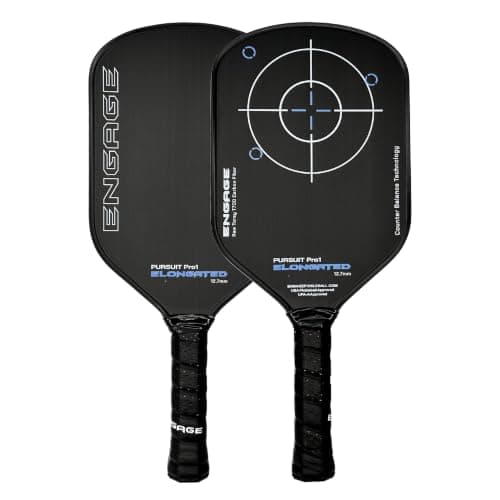 Engage Pursuit Pro1 Elongated 15.2mm An elongated raw carbon paddle, USA Pickleball approved, with a vibration-damping edge - the closest match on specification. | A player who wants the Perseus shape and face for meaningfully less money | $103.99 · View on Amazon $129.99 save 20% |
| 2 | 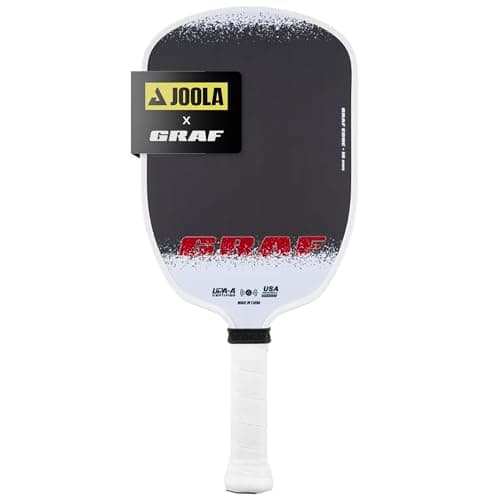 JOOLA GRAF Edge 16mm The cheapest paddle here that does the job - same brand, same 16mm core, same UPA-A certification. | Anyone who wants the brand and a published 16mm core for a third of the price | $42.46 · View on Amazon $49.95 save 15% |
| 3 | 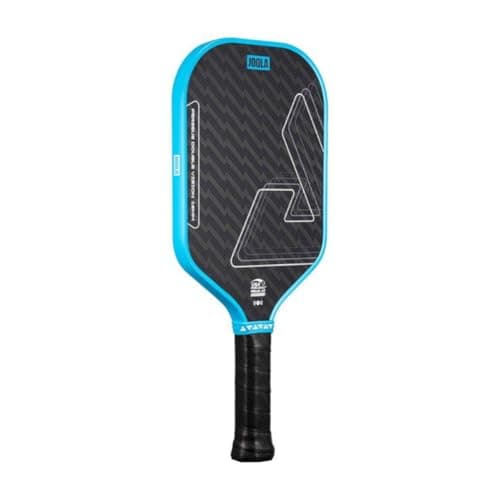 JOOLA Perseus Double Vision 16mm The Perseus shape and a 16mm core with an aramid face JOOLA publishes as a softer, more responsive touch. | Someone who wants a Perseus and a smaller bill, especially a control player | |
| 4 | 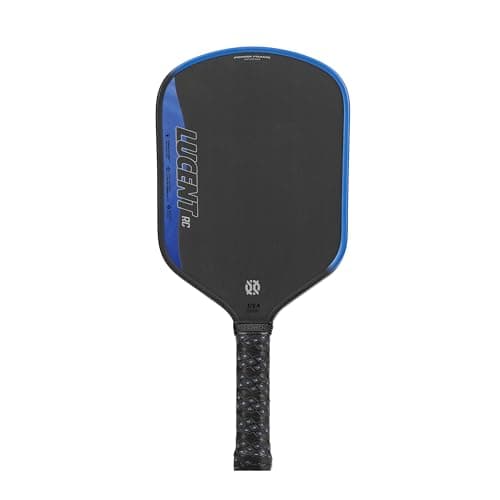 Onix Lucent Raw Carbon An elongated raw carbon paddle with a tennis-style grip, from a brand sold on sporting-goods shelves. | A gift that needs a recognisable name and the same elongated shape | $100.50 · View on Amazon $119.99 save 16% |
| 5 | 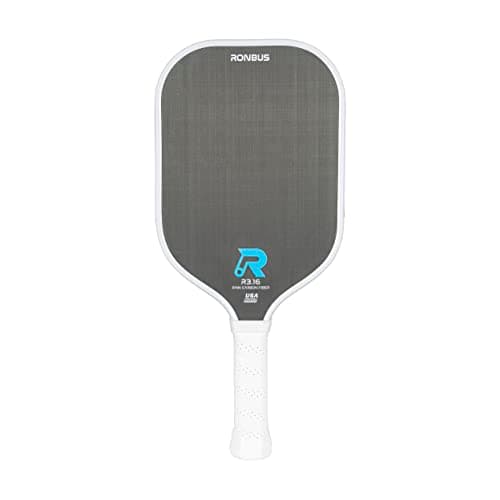 Ronbus R3.16 Raw Toray T700 Carbon Fiber 16mm A raw Toray T700 carbon face over a published 16 mm polypropylene honeycomb core. | A player who wants a named carbon fabric and a published core thickness, with no logo premium | $79.99 · View on Amazon $99.99 save 20% |
| 6 | 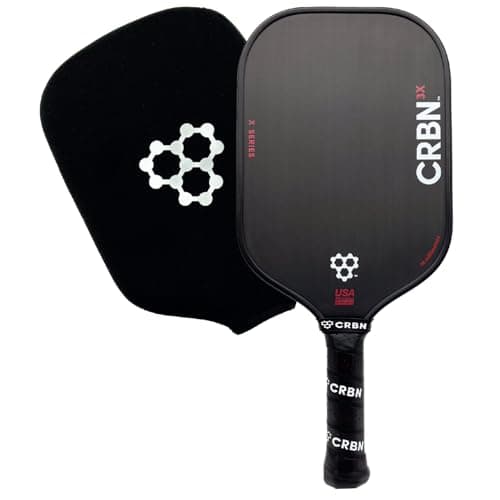 CRBN X Series Power 14mm Carbon Fiber A 14mm carbon paddle from a competition-only brand, at roughly Perseus Pro IV money. | A player who found the Perseus controlled rather than fast and wants the opposite trade | |
| 7 | 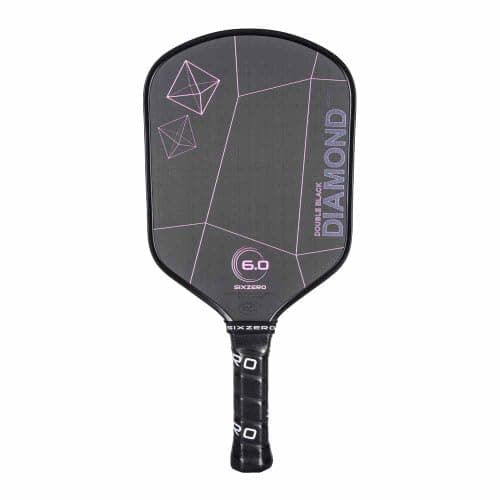 Six Zero Double Black Diamond Control 14mm A control-first flagship above Perseus Pro IV money, from a specialist whose reputation rests on this paddle. | A player who wants a different flagship entirely, from a brand built on one line | |
| 8 | 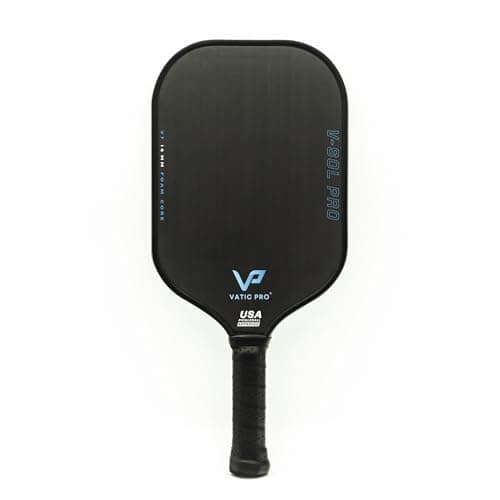 Vatic Pro V-Sol Pro V7 16mm Foam Core A 16mm foam-core paddle with a cover included, at roughly two-thirds of the Perseus Pro IV. | An improving player who wants current construction at well under Perseus money |
The picks in detail
Engage Pursuit Pro1 Elongated 15.2mm
Best for: A player who wants the Perseus shape and face for meaningfully less money
This is the best all-round substitute, and it matches the Perseus on the two specifications that define it. The listing specifies an elongated shape at 15.2mm, a raw carbon fiber face, SpinCore technology, a Vortex Barrier edge built to limit vibration, and USA Pickleball approval. Against the Perseus Pro IV's published elongated shape, 16mm core and raw-carbon-family face, that is a like-for-like on geometry and face construction at substantially less money. The edge barrier is a genuine addition rather than a different way of saying the same thing: a narrow head sends more buzz into the arm on an off-center hit, and damping at the perimeter is the direct answer. What you give up is the signature and a millimetre and a half of core.
Skip it if: Skip it if the recipient asked for a Perseus by name - substituting a stated request is how a good paddle becomes a disappointing gift, and the Double Vision below is the in-family way to spend less. Skip it too if they have a two-handed backhand built around the Perseus handle; this listing does not publish a comparable handle length, so you would be guessing.
JOOLA GRAF Edge 16mm
Best for: Anyone who wants the brand and a published 16mm core for a third of the price
This is the budget pick and it stays inside the family, which makes the comparison unusually clean. The listing specifies a 16mm core, a carbon fiber face for spin and control, an Agassi shape, UPA-A certification and USAP approval - so against the Perseus Pro IV you keep the brand, the core thickness and the current certification, and you give up the signature shape, the Propulsion Core and the raw carbon face. At about a third of the price that is a defensible trade for a player who is improving rather than competing. It is also the right answer when the honest situation is that someone wants a JOOLA and the Perseus budget is not there.
Skip it if: Skip it if the shape is the point - the Agassi outline is not an elongated paddle, and a player who wants reach will not get it here. Skip it too if they already own a sub-$50 carbon paddle; that is a sideways move, and the money does more good on shoes, balls or a bag.
JOOLA Perseus Double Vision 16mm
Best for: Someone who wants a Perseus and a smaller bill, especially a control player
This is on the page because for a lot of people searching for a Perseus alternative, the honest answer is a different Perseus. The listing specifies JOOLA's signature paddle shape, a 16mm core, an aramid surface the brand describes as giving a softer responsive touch, SK Film for reduced vibration, USAP approval and an NFC chip - so you keep the line, the shape family and the core thickness, and you trade the Pro IV's power-and-spin positioning for a face built around feel. For a control player that is not a downgrade at all; it is the better paddle of the two and it costs less. It is also the cheapest route to a paddle that says Perseus on it.
Skip it if: Skip it if power is the brief - the aramid face and the thick core both point away from pace, so buying this for a banger gets it wrong twice. Skip it too if they want the current flagship specifically; this listing does not publish the UPA-A certification the Pro IV does, which matters only for sanctioned play but matters there.
Price as of November 22, 2026. #ad · how this works
Onix Lucent Raw Carbon
Best for: A gift that needs a recognisable name and the same elongated shape
Buy this one when brand recognition is part of what the Perseus was doing. The listing specifies an elongated shape, a Hexcell core, a carbon fiber face, a tennis-style pickleball paddle grip and USAPA approval - the same geometry and face family as the Perseus from one of the three brand names a non-player will have seen on a shelf. The tennis-style handle is a real differentiator for the buyer this shape suits most often, which is someone arriving from tennis: a familiar handle under a familiar lever is an easier transition than a pickleball-specific grip. Priced well under the Pro IV, it swaps one recognisable name for another without changing what the paddle is.
Skip it if: Skip it if you are comparing materials lists - "Hexcell core" is a brand name rather than a thickness, and the Engage and Ronbus picks publish more for similar money. Skip it too if they have small hands and you cannot check the grip; a tennis-style handle is not a slim one.
Ronbus R3.16 Raw Toray T700 Carbon Fiber 16mm
Best for: A player who wants a named carbon fabric and a published core thickness, with no logo premium
This is the specification-first match. The listing specifies a raw Toray T700 carbon fiber face over a 16 mm polypropylene honeycomb core, in the R1.16 / R2.16 / R3.16 family - which puts it level with the Perseus Pro IV on core thickness and names its carbon fabric explicitly, something most listings in this band do not. Toray T700 is a real material designation rather than marketing language, and "raw" means an unpainted face, which is what gives these paddles their grip on the ball. Ronbus prices without an endorsement, so the money goes into the materials. Check the variant selector: the three models share one listing and are different shapes.
Skip it if: Skip it as a surprise gift unless you know they shop on specification - there is no name here that a non-player recognises, which is the opposite of what the Perseus brings. Skip it too if you cannot confirm which shape is being sent; only one of the three in the family is the elongated match.
CRBN X Series Power 14mm Carbon Fiber
Best for: A player who found the Perseus controlled rather than fast and wants the opposite trade
Buy this one if the complaint about the Perseus is that it is too damped. The listing specifies a CRBN X Series Power carbon fiber paddle at 14mm. The thickness is the whole argument and it is the one specification that genuinely separates it from the Perseus: JOOLA's own paddle guide describes a 16mm core as the control-and-stability choice and thinner cores as the ones that deliver pop, so a 14mm core from a brand whose entire catalogue is competition paddles is a deliberate step toward pace. At a similar price to the Pro IV, this is a lateral move in cost and a real move in character - which is exactly what some players mean by "alternative".
Skip it if: Skip it for anyone whose balls already sail long - a thinner core makes that worse, and the Double Vision above is the fix rather than this. Skip it too if you need the shape published; this listing names the series and the thickness and does not publish an outline, so it is not a guaranteed elongated match.
Price as of November 22, 2026. #ad · how this works
Six Zero Double Black Diamond Control 14mm
Best for: A player who wants a different flagship entirely, from a brand built on one line
This is the pick for the buyer whose real question is which flagship, not which Perseus. The listing specifies a Six Zero Double Black Diamond Control paddle at 14mm with a black edgeguard. Against the Perseus Pro IV it is a different proposition on every axis that is published: a control-first positioning rather than power and spin, a thinner core, and a brand with no signature player and a catalogue built around this one line. It costs more. What you are buying is a paddle with standing among players who read reviews rather than one with standing among people who watch the sport, and for some buyers that is precisely the point. Our full write-up covers every figure Six Zero publishes.
Skip it if: Skip it if the budget was the reason you were looking for an alternative - this is more expensive than the paddle it replaces, not less. Skip it too for a recreational doubles player who mis-hits; a 14mm core and a flagship price is a lot to spend on less forgiveness, and our 16mm roundup has the wide faces.
Price as of November 22, 2026. #ad · how this works
Vatic Pro V-Sol Pro V7 16mm Foam Core
Best for: An improving player who wants current construction at well under Perseus money
This is the sensible middle of the page. The listing specifies a V-Sol Pro V7 at 16mm with a foam core and an included paddle cover - and foam construction is the direction the top of the market has moved, which is what the Perseus's own Propulsion Core language is about. Matching the Perseus on published core thickness while publishing a foam build at two-thirds of the price is a real value argument, and the included cover is the kind of practical detail flagship listings leave out. The honest limit is that this listing publishes less than JOOLA's does: a thickness, a core material and not much else, with no shape and no weight.
Skip it if: Skip it if you want the specification fully described - the Perseus listing publishes considerably more, and so do the Engage and Ronbus picks above. Skip it too if the paddle is a gift for someone who follows the sport; Vatic Pro is a known name to people who read paddle releases and nobody else.
Frequently asked questions
What is the JOOLA Perseus built for?
Power and spin from an elongated shape, with a thick core to keep it playable. The current Pro IV 16mm listing publishes an elongated shape for power and spin, a 16mm core, Tech Flex Power construction, a Propulsion Core JOOLA says increases power and touch, UPA-A certification, USAP approval and an NFC chip. It is the current generation of the Ben Johns signature line. Our full review sets out every figure JOOLA publishes about it, and is explicit about the ones it does not.
What is the closest alternative to the Perseus Pro IV?
The Engage Pursuit Pro1 Elongated, on published specifications. It matches the elongated shape and the raw carbon face, carries USA Pickleball approval, and adds an edge barrier built to limit the vibration a narrow head produces - at meaningfully less money. The two differences you are accepting are a slightly thinner core, at a published 15.2mm against 16mm, and the absence of the signature. Whether it feels the same is not something this page can tell you, because nobody here has hit with either.
Is there a cheaper Perseus?
Yes - the Perseus Double Vision 16mm, and for a control player it may be the better paddle rather than the compromise. It publishes the same signature shape and the same 16mm core, with an aramid face JOOLA describes as a softer, more responsive touch instead of the Pro IV's power-and-spin positioning. It costs less. The one specification it does not publish is the UPA-A certification the Pro IV carries, which only matters for sanctioned play - but there it matters, so check the equipment database for the exact model.
Will an alternative work with a two-handed backhand?
Check the handle length first, and treat everything else as secondary. The Perseus publishes a long handle, which is what makes room for a second hand, and a player who has adapted to it will notice a shorter one immediately. Handle length is published inconsistently across the alternatives here, which is an honest gap rather than something this page will fill with estimates. If a two-handed backhand is the reason the Perseus was on the shortlist, buy from a listing that publishes its handle dimension.
Do I need an elongated paddle at all?
Only if you want reach or leverage more than you want forgiveness. Selkirk's shape guide frames the trade exactly: standard and widebody outlines spread the hitting area, elongated ones trade sweet-spot width for reach, and USA Pickleball's 17-inch length and 24-inch combined limits are what make the trade unavoidable. Tennis converts, singles players and players who win points by driving the third ball get the most from it. A doubles player who mis-hits regularly will play better with a wide face, whatever the price.
Are these approved for tournaments?
Several of these listings publish USAP approval and the newest publish UPA-A certification, but a retail listing is not a reliable source for current status. USA Pickleball's approved equipment database is the only place that tells you whether a specific model is approved right now, and surface rules have changed recently enough that a listing can be out of date without being dishonest. If sanctioned play matters, check the database for the exact model - including for the Perseus itself.
How were these picked, and have you played with them?
No. Nobody on this site has hit with the Perseus or with any paddle on this page, there is no testing program behind Popaddle, and no rating, weight, spin figure or durability comparison here is ours. Every specification on both sides of every comparison is repeated from the manufacturer's own published listing, and the context on thickness, shape and legality is sourced to JOOLA, Selkirk and USA Pickleball at the foot of the page. The shortlist is the paddles in this site's registry carrying a live price that match a published Perseus specification - shape, face, core thickness - or that undercut it on price.
Keep exploring
Every figure JOOLA publishes on the paddle this page is about.
Best JOOLA pickleball paddlesIf you want to stay in the family - which JOOLA to buy.
Selkirk paddle alternativesThe same exercise for the other most-recognised brand.
Six Zero Double Black Diamond alternativesThe control-paddle version of this page, for the $180 direct-to-consumer favorite.
Best elongated pickleball paddlesEvery elongated paddle we carry, sorted by who it suits.
Best pickleball paddles under $200The band the Perseus and most of its alternatives share.
JOOLA Hyperion CAS 16 reviewThe previous JOOLA flagship, and how its specification differs.
Best pickleball paddles for powerIf power, not the Perseus specifically, is what you are shopping for.
Sources
- USA Pickleball — Official Rulebook, Section 2 (2.E.3 paddle size: 24 in combined length and width, 17 in maximum length; 2.E.4 no weight restriction; no grip-size restriction)
- USA Pickleball — Approved equipment database (which paddles are approved for sanctioned play)
- JOOLA — Official Paddle Guide (core thickness: 16mm for control and stability, thinner cores for pop)
- Selkirk Sport — the ultimate guide to pickleball paddle shapes (standard/widebody shapes spread the hitting area; elongated shapes trade sweet-spot width for reach)
- Selkirk Sport — how to know your pickleball grip size (measure from the middle crease of the palm to the tip of the ring finger; when between sizes, go smaller and build up with an overgrip)
Browse another way