Best Gear
JOOLA Hyperion Alternatives
The Hyperion CAS 16 is an elongated 16mm spin paddle with a carbon abrasion surface and a long handle. Here is which paddles match each part of that, and what each one costs you.
By Stephen V. · Updated November 2026 · How we pick
The verdict: buy the Onix Lucent Raw Carbon. It matches the two specifications that define the Hyperion CAS 16 - an elongated shape and a carbon fiber hitting face, USAPA approved - from a brand sold on sporting-goods shelves, at less money. The budget pick is the JOOLA GRAF Edge 16mm, which keeps the brand, the 16mm core and current UPA-A certification for a fraction of the price. And if what you actually want is a JOOLA flagship rather than a replacement for one, the Perseus Double Vision is the in-family answer.
Start with what the Hyperion actually is, taken from its own listing rather than from reputation. The CAS 16 publishes a Carbon Abrasion Surface with high grit and spin, a Sure-Grip elongated handle, a 16mm core, a polypropylene honeycomb core and USAPA approval, under the Ben Johns name. Three of those are the things people are really trying to replace: the gritty carbon surface that generates spin, the elongated outline, and the long handle that makes a two-handed backhand practical. Our full review sets out every figure JOOLA publishes about it, including the ones it does not.
Here is the part that decides whether an alternative works for you, because "alternative to a Hyperion" means three different things to three different buyers. Some people want the SURFACE: a high-grit carbon face that bites the ball. Some want the SHAPE: an elongated head for reach and leverage. And some want the HANDLE: the long grip that leaves room for a second hand on the backhand. Those three are separable, and every pick below is labelled by which one it matches. If you are not sure which matters most, it is the shape, because that is the thing that changes how the paddle plays in your hand.
What the elongated shape costs you, stated plainly. Selkirk's shape guide puts it as clearly as anyone: standard and widebody outlines spread the hitting area, while elongated outlines trade sweet-spot width for reach. USA Pickleball's rulebook is why that trade is unavoidable - a paddle may be up to 17 inches long with 24 inches of combined length and width, so every inch of extra length has to come out of the width. The Hyperion offsets it with a 16mm core, and JOOLA's own guide explains why that helps: thicker cores are the control-and-stability choice, thinner ones deliver pop. Any alternative that keeps the shape but drops to 14mm is less forgiving, and the picks that do say so.
Why people look for an alternative at all, honestly. The Hyperion is the previous generation of JOOLA's Ben Johns line - the Perseus Pro IV is the current flagship - so some buyers are looking sideways at a paddle that is no longer the newest thing with the same name on it. Price is the second reason: it sits at the upper end of the sensible band, and there are elongated carbon paddles for substantially less. Availability is the third, since signature paddles sell through colourways quickly. None of those is a criticism, and nothing on this page claims the Hyperion underperforms - it is a well-regarded paddle and every pick is matched against it, not pitched above it.
One compatibility note that catches people out, and it is the handle. The Hyperion publishes a Sure-Grip elongated handle, and a player who has built a two-handed backhand around that length will notice a shorter one immediately. Handle length is published inconsistently across the alternatives below - the Paddletek pick publishes a 5.25 inch handle and most of the others publish nothing - so if a two-handed backhand is the reason the Hyperion was on the list, treat handle length as the first filter and the face as the second. On grip circumference, Selkirk's guidance is to size down and build up with an overgrip, because material can be added and never removed.
And the honesty section. Nobody at Popaddle has hit with the Hyperion or with any paddle on this page. There is no lab, no testing program, and not one rating, swing weight, spin figure or durability comparison below is ours. Every specification on both sides of every comparison is repeated from the manufacturer's own published listing or guide, and where a brand publishes no static weight - which includes several paddles here - this page does not supply one. For sanctioned play, check the exact model in USA Pickleball's approved equipment database rather than trusting a retail listing or this page.
Disclosure: Popaddle earns a commission on qualifying purchases made through the links on this page, at no extra cost to you. Prices are pulled live and can change. How this works.
| # | Product | Best for | Price |
|---|---|---|---|
| 1 | 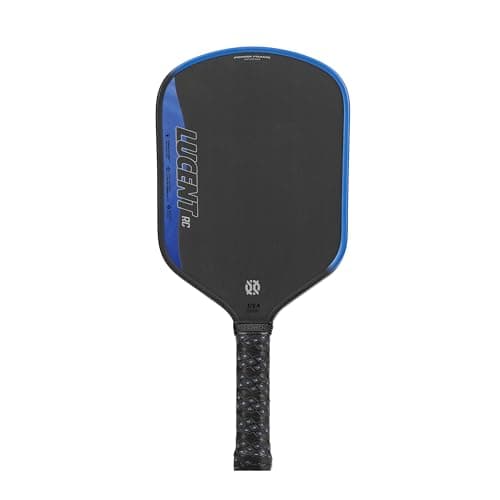 Onix Lucent Raw Carbon An elongated raw carbon paddle with a tennis-style grip, USAPA approved, from a mainstream name. | A player who wants the Hyperion's shape and carbon face from a brand they recognise, for less | $100.50 · View on Amazon $119.99 save 16% |
| 2 | 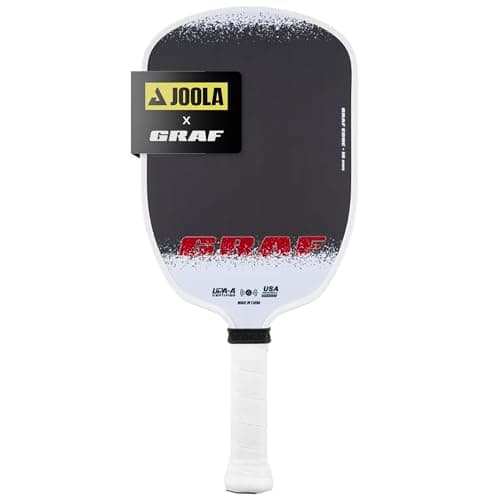 JOOLA GRAF Edge 16mm The cheapest paddle here that does the job - same brand, same 16mm core, current UPA-A certification. | Anyone who wants the brand and a published 16mm core for a fraction of the price | $42.46 · View on Amazon $49.95 save 15% |
| 3 | 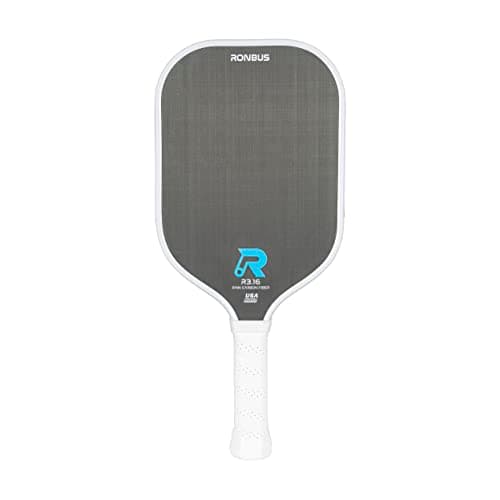 Ronbus R3.16 Raw Toray T700 Carbon Fiber 16mm A raw Toray T700 carbon face over a published 16mm polypropylene honeycomb core. | A player who buys on published materials rather than on a name | $79.99 · View on Amazon $99.99 save 20% |
| 4 | 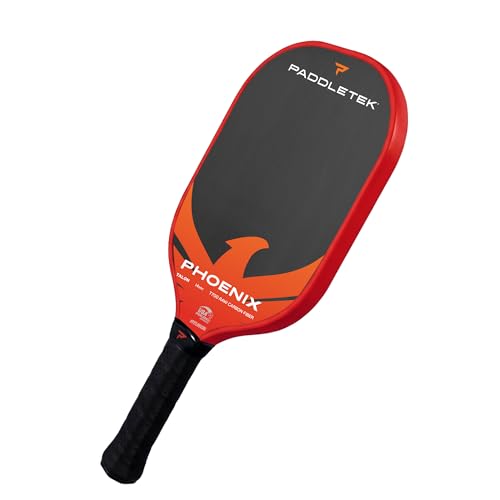 Paddletek Phoenix Talon 14mm The only pick here that publishes a handle length - 5.25 inches - with a raw carbon face. | A two-handed backhand player replacing the Hyperion's Sure-Grip handle | |
| 5 | 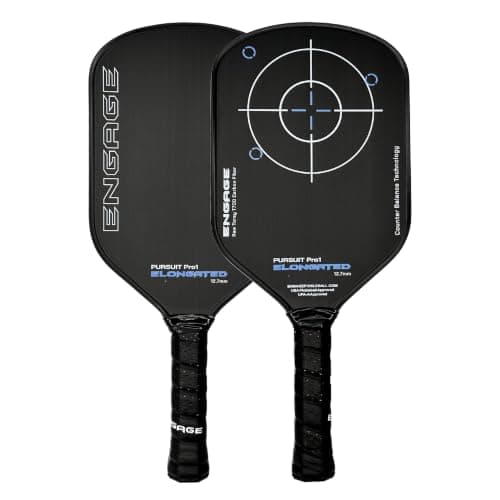 Engage Pursuit Pro1 Elongated 15.2mm An elongated raw carbon paddle, USA Pickleball approved, with an edge barrier built to damp vibration. | A player who wants the shape and the face with vibration damping added | $103.99 · View on Amazon $129.99 save 20% |
| 6 | 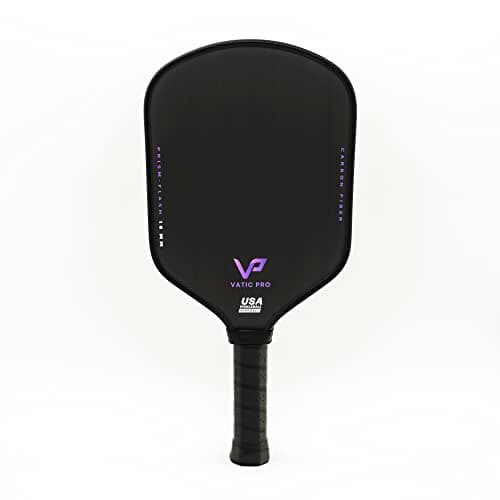 Vatic Pro Prism Flash Carbon Fiber 16mm A 16mm carbon paddle with foam-injected walls and a cover included, well under Hyperion money. | An improving player who wants a 16mm carbon paddle at a sensible price | $79.99 · View on Amazon $99.99 save 20% |
| 7 | 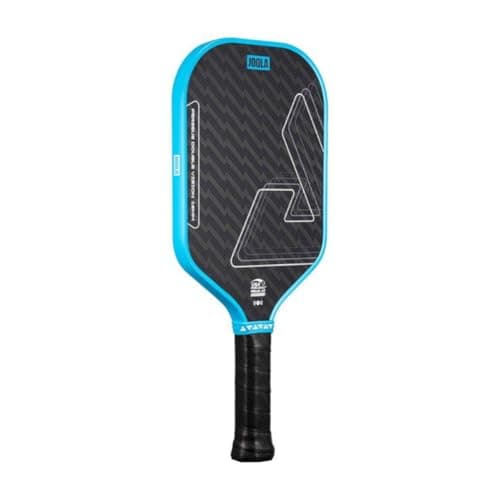 JOOLA Perseus Double Vision 16mm The signature shape and a 16mm core with an aramid face JOOLA publishes as a softer, more responsive touch. | Someone who wants a current JOOLA flagship rather than a replacement for one | |
| 8 | 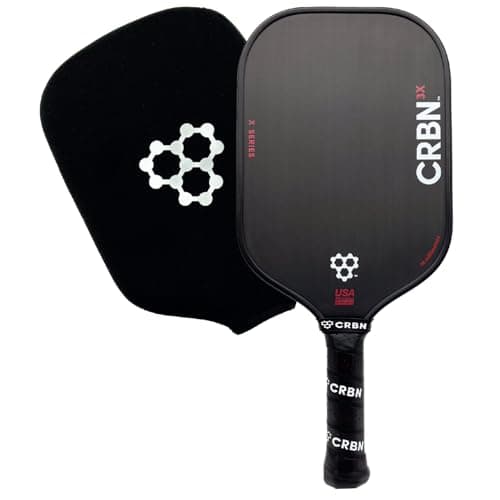 CRBN X Series Power 14mm Carbon Fiber A 14mm carbon paddle from a competition-only brand, above Hyperion money. | A player who found the Hyperion too damped and wants the opposite trade |
The picks in detail
Onix Lucent Raw Carbon
Best for: A player who wants the Hyperion's shape and carbon face from a brand they recognise, for less
This is the closest all-round substitute and it matches the Hyperion on both of the specifications that define how it plays. The listing publishes an elongated shape, a Hexcell core, a carbon fiber face, a tennis-style pickleball paddle grip and USAPA approval. Against the Hyperion's published elongated outline and Carbon Abrasion Surface, that is a like-for-like on geometry and face family from one of the handful of brands a non-player recognises on a shelf - at meaningfully less money. The tennis-style handle is a real differentiator for the buyer this shape suits most often, which is someone arriving from tennis: a familiar handle under a familiar lever is an easier transition.
Skip it if: Skip it if you are comparing specification sheets closely - "Hexcell core" is a brand name rather than a published thickness, and the Ronbus and Paddletek picks below publish more for similar money. Skip it too if the recipient asked for a JOOLA by name; the GRAF Edge and Double Vision below are the in-family answers.
JOOLA GRAF Edge 16mm
Best for: Anyone who wants the brand and a published 16mm core for a fraction of the price
This is the budget pick and it stays inside the family, which makes the comparison unusually clean. The listing publishes a 16mm core, a carbon fiber face for spin and control, an Agassi shape, UPA-A certification and USAP approval. Against the Hyperion you keep the brand, the core thickness and a carbon face - and you actually gain the current UPA-A certification, which the Hyperion listing does not publish. What you give up is the elongated outline and the signature. At a fraction of the price that is a defensible trade for a player who is improving rather than competing, and it is the right answer when someone wants a JOOLA and the flagship budget is not there.
Skip it if: Skip it if the shape is the point - the Agassi outline is not elongated, and a player who wants reach will not find it here. Skip it too if they already own a sub-$60 carbon paddle; that is a sideways move, and the money does more good on shoes, balls or a bag.
Ronbus R3.16 Raw Toray T700 Carbon Fiber 16mm
Best for: A player who buys on published materials rather than on a name
This is the specification-first match and it lines up with the Hyperion on both published core figures. The listing publishes a raw Toray T700 carbon fiber face over a 16mm polypropylene honeycomb core, in the R1.16 / R2.16 / R3.16 family - the same core thickness and the same core material the Hyperion publishes, with the carbon fabric named explicitly, which most listings in this band do not do. Toray T700 is a real material designation rather than marketing language, and "raw" means an unpainted face, which is what gives these paddles their bite on the ball. Ronbus prices without an endorsement, so more of the money goes into materials.
Skip it if: Skip it as a surprise gift unless you know they shop on specification - there is no name here a non-player recognises, which is the opposite of what a Ben Johns paddle brings. Skip it too if you cannot confirm which model is being sent; the three in the family share one listing and are different shapes.
Paddletek Phoenix Talon 14mm
Best for: A two-handed backhand player replacing the Hyperion's Sure-Grip handle
Buy this one if the handle is the reason the Hyperion was on your list. The listing publishes a Phoenix Talon at 14mm with a raw carbon fiber face, balanced control and spin, a polypropylene honeycomb core, USAPA approval and a 5.25 inch handle. That published handle figure is the thing almost no other listing in this band gives you, and it is the single specification a two-handed backhand player cannot guess at. Paddletek is a long-established American paddle brand rather than a direct-to-consumer newcomer, which matters for warranty and availability. The trade is core thickness: 14mm rather than 16mm.
Skip it if: Skip it if forgiveness matters more than pace - JOOLA's own guide describes thinner cores as the ones that deliver pop and thicker cores as the control choice, so 14mm is a step away from the Hyperion's character. Skip it too if you want an elongated outline specifically; this listing publishes the handle, not the shape.
Price as of November 22, 2026. #ad · how this works
Engage Pursuit Pro1 Elongated 15.2mm
Best for: A player who wants the shape and the face with vibration damping added
This is the pick when the shape and the surface are both non-negotiable. The listing publishes an elongated shape at 15.2mm, a raw carbon fiber face, SpinCore technology, a Vortex Barrier edge built to limit vibration, and USA Pickleball approval. Against the Hyperion's published elongated outline and carbon abrasion surface, that is a like-for-like on geometry and face construction - and the edge barrier is a genuine addition rather than a restatement, because a narrow head sends more buzz into the arm on an off-centre hit and damping at the perimeter is the direct answer to that. The core sits between the Hyperion's 16mm and the 14mm picks here.
Skip it if: Skip it if the budget was the reason you opened this page - this sits close to Hyperion money rather than below it. Skip it too if a two-handed backhand is central; this listing does not publish a handle length and the Paddletek pick does.
Vatic Pro Prism Flash Carbon Fiber 16mm
Best for: An improving player who wants a 16mm carbon paddle at a sensible price
This is the sensible middle of the page. The listing publishes a Prism Flash carbon fiber paddle at 16mm with foam-injected walls and an included paddle cover. It matches the Hyperion on published core thickness and face family at substantially less money, and the foam-injected walls are the direction the top of the market has moved - perimeter foam is what the newest flagships are built around. The included cover is the practical detail flagship listings leave out, and it is worth a few dollars on its own. Vatic Pro is a direct-to-consumer brand, so the price reflects materials rather than an endorsement.
Skip it if: Skip it if the recipient follows the sport and cares about the badge - Vatic Pro is a known name to people who read paddle releases and to nobody else. Skip it too if you want an elongated outline; this listing publishes the thickness and the construction, not the shape.
JOOLA Perseus Double Vision 16mm
Best for: Someone who wants a current JOOLA flagship rather than a replacement for one
This is on the page because for a lot of people searching for a Hyperion alternative, the honest answer is a different JOOLA. The listing publishes JOOLA's signature paddle shape, a 16mm core, an aramid surface the brand describes as giving a softer responsive touch, SK Film for reduced vibration, USAP approval and an NFC chip. You keep the brand, the signature-line shape family and the core thickness, and you move from the Hyperion's grit-and-spin positioning to a face built around feel. For a control player that is not a downgrade - it is a different paddle for a different game, and it is the current line rather than the previous one.
Skip it if: Skip it if spin is the whole point - the Hyperion's carbon abrasion surface is a grit story and an aramid face is not, so buying this for a heavy topspin player gets it wrong. Skip it too if you want UPA-A certification; this listing publishes USAP approval and the GRAF Edge publishes the newer certification.
Price as of November 22, 2026. #ad · how this works
CRBN X Series Power 14mm Carbon Fiber
Best for: A player who found the Hyperion too damped and wants the opposite trade
Buy this one if the complaint about the Hyperion is that it is too controlled. The listing publishes a CRBN X Series Power carbon fiber paddle at 14mm. The thickness is the whole argument and it is the specification that genuinely separates it: JOOLA's own paddle guide describes 16mm as the control-and-stability choice and thinner cores as the ones that deliver pop, so a 14mm core from a brand whose entire catalogue is competition paddles is a deliberate step toward pace. It costs more than the Hyperion, which makes this an upgrade rather than an alternative in the money sense - and for some players that is exactly what they meant.
Skip it if: Skip it for anyone whose balls already sail long - a thinner core makes that worse, and the Double Vision above is the fix. Skip it too if you need a published shape; this listing names the series and the thickness and leaves the outline out.
Price as of November 22, 2026. #ad · how this works
Frequently asked questions
What is the JOOLA Hyperion CAS 16 built for?
Spin and reach. The listing publishes a Carbon Abrasion Surface with high grit and spin, a Sure-Grip elongated handle, a 16mm polypropylene honeycomb core and USAPA approval, under the Ben Johns name. The gritty carbon face is the spin story, the elongated outline is the reach story, and the 16mm core is what keeps a narrow paddle playable. It is the previous generation of JOOLA's Ben Johns line - the Perseus Pro IV is the current flagship. Our full review lays out every figure JOOLA publishes about it.
What is the closest alternative to the Hyperion?
The Onix Lucent Raw Carbon, on published specifications. It matches the elongated shape and the carbon fiber face, carries USAPA approval, and comes from a mainstream brand at less money. If you buy on materials rather than names, the Ronbus raw Toray T700 paddle is the tighter match - it publishes the same 16mm polypropylene honeycomb core the Hyperion does and names its carbon fabric. Whether either feels the same is not something this page can tell you, because nobody here has hit with any of them.
Is there a cheaper JOOLA that plays like the Hyperion?
Not exactly, and it is worth being precise. The GRAF Edge 16mm keeps the brand, the 16mm core and a carbon face for a fraction of the price, and it publishes the newer UPA-A certification - but its Agassi shape is not elongated, so the reach is gone. The Perseus Double Vision keeps the signature shape and the 16mm core but swaps the gritty carbon face for aramid, which JOOLA describes as a softer, more responsive touch. Each keeps part of what the Hyperion is; neither keeps all of it.
Will an alternative work with a two-handed backhand?
Check the handle length first and treat everything else as secondary. The Hyperion publishes a Sure-Grip elongated handle, which is what makes room for a second hand, and a player who has adapted to it notices a shorter one immediately. Handle length is published inconsistently across these alternatives - the Paddletek Phoenix Talon publishes 5.25 inches and most of the others publish nothing at all. If the two-handed backhand is the reason the Hyperion was on your list, buy from a listing that gives you the dimension.
Do I need an elongated paddle?
Only if you want reach and leverage more than forgiveness. Selkirk's shape guide frames the trade exactly: standard and widebody outlines spread the hitting area, elongated outlines trade sweet-spot width for reach - and USA Pickleball's 17-inch length and 24-inch combined limits are what make the trade unavoidable. Tennis converts, singles players and anyone who wins points by driving the third ball get the most from it. A doubles player who mis-hits regularly will play better with a wide face at any price.
Does core thickness matter when comparing these?
It is the single most useful number on any of these listings. JOOLA's own paddle guide describes a 16mm core as the control-and-stability choice and thinner cores as the ones that deliver pop. The Hyperion publishes 16mm, so a 14mm alternative is a deliberate move toward pace and away from forgiveness - fine if that is what you want, a mismatch if you expected the same paddle for less. Every pick on this page states the thickness its own listing publishes, and two of them are thinner.
How were these picked, and have you played with them?
No. Nobody at Popaddle has hit with the Hyperion or with any paddle on this page, there is no testing program behind Popaddle, and no rating, weight, spin figure or durability comparison here is ours. Every specification on both sides of every comparison is repeated from the manufacturer's own published listing, with the thickness, shape and legality context sourced to JOOLA, Selkirk and USA Pickleball at the foot of the page. The shortlist is the paddles in this site's registry carrying a live price that match a published Hyperion specification or undercut it on price.
Keep exploring
Every figure JOOLA publishes on the paddle this page is about.
Best JOOLA pickleball paddlesIf you want to stay in the family - which JOOLA to buy.
JOOLA Perseus alternativesThe same exercise for the current Ben Johns flagship.
Best elongated pickleball paddlesEvery elongated paddle we carry, sorted by who it suits.
Best 16mm pickleball paddlesThe core thickness the Hyperion publishes, across every brand.
Best pickleball paddles for spinIf the gritty surface is what you are really shopping for.
Best pickleball paddles under $150The band the Hyperion and most of these alternatives share.
Sources
- JOOLA — Official Paddle Guide (core thickness: 16mm for control and stability, thinner cores for pop)
- Selkirk Sport — the ultimate guide to pickleball paddle shapes (standard/widebody shapes spread the hitting area; elongated shapes trade sweet-spot width for reach)
- Selkirk Sport — how to know your pickleball grip size (measure from the middle crease of the palm to the tip of the ring finger; when between sizes, go smaller and build up with an overgrip)
- USA Pickleball — Official Rulebook, Section 2 (2.E.3 paddle size: 24 in combined length and width, 17 in maximum length; 2.E.4 no weight restriction; no grip-size restriction)
- USA Pickleball — Approved equipment database (which paddles are approved for sanctioned play)
Browse another way