Guide
Pickleball Paddle Brands, Ranked
A tier list of who makes pickleball paddles worth buying — including an honest read on the direct-to-consumer brands that undercut everybody.
By Stephen V. · Updated September 2026 · How we pick
How this tier list works
Ranking brands is only useful if you say what you are ranking them on, so here are the criteria, in order of weight. First, does the brand actually build paddles, with its own construction and its own engineering, rather than putting a logo on a generic factory shell? Second, what does the money buy — how much genuine construction (thermoforming, foam, raw carbon, named core materials) you get per dollar. Third, presence in real play: whether you would see the brand on a court at a decent club, which matters both for resale and for how a gift lands. Fourth, how easy it is to buy and return, which is where the direct-to-consumer brands get interesting. And fifth, certification— whether the models are listed in USA Pickleball's approved equipment database.
What this list is not: a lab test. Nobody on this site has hit with every paddle from every brand, there are no invented scores here, and any site claiming to have tested forty paddles this year is asking you to take a lot on trust. What follows is a structural read on the category — who occupies which position, what you are paying for at each tier, and where the honest bargains and honest traps are. For a plain description of what individual brands are known for across shoes and balls as well as paddles, the pickleball brands cheat sheet covers that ground and does not rank anything.
Tier 1 — the tour brands
These are the brands that sponsor professional players, run their own engineering, and set the ceiling for what a pickleball paddle costs. JOOLAis the most visible of them: a table-tennis manufacturer that moved into pickleball and now puts its name alongside the sport's most decorated players — its Hyperion line is sold as the Ben Johns signature paddle, and its listings routinely name specific technologies such as the Carbon Abrasion Surface and the SK Film vibration layer rather than waving at "carbon." Selkirk is the best-known dedicated American pickleball brand, and it is unusual in this tier for having a genuinely approachable sub-range: the SLK line puts a Tier 1 name on a paddle a club player can buy without flinching, while the LUXX and Amped lines sit at the top.
CRBN is a pickleball-only company that built its reputation on raw carbon faces and now sells foam-core paddles at the premium end. Paddletek is one of the older American paddle makers, with the long-running Bantam line and, more recently, multi-foam cores under raw carbon. Engage has been in the sport since well before the boom and tends to be specific about its own core and edge technologies on the box. Gearbox takes a different structural approach again, building around a solid carbon construction rather than the honeycomb core almost everyone else uses.
What Tier 1 buys you: real engineering, consistent quality control, a paddle a club will recognize, and — genuinely useful if the recipient competes — models that are reliably listed in the USA Pickleball approved database. What it costs you: a premium of roughly a third to a half over an equivalently built direct-to-consumer paddle, because sponsorship, distribution and retail margin are all inside that price.
Tier 2 — the direct-to-consumer challengers
This is the most interesting tier and the one most gift buyers have never heard of. Six Zero, Vatic Pro and Ronbussell primarily through their own storefronts rather than through pro shops and big-box retail, and the saving shows up in the price rather than in the paddle. The specification sheets read like Tier 1: Six Zero's Double Black Diamond is a thermoformed Toray T700 raw carbon paddle, Ronbus lists raw Toray T700 over a 16mm polypropylene honeycomb core, and Vatic Pro's Prism and V-Sol lines are foam-injected 16mm builds that ship with a cover. Players who research their own next paddle recommend all three constantly, which is exactly how brands with no advertising budget grow.
Now the honest part, because "same paddle for less" is only half the story. Buying direct means buying from a smaller company: stock runs out and stays out longer, a warranty claim goes to one team rather than to a retailer with a returns desk, and if a model is discontinued there is no shelf somewhere still holding one. Resale is thinner too — a used Selkirk moves faster than a used Ronbus. And as a gift, a Tier 2 paddle carries a specific risk that has nothing to do with quality: the recipient may simply not recognize the name, and the "you clearly know what you're doing" effect you were buying evaporates. Several of these brands now list on Amazon as well as direct, which softens the returns problem considerably and is the route we link to throughout this site.
Buy Tier 2 when: the player picked the paddle themselves, or you know they research gear. Buy Tier 1 instead when: it is a surprise, and the name on the paddle is doing part of the work.
Tier 3 — the mainstream sporting-goods names
Franklin, ONIX, Wilson and HEAD are the brands you will find without looking for them — in a sporting-goods aisle, in a big-box store, on the first page of any marketplace search. Franklin is especially well established on the ball side and has moved upmarket on paddles with its Signature Carbon line. ONIX has a long-running Evoke family that shows up in club bags constantly. Wilson and HEAD arrive with decades of racquet-sport credibility and instant name recognition, which is worth something real when you are buying for someone else.
The trade-off is consistent across the tier: you are paying partly for the distribution that makes them easy to find, so a Tier 3 paddle at a given price usually has slightly less construction in it than a Tier 2 paddle at the same price. That is not a scandal — it is what convenience costs — and for a huge number of players it is a completely rational trade. If the recipient is a casual weekend player who will never compare spec sheets, a recognizable Tier 3 paddle is a perfectly good gift and an easy one to return.
Tier 4 — marketplace no-names
The bottom tier is the wall of paddles sold under brand names nobody has heard of, often with several near-identical listings under different names because they come from the same factory. They are not a scam and they are not dangerous. Many are honestly described, plenty carry legitimate USA Pickleball approval, and a two-paddle set from this tier is genuinely the right purchase when you need something for guests, for a driveway, or for someone who is not yet sure they like the sport.
What you should not expect is consistency. Construction changes between production runs without the listing changing, the "carbon fiber" face is often a thin painted layer rather than the raw weave that actually generates grip, and quality control is a lottery. The practical rule: Tier 4 is fine for a starter set, poor value for anyone playing weekly. If the person you are buying for has played more than a season, skip this tier entirely and buy the cheapest Tier 1 or Tier 2 paddle you can instead — the spin roundup has a real tour-brand paddle at close to starter-set money.
The one check that matters more than the brand
If there is any chance the recipient will play in a sanctioned tournament or a league that follows USA Pickleball rules, the brand matters less than whether the specific model is certified. USA Pickleball maintains an approved equipment database of certified paddles and balls, and its own guidance is that "players can visit the USA Pickleball website for an up-to-date database of current approved equipment." Approval is model-specific, not brand-specific — a Tier 1 brand can sell an uncertified recreational paddle, and a Tier 2 brand's flagship is usually certified.
It is also worth knowing that certification is a moving target right now. USA Pickleball has published a spin rate test with a stated maximum of 2,100 RPM, and has said that beginning October 1, 2026, all paddles submitted for certification must measure at or below that figure to be approved. Paddles already approved are not swept up by that date, but it does mean a paddle marketed hard on spin today may not represent what gets certified tomorrow. The spin paddle roundup covers what that change means in practice.
So which tier should you actually buy?
For a first paddle or a shared set, buy Tier 3 or a Tier 4 set and spend the difference on balls and a bag. For a player who has been at it a season or more, Tier 2 is the value sweet spot and Tier 1 is the safe surprise. For a competitive player, do not guess at all — they have opinions about weight, shape and handle length that no tier list can predict, and a gift card plus a bag beats the wrong paddle every time.
The picks below are one representative paddle per tier, all verified as purchasable with live prices. If you would rather shop by what the paddle is for than by who made it, the carbon fiber roundup, spin roundup and tennis-elbow roundup each sort the same brands by purpose instead.
The gear this guide points to
Disclosure: Popaddle earns a commission on qualifying purchases made through the links on this page, at no extra cost to you. Prices are pulled live and can change. How this works.
| # | Product | Best for | Price |
|---|---|---|---|
| 1 | 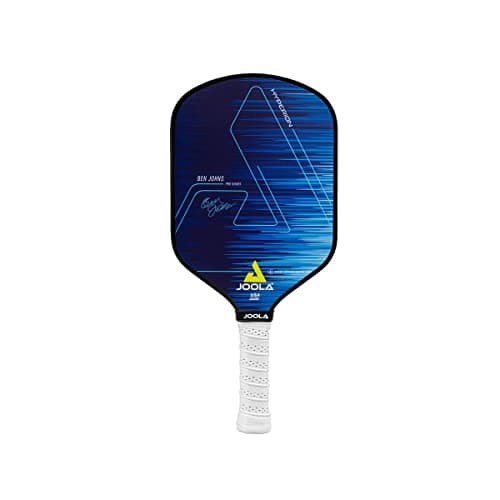 JOOLA Ben Johns Hyperion CAS 16 The signature line from the most visible brand in professional pickleball. | The safest tour-brand paddle to hand someone | |
| 2 | 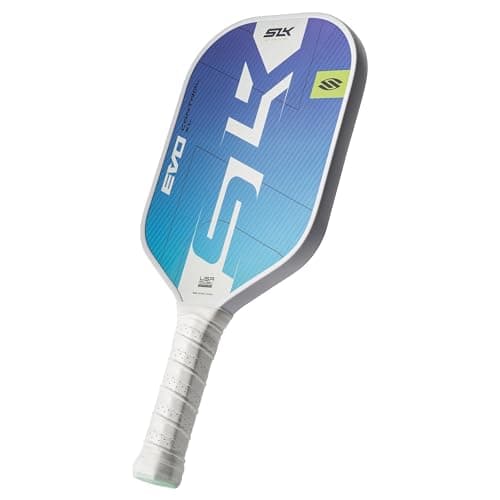 Selkirk SLK Evo Control XL Carbon Fiber The approachable half of Selkirk's range — a real brand paddle at mainstream prices. | A Tier 1 name without Tier 1 money | |
| 3 | 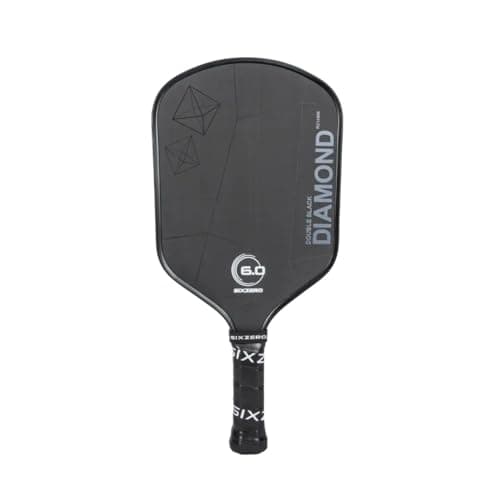 Six Zero Double Black Diamond Control 16mm The direct-to-consumer paddle that put its brand on the map, with a tour-level spec sheet. | A researcher who already knows what they want | |
| 4 | 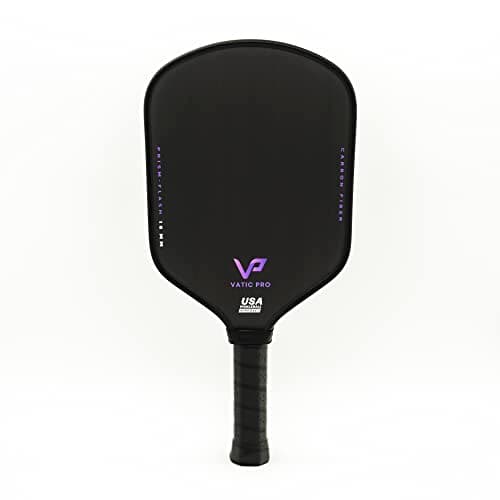 Vatic Pro Prism Flash Carbon Fiber 16mm A foam-injected 16mm carbon paddle with a cult following and no marketing budget. | The most construction per dollar on this page | |
| 5 | 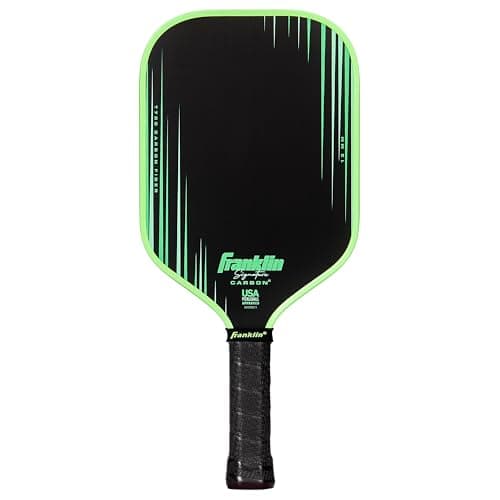 Franklin Sports Signature Carbon 13mm Elongated A mainstream sporting-goods brand's serious paddle, in a 13mm elongated build. | A recognizable name you can buy and return anywhere | |
| 6 | 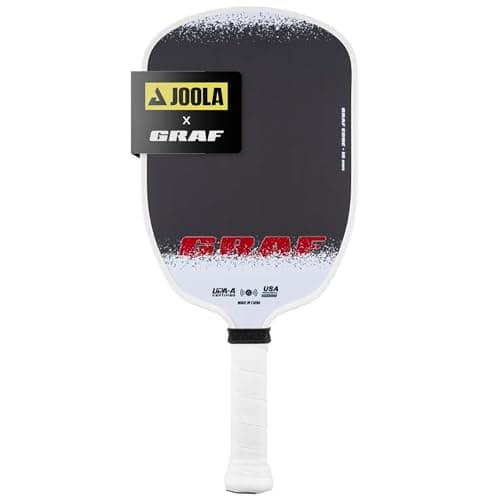 JOOLA GRAF Edge 16mm A tour brand's entry paddle, priced close to a marketplace no-name. | Skipping Tier 4 entirely without spending much |
JOOLA Ben Johns Hyperion CAS 16
Best for: The safest tour-brand paddle to hand someone
If you want one Tier 1 paddle that a recipient will recognize instantly, this is it. The listing describes a Carbon Abrasion Surface with high grit and spin, a 16mm polypropylene honeycomb core, a Sure-Grip elongated handle and USAPA approval — a proper tour-level specification rather than a badge on a generic shell. JOOLA's visibility in professional play is the thing you are partly paying for here, and for a gift that visibility is doing real work: it removes any doubt in the recipient's mind about whether you bought something serious. It is also widely enough sold that returns and replacements are straightforward, which is not true everywhere in this category.
Skip it if: Skip it for a beginner. This is an elongated, high-grit tour paddle and it will make the soft game harder to learn than a friendlier standard shape would.
Price as of October 25, 2026. #ad · how this works
Selkirk SLK Evo Control XL Carbon Fiber
Best for: A Tier 1 name without Tier 1 money
Selkirk's SLK line exists precisely for this situation, and it is the reason Selkirk sits awkwardly across two tiers: the same company that sells premium LUXX paddles also sells this. The listing is a carbon fiber Evo Control in the XL shape, and control models are built around a softer, more damped feel rather than raw pop — a friendlier characteristic for a club player than a tour paddle's liveliness. What you get for the money is a recognizable American pickleball brand on a paddle that costs less than most Tier 2 flagships, which makes it the single easiest recommendation on this page for a gift buyer who does not want to think about tiers at all.
Skip it if: Skip it if the recipient already plays with a good 16mm paddle — it is a sideways move for them, and a Tier 2 flagship would be a genuine upgrade for similar money.
Price as of October 25, 2026. #ad · how this works
Six Zero Double Black Diamond Control 16mm
Best for: A researcher who already knows what they want
The Double Black Diamond is the clearest illustration of what Tier 2 is: Six Zero publishes a 16mm premium honeycomb polymer core under a Toray T700 raw carbon face, thermoformed so the face and edge technology run the length of the handle as a single fused piece, with an elongated tapered handle and a neoprene cover included. That is a specification you would expect from the top of Tier 1, from a brand that grew largely by word of mouth among players who compare spec sheets. Buy it for the person who already knows the name, because that recognition is the whole difference between this landing as an insider gift and landing as a paddle they have never heard of.
Skip it if: Skip it as a blind gift for a casual player — it is the most expensive paddle on this page and its control-first character is wasted on someone who plays a few times a season.
Vatic Pro Prism Flash Carbon Fiber 16mm
Best for: The most construction per dollar on this page
Vatic Pro is the brand players quietly recommend to each other when someone asks what to buy without overspending, and the Prism Flash is the model that earned that reputation. The listing states a 16mm carbon fiber build with foam-injected walls and an included paddle cover — foam in the perimeter is the modern answer to harsh-feeling thermoformed paddles, and it keeps off-center hits playable rather than jarring. At its price that is a genuinely aggressive specification, which is exactly the Tier 2 proposition: the same ingredients as a pricier paddle, without the sponsorship overhead in the price.
Skip it if: Skip it if brand recognition is part of the gift — Vatic Pro means a lot to people who research paddles and nothing at all to everyone else.
Price as of October 25, 2026. #ad · how this works
Franklin Sports Signature Carbon 13mm Elongated
Best for: A recognizable name you can buy and return anywhere
Franklin is one of the most familiar names in pickleball, especially on the ball side, and the Signature Carbon is its move upmarket on paddles. The listing specifies a 13mm core in an elongated shape with a carbon face — a thinner core, so this leans poppier and more powerful than the 16mm control paddles above it. For a gift buyer the appeal of Tier 3 is practical rather than technical: it is stocked everywhere, easy to return, and the name reassures a recipient who does not follow the sport closely. That combination is worth real money when you are buying for someone whose preferences you cannot ask about.
Skip it if: Skip it if the recipient prefers a soft, controlled feel — a 13mm core is on the livelier side, and a 16mm control paddle from earlier on this page suits them better.
Price as of October 25, 2026. #ad · how this works
JOOLA GRAF Edge 16mm
Best for: Skipping Tier 4 entirely without spending much
This is the pick that makes the Tier 4 warning actionable. The listing describes a 16mm carbon fiber paddle built for increased spin and control in JOOLA's Agassi shape, UPA-A certified and USAP approved — a genuine, tournament-legal, brand-name paddle at roughly the price of an unbranded marketplace pair. If someone has outgrown their starter set and you do not want to spend meaningfully, this is the honest recommendation: a real brand's entry model beats an unknown brand's flagship, because at least you know what you are getting and it will be the same paddle next production run.
Skip it if: Skip it for a player who is already several seasons in on a decent paddle — this is a first step up, not an upgrade for them.
Price as of October 25, 2026. #ad · how this works
Frequently asked questions
What is the best pickleball paddle brand?
There is no single answer, which is why this page ranks tiers rather than crowning a winner. For a surprise gift, a Tier 1 brand like JOOLA or Selkirk is the safest because the name does part of the work. For the most paddle per dollar, a Tier 2 direct-to-consumer brand like Six Zero, Vatic Pro or Ronbus wins on specification. For convenience and easy returns, Tier 3 names like Franklin and ONIX are everywhere.
Are direct-to-consumer paddle brands actually as good?
On specification, frequently yes — the raw carbon faces, thermoformed builds and foam cores are the same ingredients the tour brands use, sold without retail margin. What you give up is scale: thinner stock, a smaller warranty operation, weaker resale, and a name the recipient may not recognize. Several now sell on Amazon as well as direct, which removes most of the returns concern.
Does the brand matter if the paddle is USA Pickleball approved?
Approval is a floor, not a ranking. It tells you the model meets the equipment standards for sanctioned play, and nothing about how it feels or how long it lasts. Approval is also model-specific rather than brand-specific, so a big brand can sell an uncertified recreational paddle and a small brand's flagship is usually certified. Check the model in the approved equipment database if competition is even a possibility.
Why are some paddles $50 and others $250?
Mostly construction, and partly marketing. The cheap end is a painted composite face on a honeycomb core, assembled generically. The expensive end is a raw carbon face, thermoformed as one piece, often with foam filling the perimeter, on a core the manufacturer engineered. Somewhere in that price is also the sponsorship and distribution budget, which is exactly the part the direct-to-consumer brands cut out.
Is an unbranded marketplace paddle ever the right buy?
Yes — for a starter set, for spare paddles for guests, or for someone who has not decided whether they like the sport. In those situations the money is better spent on quantity than on construction. It stops being the right buy the moment someone plays weekly, because the face wears, the quality varies between production runs, and the paddle stops keeping up with them.
Should I buy a paddle for a serious player at all?
Usually not as a surprise. Committed players are specific about weight, shape, handle length and grip circumference in the way a golfer is about clubs, and a paddle that is a touch off gets quietly retired to the spare slot in the bag. Gift around the paddle instead — a bag, shoes, a set of grips — or hand over something they can choose with.
Keep exploring
The Z5, the Evoke and the Lucent, model by model.
Best Selkirk pickleball paddlesThe SLK line against the Selkirk line, model by model.
Pickleball brands, explainedThe unranked cheat sheet, covering shoes and balls as well as paddles.
Best carbon fiber pickleball paddlesThe same brands sorted by what the paddle is for.
Six Zero Double Black Diamond reviewA close look at the Tier 2 flagship on this page.
Best pickleball paddles for spinRaw carbon faces, and the 2026 spin-rate rule change.
How to choose a paddle as a giftThe no-jargon version, if the tier list is more than you needed.
Best JOOLA paddlesWhich JOOLA to buy, model by model.
JOOLA Hyperion CAS 16 reviewA close look at JOOLA's signature elongated paddle.
Sources
Browse another way