Best Gear
The Best Pickleball Paddles for Beginners Moving to Intermediate
The second paddle is a harder buy than the first. Here is what the mid-range bracket actually gets you, what it does not, and which paddle to pick when someone has outgrown a starter set.
By Stephen V. · Updated October 2026 · How we pick
If you want the one-line answer, buy the Selkirk SLK Evo Control XL. It is a thermoformed, carbon-faced widebody in the middle of the market, it asks you to guess almost nothing about the player, and it is the paddle in this bracket that suits the most people. If you want the same brief for less money, the JOOLA GRAF Edge is a carbon-faced 16mm paddle at roughly half the outlay. If the player has specifically asked for reach and spin, skip to the Franklin Signature Carbon or the Ronbus further down.
Now the part that matters, because the second paddle is a genuinely harder purchase than the first one. A beginner's paddle only has to be forgiving. A step-up paddle has to be forgiving AND it has to not undo the habits the player has just built - which is why buying up the price ladder on instinct is the single most common way this purchase goes wrong. The mid-range bracket is full of paddles designed for people who already generate their own power and spin, and handing one of those to a player who is still learning to find the middle of the face makes them worse, not better.
Who this page is for, in the sport's own vocabulary. USA Pickleball publishes skill-level definitions and the relevant rungs are 3.0, which it calls Advanced Beginner, and 3.5, which it calls Intermediate - with the explicit caveat that "these definitions aren't official ratings." The player this page is written for sits between those two: they can keep a rally going, they are starting to think about placement rather than just contact, and the paddle that came in their starter set has become the limiting factor. That is a real moment and it usually arrives somewhere between three and twelve months in.
What the mid-range bracket actually buys you, stated plainly, because the marketing will not. Three things change for real money. The face material gets better - a raw or textured carbon face grips the ball, which is what lets a player put spin on it deliberately instead of accidentally. The build gets tighter - thermoformed and foam-injected construction makes the whole paddle one piece, which stiffens it and widens the part of the face that behaves predictably. And the core gets more consistent, so the paddle responds the same way on the hundredth shot as the first. What it does NOT buy you is skill, a bigger sweet spot than physics allows, or any of the "power" the listings promise.
Core thickness is the one specification to get right, and the guidance is counter-intuitive. JOOLA's own paddle guide describes a 16mm core as the control-and-stability option and thinner cores as the ones that give more pop - so the thick core, which sounds like the beginner's choice, is the right choice for a player still building consistency. A thicker core dampens the ball and widens the usable part of the face. A thinner one fires it back faster and punishes contact away from the middle. Five of the seven picks below are 16mm or close to it, and that is deliberate.
Shape is the second specification, and it is where most upgrade buyers over-reach. Selkirk's shape guide sets the trade out honestly: a standard or widebody shape spreads the hitting area across a wider face, while an elongated shape concentrates it further from your hand to buy reach. Reach is a real advantage for a player who can already hit the middle of an elongated paddle, and a real handicap for one who cannot. If you are buying for someone else and they have not said the word "elongated" to you, buy a widebody. Two elongated picks are on this page and both are flagged as such.
Grip size is the third, and it is the one that quietly ruins gifts. Selkirk's method is to measure from the middle crease of the palm to the tip of the ring finger; that length in inches is roughly the grip circumference you want. The genuinely useful half of the advice is the tie-breaker: when you fall between two sizes, go smaller, because an overgrip adds thickness and nothing removes it. USA Pickleball sets no grip-size restriction at all, so you are free to build a handle up to taste - which makes the slimmer handle the safer buy every time you are guessing.
What this bracket costs, in brackets rather than numbers, because every figure on this page is pulled live instead of typed. The paddles below start at roughly the price of a decent restaurant dinner and top out around the price of a pair of good court shoes - call it the step above the under-$100 pages this site already publishes and a long way below the tour-level paddles. Mid-range is the part of the market where the engineering has trickled down and the marketing budget has not been added yet, which is exactly why it is the right place to shop for a second paddle. Spending double does not get you double.
One thing worth checking before you buy at this level rather than after. If the player competes in sanctioned events, look the exact model up in USA Pickleball's equipment database, because approval attaches to a specific model and revision rather than to a brand, and it moves - a spin-rate limit of 2,100 RPM took effect on October 1, 2026, and spin-oriented carbon faces are precisely the category that limit addresses. Several picks below state a certification on the listing. Verify it at the source anyway; that is a thirty-second check and it is worth more than any claim in an article.
How these picks were chosen, and what we are not claiming. Every pick is a currently purchasable listing, each one re-verified live on the day this page was published. Nobody on this site has hit with any of them, there is no testing lab behind Popaddle, and there is not one invented rating or score anywhere on this page - every shape, face, core, grip or certification claim below is repeated from the live listing or from the sources at the foot of the page. The order runs from the paddle that suits the most people to the one that suits the fewest, not from cheapest to priciest. Prices move constantly in this bracket, so every number is pulled live and stamped with the date it was checked.
Disclosure: Popaddle earns a commission on qualifying purchases made through the links on this page, at no extra cost to you. Prices are pulled live and can change. How this works.
| # | Product | Best for | Price |
|---|---|---|---|
| 1 | 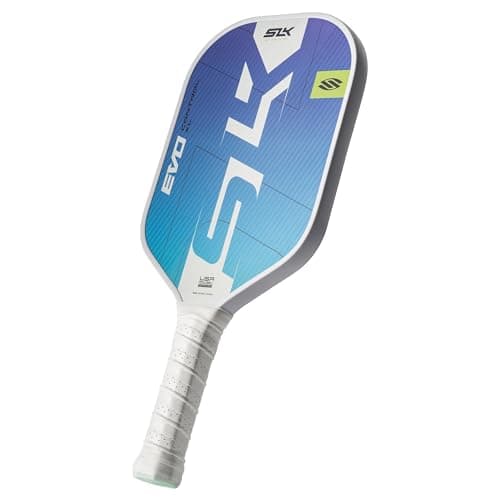 Selkirk SLK Evo Control XL Carbon Fiber A thermoformed, carbon-faced widebody in the middle of the market - the step-up paddle that asks you to guess the least. | The default upgrade when you cannot ask the player what they want | |
| 2 | 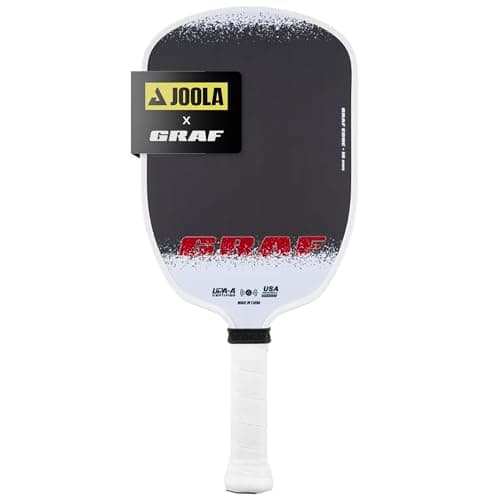 JOOLA GRAF Edge 16mm JOOLA's accessible carbon-faced 16mm paddle, UPA-A certified and USAP approved on the listing. | A step up that costs about half of what the rest of this page does | |
| 3 | 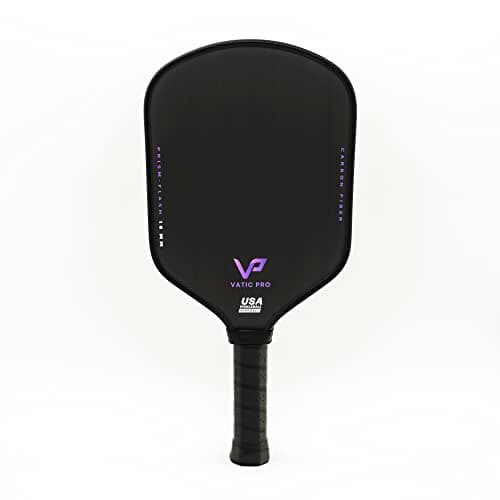 Vatic Pro Prism Flash Carbon Fiber 16mm A 16mm raw TORAY T700 carbon paddle with foam-injected walls and a cover in the box. | A player who wants spin from the face and does not care about brand presence | |
| 4 | 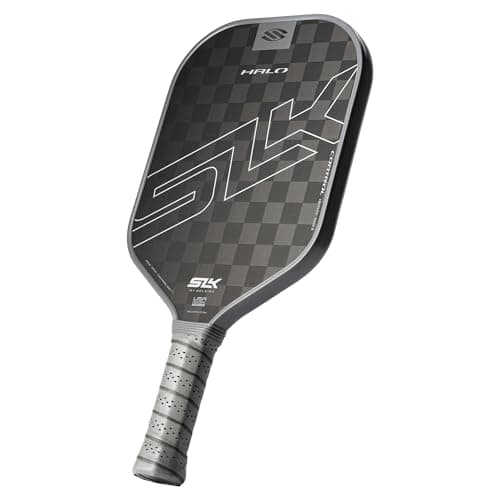 Selkirk Sport SLK Halo Control Max An 18k UltraWeave carbon face on Selkirk's Max widebody shape, listed for a forgiving sweet spot. | A player whose good shots are great and whose mishits sail long | |
| 5 | 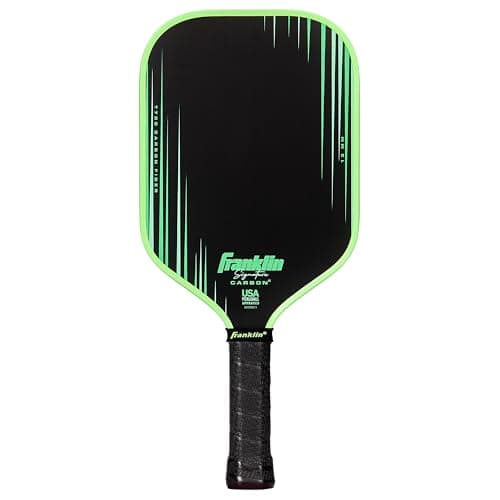 Franklin Sports Signature Carbon 13mm Elongated A 13mm elongated carbon paddle with a textured surface, from a brand with full retail distribution. | A player who has asked for an elongated paddle by name | |
| 6 | 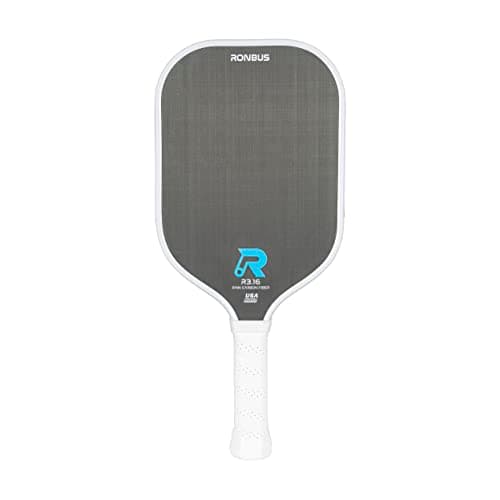 Ronbus R3.16 Raw Toray T700 Carbon Fiber 16mm Raw Toray T700 carbon over a 16mm polypropylene honeycomb core, from a brand built on specification rather than sponsorship. | A player who is going to keep playing and wants the last paddle for a while | |
| 7 | 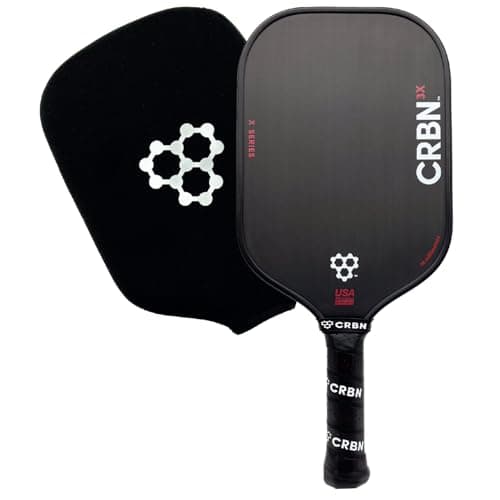 CRBN X Series Power 14mm Carbon Fiber A 14mm carbon paddle with foam-injected edges, listed for an expanded sweet spot. | A player already at 3.5 who wants the paddle they will use at 4.0 |
The picks in detail
Selkirk SLK Evo Control XL Carbon Fiber
Best for: The default upgrade when you cannot ask the player what they want
This is the paddle to buy when someone has outgrown a starter set and you do not have a list of their preferences. The listing specifies a T700 CarbonFusion face and a Rev-Control honeycomb core, thermoformed, with a large sweet spot - and XL sits in Selkirk's widebody group rather than its elongated one, which means a wide face instead of a long narrow head. That geometry is the forgiving one: contact away from the middle still goes roughly where it was aimed, which is exactly the property a 3.0 player should not give up while moving to 3.5. It is also the cheapest paddle in this bracket that gets a real carbon face, a thermoformed build and mainstream retail support in the same box.
Skip it if: Skip it if the player has told you they want reach or plays with two hands on the backhand - a widebody is the wrong shape for both, and the Franklin and Ronbus picks below are built for it. Skip it too if they are genuinely still a beginner rather than between rungs; a starter paddle is the right spend and the money is better going to balls, a bag and a lesson.
Price as of October 25, 2026. #ad · how this works
JOOLA GRAF Edge 16mm
Best for: A step up that costs about half of what the rest of this page does
If the mid-range bracket is more than you wanted to spend, this is the honest place to stop. The listing specifies a carbon fiber face and a 16mm core - the same two headline specifications as paddles at twice the price - plus UPA-A certification, USAP approval and an NFC chip, in what JOOLA positions as its accessible line. The 16mm core is the right number for a player still building consistency, per JOOLA's own guidance that thicker cores favor control and stability. For a recipient who is not yet sure how seriously they will take the sport, this gets them a real brand's carbon paddle without committing the money the picks above do.
Skip it if: Skip it if the player already plays several times a week and generates their own spin - they will feel the ceiling on an entry-line paddle inside a month. Skip it too if you want the thermoformed, foam-walled construction the pricier picks publish; this listing does not claim it, and that is a fair reason to spend more.
Price as of October 25, 2026. #ad · how this works
Vatic Pro Prism Flash Carbon Fiber 16mm
Best for: A player who wants spin from the face and does not care about brand presence
This is the specification-per-dollar pick, and it is the one to buy for a player who has started thinking about spin rather than just contact. The listing specifies raw TORAY T700 carbon fiber, a 16mm core, foam-injected walls and an included paddle cover - raw carbon being the finish that grips the ball rather than the painted or clear-coated faces that do not. Vatic Pro is a direct-to-consumer brand, which is the trade: you get engineering that competes with paddles costing considerably more, and you give up the retail presence, the resale market and the shop you could hold one in. The grip is also listed slimmer than the usual adult standard, which is a genuine advantage for a smaller hand.
Skip it if: Skip it if the player is closer to 2.5 than 3.0 - a raw carbon face rewards clean contact and does nothing for someone who is not making it yet. Skip it too if you are replacing a paddle whose weight they know and like; Vatic Pro does not publish a static weight for this one, and that is the figure you would actually want.
Price as of October 25, 2026. #ad · how this works
Selkirk Sport SLK Halo Control Max
Best for: A player whose good shots are great and whose mishits sail long
Buy this one when the complaint you have actually heard is about consistency rather than power. The listing specifies an 18k UltraWeave face and a forgiving sweet spot, and Max is a widebody shape - the widest-face family Selkirk sells. That combination puts more of the paddle's usable area where the ball is actually landing, which is the single most valuable property for a player in the 3.0-to-3.5 transition, because the thing separating those two rungs is not power. It is how often the ball goes where they meant it to.
Skip it if: Skip it if the Evo Control XL above is in stock for less; the two are close enough in brief that price should break the tie, and this page will show you both live. Skip it too for a player who wants reach - that is the one thing a widebody gives up and no amount of face technology changes it.
Price as of October 25, 2026. #ad · how this works
Franklin Sports Signature Carbon 13mm Elongated
Best for: A player who has asked for an elongated paddle by name
This is the pick for the player who has done their homework and come back wanting reach. The listing specifies a 13mm elongated paddle with a textured surface, extra spin and control, an enhanced sweet spot and a cushion grip - and the elongated shape is the whole point: Selkirk's shape guide describes elongated paddles as trading sweet-spot width for reach, which is a trade worth making only once a player reliably finds the middle. The thinner 13mm core is the other half of the brief. By JOOLA's own framing, a thinner core gives more pop and less damping, so this is a paddle that rewards a developed stroke rather than smoothing out a developing one.
Skip it if: Skip it unless the player specifically wants an elongated paddle - handing one to an improving beginner narrows the sweet spot exactly when they need it widest. Skip it too if they have been playing with a 16mm paddle and like it; the 13mm core is a real change in feel and not an upgrade in any absolute sense.
Price as of October 25, 2026. #ad · how this works
Ronbus R3.16 Raw Toray T700 Carbon Fiber 16mm
Best for: A player who is going to keep playing and wants the last paddle for a while
This is the pick for the player whose trajectory is obvious - they are going to be a 4.0 eventually, and buying twice is the waste. The listing specifies raw Toray T700 carbon fiber over a 16 mm polypropylene honeycomb core in the R3.16 shape, which is the combination most of this market's genuinely good paddles are built on. Ronbus, like Vatic Pro, sells direct and spends nothing on tour endorsements, which is why this specification arrives at a price mainstream brands charge for a step below it. The 16mm core keeps it forgiving enough for a player still improving, and the raw face gives them somewhere to grow into.
Skip it if: Skip it if the player might not stick with the sport - this is real money for a paddle whose advantages only show up with regular play. Skip it too if brand recognition matters for the occasion; a Ronbus is a better paddle than its name recognition, which is wonderful for a player and awkward for a gift that gets unwrapped in front of people.
Price as of October 25, 2026. #ad · how this works
CRBN X Series Power 14mm Carbon Fiber
Best for: A player already at 3.5 who wants the paddle they will use at 4.0
This is the top of the page and the only pick here that is really aimed past the transition rather than at it. The listing specifies a carbon fiber paddle with foam-injected edges for an expanded sweet spot in the X Series Power line at 14mm - a thinner core, which by JOOLA's framing favors pop over damping, with foam at the edges to claw back some of the forgiveness that thinness costs. CRBN is a serious paddle brand with real standing among competitive players, and this is a legitimate paddle to still be using two rating rungs from now. Buy it for someone who has told you they are committed, not to express confidence in someone who has not.
Skip it if: Skip it for anyone below 3.5 outright: a 14mm core and a power brief is the wrong equipment for a player still building consistency, however generous the gesture. Skip it too if they play sanctioned tournaments and you have not checked this exact model in USA Pickleball's equipment database yourself - certification is a thing to verify at the source, especially since the 2,100 RPM spin limit took effect in October 2026.
Price as of October 25, 2026. #ad · how this works
Frequently asked questions
What counts as a mid-range pickleball paddle?
In practice, the bracket above the mass-market paddles and below the tour-level ones - roughly where a real carbon or carbon-weave face, a thermoformed or foam-reinforced build and a consistent core all arrive in the same paddle. Every paddle on this page sits in it. We quote the bracket rather than a number because prices in this part of the market move weekly; the live figure under each pick is pulled from the retailer and stamped with the date it was checked. The practical test is simpler than a price: if the listing publishes a face material, a core thickness and a build method, you are in mid-range. If it publishes only a color, you are below it.
Do I actually need to upgrade from a beginner paddle?
Only when the paddle has become the limiting factor, and that is a specific feeling rather than a date on a calendar. The honest signals are these: the player can keep a rally going and is now thinking about where the ball goes rather than whether they will hit it; they have started trying to put spin on the ball and nothing happens; or the starter paddle has developed a dead spot or a worn face. If none of those are true, a better paddle changes nothing measurable, and the money does more good spent on balls, court time or a single lesson.
Should a 3.0 player buy a 14mm or 16mm paddle?
16mm, for almost everyone at that level. JOOLA's own paddle guide describes a 16mm core as the control-and-stability choice and thinner cores as the ones that deliver pop - and stability is precisely what separates a 3.0 Advanced Beginner from a 3.5 Intermediate in USA Pickleball's own skill definitions. A thicker core dampens the ball and widens the part of the face that behaves predictably. Buy 14mm or 13mm only when the player has said out loud that they want more pop and understands they are trading forgiveness for it.
Is an elongated paddle a good upgrade?
It is a sideways move disguised as an upgrade, and that catches a lot of buyers. Selkirk's shape guide is straightforward about the trade: an elongated shape buys reach by giving up sweet-spot width, while a widebody spreads the hitting area across a wider face. For a player still improving their consistency, narrowing the sweet spot is the wrong direction, however advanced the paddle looks. Two picks on this page are elongated and both say so - buy one only if the player asked for it, or if they already play with two hands on the backhand and need the handle length.
How much should I spend on a second pickleball paddle?
Enough to get a real carbon or carbon-weave face and a published core thickness, and no more than that until the player tells you what they want next. That is the whole value of this bracket: the engineering has trickled down from the tour paddles and the endorsement budget has not been added on top. Doubling the spend from here buys refinements aimed at players who already know what they are chasing - it does not buy a wider sweet spot or a more forgiving paddle, and in several cases it buys the opposite.
What grip size should I buy if this is a gift?
The smaller of the two you are choosing between. Selkirk's method is to measure from the middle crease of the palm to the tip of the ring finger, with that length in inches as the approximate grip circumference - but when you cannot measure the recipient's hand, the tie-breaker does the work: an overgrip adds thickness and nothing takes it away. USA Pickleball sets no grip-size restriction at all, so building a handle up is entirely legal and costs a few dollars. Put an overgrip in the box and the problem is solved before it happens.
Will a better paddle make me a better player?
It will remove a ceiling, which is not the same thing. A worn or genuinely bad paddle can stop a player doing things they are otherwise capable of - putting spin on the ball is the clearest example, because a slick face physically cannot grip it. Past that point the paddle stops being the variable. What a good mid-range paddle really does is stay consistent, so that when a shot goes wrong the player can trust the feedback and learn from it. That is worth real money and it is still not a shortcut.
Do I need to check whether a paddle is tournament approved?
Only if the player competes in sanctioned events - and if they do, check it yourself rather than trusting any article, including this one. Approval attaches to a specific model and revision rather than to a brand, and it changes: USA Pickleball's spin-rate limit of 2,100 RPM took effect on October 1, 2026, which is exactly the kind of rule change that moves paddles on and off the list. Several listings on this page state UPA-A or USAP approval. USA Pickleball's equipment database is the only place where the answer is current.
What about weight - heavier or lighter?
Match whatever the player is already used to, and do not treat weight as a quality signal. USA Pickleball imposes no weight restriction at all, so the market spans a wide range, and Selkirk's own weight guide sets the trade out: heavier paddles put more mass behind the ball, lighter ones are quicker in the hand at the net. The number that matters is the difference from the paddle they have now - a regular player notices a swap of more than about half an ounce inside ten minutes. Not every listing publishes a static weight, and where one does not, this page says so rather than estimating.
Keep exploring
The first paddle, before the one on this page.
Best intermediate paddlesWhere to shop once the transition is behind you.
Best paddles under $100The bracket directly below this one.
Paddle thickness guideWhy 16mm is the right number for an improving player.
Elongated vs standard paddlesThe trade every upgrade buyer gets wrong.
JOOLA Perseus Pro IV reviewWhat the bracket above this page actually buys.
Best ONIX pickleball paddlesOne brand's whole ladder, model by model.
Pickleball grip size guideHow to measure before you spend.
Sources
- USA Pickleball — Player Skill Levels (2.5 Beginner, 3.0 Advanced Beginner, 3.5 Intermediate, 4.0 Advanced Intermediate, 4.5 Advanced, 5.0 Expert, with a skill assessment sheet for each; "These definitions aren't official ratings")
- USA Pickleball — Pickleball Player Ratings ("Most systems use a scale from 2.0 (beginner) to 8.0 (professional)"; separate singles and doubles ratings)
- JOOLA — Official Paddle Guide (core thickness: 16mm for control and stability, thinner cores for pop)
- Selkirk Sport — the ultimate guide to pickleball paddle shapes (standard/widebody shapes spread the hitting area; elongated shapes trade sweet-spot width for reach)
- Selkirk Sport — how to know your pickleball grip size (measure from the middle crease of the palm to the tip of the ring finger; when between sizes, go smaller and build up with an overgrip)
- Selkirk Sport — pickleball paddle weight guide
- USA Pickleball — Official Rulebook (2.E.3 paddle size: 24 in combined length and width, 17 in maximum length; 2.E.4 no weight restriction; no grip-size restriction)
- USA Pickleball — Approved equipment database (which paddles are approved for sanctioned play)
- USA Pickleball — Update regarding the spin rate test and implementation timeline (2,100 RPM limit, effective 2026-10-01)
Browse another way