Guide
Carbon vs Fiberglass Pickleball Paddles
The only paddle spec a gift buyer really has to understand — what the hitting surface is made of, and which one suits the person you're buying for.
By Stephen V. · Updated August 2026 · How we pick
Why the face material is the spec that matters
A pickleball paddle is a solid slab with no strings, which means everything about how it feels comes down to two things: what it is made of, and how heavy it is. We cover the second on our paddle weight guide. This page covers the first, and specifically the flat hitting surface — the face — because that is the layer the ball actually touches and the one manufacturers use to justify the price difference between a paddle in a bargain set and a paddle a regular player chooses for themselves.
You will see three words on listings: fiberglass, graphite and carbon fiber. That sounds like three choices, but in practice it is closer to two. Fiberglass sits at one end. Carbon fiber sits at the other. Graphite is a carbon-based material that behaves much like carbon fiber, and a lot of listings use the two terms loosely or interchangeably, so if you see graphite you can treat it as being in the carbon camp for gift-buying purposes.
The reason this matters to you rather than to a specialist is that the difference is genuinely noticeable from the very first swing. This is not a marginal spec that only a tournament player could detect. Hand a regular player a carbon paddle after a season on fiberglass and they feel it immediately, which is exactly why it makes such a satisfying upgrade to give.
What fiberglass does
Fiberglass is the more flexible of the two materials, and flex is what produces pop. When the ball hits a fiberglass face, the surface gives slightly and springs back, sending the ball off with more energy than the player put in. In plain terms: a fiberglass paddle hits the ball harder for less effort. That is a real advantage, particularly for someone who is new, who is not yet generating much power from technique, or who simply enjoys hitting the ball hard.
The trade-off is on the surface. Fiberglass feels slick, so the ball comes off it quickly and cleanly with relatively little grip. That means less spin and slightly less control over exactly where the ball lands, which becomes more noticeable as a player improves and starts trying to place shots rather than just return them. It is also the reason fiberglass paddles dominate the cheap end of the market: the material costs less, and the qualities it lacks are the ones beginners are least likely to miss.
For a gift buyer, none of that is a criticism. A fiberglass paddle is a genuinely good gift for someone starting out, and most of the paddles in the sets on our paddle sets roundup use it precisely because it suits people who are learning.
What carbon fiber does
Carbon fiber is stiffer and, crucially, its surface has a slightly gritty texture. That texture is the whole point. When the ball meets a carbon face it grabs for a split second longer before leaving, and that extra fraction of contact is what lets a player brush across the ball to put spin on it, and what gives them more say in where it goes. Players describe carbon paddles as having more feel, more touch, or more control — those three words all describe the same underlying property.
Because carbon is stiffer, it does not spring the ball back the way fiberglass does, so a carbon paddle typically produces less free power. A player has to swing to generate pace. That sounds like a downside and it is not: once someone has developed a technique, they would rather control the ball than have the paddle add unpredictable energy to it. This is exactly why carbon has become the default choice for anyone serious about improving, and why it is the natural upgrade gift.
You will also see "raw carbon" on premium paddles. That means the carbon surface is left unpainted, which makes it grittier still and increases spin further. It is a genuine enthusiast feature rather than marketing, and it sits at the top of the price range.
Which should you buy as a gift?
The honest answer depends on one question you can usually answer without asking anyone: how long has your person been playing?
- They are brand new, or you are giving them their first paddle: fiberglass, almost certainly in a set. They will not miss the spin, they will enjoy the extra pop, and you will spend far less. See our best paddles for beginners roundup.
- They have been playing a few months and are clearly hooked: carbon. This is the sweet spot for an upgrade gift — they have played enough to feel the difference and they have not yet developed the fussy preferences that make a surprise paddle risky.
- They are a committed, competitive player: carbon in principle, but be careful. At this level people are particular about weight, grip thickness and balance, and a surprise paddle can miss even when the material is right. A matched set, a gift receipt, or gifting around the paddle is safer.
One more thing worth knowing: a paddle's face material is only half of what you are paying for. Core thickness, edge construction and whether the paddle is thermoformed all move the price too, which is why two carbon paddles can sit at very different prices. Our guide to what paddles cost breaks that down band by band.
What about graphite, and other words on the box
Graphite paddles were the standard step-up option before carbon fiber took over, and graphite is itself a form of carbon. In practice, a graphite face behaves like a lighter, slightly less aggressive carbon face: good control, good feel, less raw grip than modern raw carbon. Several excellent, trusted paddles still use graphite, so it is not a downgrade — treat it as being in the carbon family.
A few other phrases show up repeatedly on listings and are worth being able to translate:
- T700 or T700SC: a grade of carbon fiber. It signals a genuine carbon face rather than a painted imitation.
- Thermoformed: the whole paddle is molded and sealed as one reinforced piece rather than assembled from parts, which usually means a larger sweet spot and a more solid feel.
- 16mm core: the thickness of the honeycomb layer behind the face. Thicker cores generally favor control; thinner ones favor power.
- USA Pickleball approved: the paddle is sanctioned for organized play. Worth having if your recipient might enter a league; irrelevant for backyard games.
None of these change the basic advice above. Face material decides the character of the paddle; everything else is refinement.
The gear this guide points to
Disclosure: Popaddle earns a commission on qualifying purchases made through the links on this page, at no extra cost to you. Prices are pulled live and can change. How this works.
| # | Product | Best for | Price |
|---|---|---|---|
| 1 | 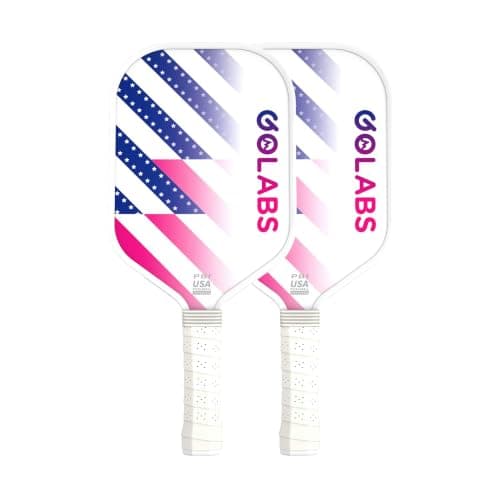 Golabs Pickleball Paddles Set of 2 A USAPA-approved fiberglass pair with a 16mm core — the classic starter choice. | A first paddle, or two people starting together | |
| 2 | 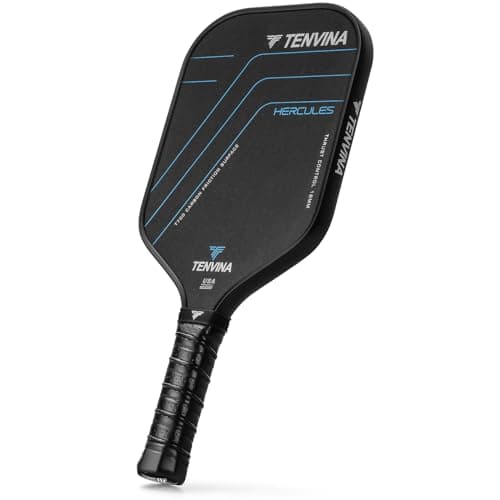 TENVINA Pickleball Paddles A multi-layer T700SC carbon face at a friendly price — the upgrade in its cheapest honest form. | The step up from a starter set, without overspending | |
| 3 | 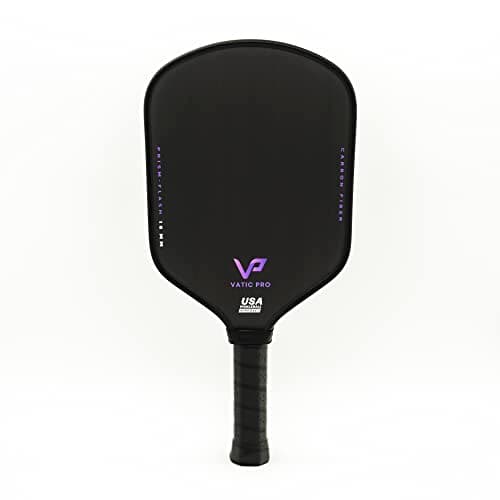 Vatic Pro Prism Flash Carbon Fiber 16mm A 16mm carbon paddle with a cult following among players who research their own gear. | Someone playing regularly who wants real touch |
Golabs Pickleball Paddles Set of 2
Best for: A first paddle, or two people starting together
This is fiberglass doing exactly what fiberglass is good at. It is a set of two USA Pickleball approved paddles with a 16mm core, which means legitimate gear for organized play rather than a toy, at the price point where fiberglass belongs. For someone new, the extra pop the material provides is genuinely helpful while they are still building technique, and the spin they are giving up is something they would not yet be using anyway. Buying a pair also removes the guesswork of matching one person's preference, and it gets two people onto a court together the same afternoon.
Skip it if: Skip it for an experienced player who has already outgrown their starter paddle and is chasing more control.
Price as of October 25, 2026. #ad · how this works
TENVINA Pickleball Paddles
Best for: The step up from a starter set, without overspending
If you have decided carbon is right for your person but you do not want to spend heavily, this is the pick. It uses a multi-layer T700SC matte-textured carbon face on a standard 16mm build, so it delivers the actual thing carbon is bought for — the gritty surface that grabs the ball for spin and control — rather than a painted approximation of it. It is USAPA approved, so it is welcome in organized play. For a player moving off a slick fiberglass paddle from a bargain set, this is the moment they feel the difference, and it costs far less than the enthusiast tier.
Vatic Pro Prism Flash Carbon Fiber 16mm
Best for: Someone playing regularly who wants real touch
This is the carbon paddle to give when you want the gift to look like an insider recommendation. The Vatic Pro Prism Flash has an unusually devoted following among players who choose their own equipment, largely because of how controllable it feels: a 16mm carbon face for spin and touch, with foam-injected walls that make off-center hits more forgiving. For someone who has moved past the beginner phase and is working on placement rather than power, that control-first character is precisely what the carbon upgrade is supposed to deliver. It also arrives with a paddle cover, so it travels without getting chipped.
Skip it if: Skip it for a beginner, who will get more immediate enjoyment from the free power a fiberglass paddle provides.
Price as of October 25, 2026. #ad · how this works
Frequently asked questions
Is carbon fiber better than fiberglass for pickleball?
Not outright — they do different things. Carbon has a gritty surface that grips the ball for more spin and control, which is what improving players want. Fiberglass flexes more and gives more free power for less effort, which suits beginners. The right one depends entirely on how long the player has been playing.
Which should I buy for someone just starting pickleball?
Fiberglass, and usually in a set of two. The extra pop helps while they are still building technique, they will not miss the spin they are not yet using, and you will spend considerably less. A set also lets them bring someone along, which is how most beginners actually keep playing.
Is graphite the same as carbon fiber?
Close enough for gift-buying purposes. Graphite is itself a form of carbon and behaves like a lighter, slightly gentler carbon face — good control and feel with less raw grip than modern raw carbon. Listings often use the terms loosely, so treat graphite as being in the carbon camp.
What does 'raw carbon' mean, and is it worth paying for?
Raw carbon means the carbon surface is left unpainted, which makes it grittier and generates more spin. It is a genuine enthusiast feature rather than marketing, and it sits at the top of the price range. Worth it for a dedicated player working on spin; unnecessary for anyone else.
Can you tell carbon and fiberglass apart by touch?
Usually, yes. A carbon face feels faintly rough or sandy under a fingertip, while fiberglass feels smooth and slightly slick. That texture is the entire functional difference, so if a paddle marketed as carbon feels glassy, it is worth checking what the face is actually made of.
Does the face material matter more than the paddle's weight?
They matter in different ways. Weight is the spec most likely to make a paddle feel wrong in someone's hand, so it is the bigger risk when buying blind. Face material decides the paddle's character — power versus control. Get the weight into a safe midweight range and then choose the material to suit their level.
Keep exploring
The full carbon roundup, with live prices.
How to choose a paddle as a giftThe whole decision, start to finish.
Pickleball paddle weight guideThe other spec that actually matters.
What pickleball paddles costWhat you get at each price band.
Best pickleball paddles for spinRaw carbon faces specifically, with the USA Pickleball rules on texture.
Elongated vs standard paddlesOnce the face is settled, the shape.
Sources
Browse another way