Guide
Indoor vs Outdoor Pickleballs
They look almost identical and they are not interchangeable — here's the one visual difference that tells you which is which.
By Stephen V. · Updated August 2026 · How we pick
They really are different balls
This catches out almost every gift buyer, and it is one of the few places in pickleball where getting it wrong is genuinely noticeable. Indoor and outdoor pickleballs are not marketing variants of the same product. They are manufactured differently, they weigh differently, they sound different, and they behave differently the moment they hit a paddle. A player handed the wrong type will use them, but they will notice immediately.
The reason is wind. Pickleball is played with a hollow perforated plastic ball, which is very light, and outdoors even a modest breeze will push it off course. Outdoor balls solve this by being harder, slightly heavier and drilled with more, smaller holes — all of which reduce how much the air can move them. Indoor balls, freed from that constraint, are made softer with fewer, larger holes, which produces a gentler bounce and more control on a gym floor.
None of this requires you to understand aerodynamics. It requires you to know one thing, which is where your recipient plays — and if you do not know, there is a safe default, which we come to below.
How to tell them apart: count the holes
The single most reliable way to identify a pickleball is to count the holes, and helpfully, manufacturers usually put the number right in the product name. You will see listings called things like "Championship 26 Indoor" or "40-Holes Outdoor" — that number is the hole count and it tells you everything.
- Indoor balls: around 26 holes, and the holes are noticeably larger. Softer plastic, a slightly duller sound off the paddle.
- Outdoor balls: around 38 to 40 holes, and the holes are smaller. Harder plastic, a sharper, louder pop.
Color tells you nothing useful — both types come in yellow, green, orange and white, and the color is chosen for visibility against the court surface rather than to indicate the type. If a listing does not state indoor or outdoor and does not give a hole count, treat that as a reason to buy something else.
What happens if you use the wrong one
Nothing dangerous, which is worth saying plainly — nobody is going to be hurt by the wrong ball. The consequences are all about feel.
Use an indoor ball outdoors and it will feel unpredictable. It is softer and lighter, so a breeze moves it around, and it tends to skid and scuff on rougher outdoor surfaces, wearing out quickly. Players find it frustrating rather than unusable.
Use an outdoor ball indoors and it will feel harsh. The harder plastic bounces higher and faster off a smooth gym floor, the sound is louder in an enclosed space, and the extra pace makes the soft dinking game near the net considerably harder to play. Some indoor venues discourage it for exactly these reasons.
Practically: if you gift the wrong type, your recipient will simply use them for the other setting or pass them to someone who plays there. It is a mild miss rather than a disaster — but it is also very easy to avoid.
Which should you buy if you don't know?
Outdoor, in most cases. The overwhelming majority of casual pickleball in the US happens on outdoor courts — parks, tennis courts converted with tape, community courts and driveways — so if you know nothing except that your person plays, outdoor is the higher-probability choice.
There are three clues worth checking before you commit:
- Do they play year-round in a cold climate? Then they almost certainly play indoors for part of the year, and a mixed gift of both types is genuinely thoughtful.
- Do they mention a community center, a rec center or a gym? That is indoor.
- Do they mention a park, a court, or playing with neighbors? That is outdoor.
And if you would rather sidestep the question entirely, balls are far from the only good small gift. Our accessories roundup is full of things that work regardless of where anyone plays.
One other decision comes with this one, and it is the easier of the two: how many. A player needs a different number depending on whether they are playing games or drilling alone, and the pack sizes vary from three to forty. Our guide to how many pickleballs you need works through it by use case, and it is the reason a bulk pack is sometimes the better gift than a nicer ball.
Why balls make a better gift than you'd think
Balls are the consumable of the sport. They crack, especially in cold weather, they get stepped on, and they disappear over fences and under parked cars with startling regularity. The result is that almost every regular player is quietly running a slightly depleted supply and has not got round to replacing it.
That makes a multipack an unusually well-targeted small gift: it solves a real, recurring annoyance, it costs very little, and there is no version of a player who does not want more balls. It carries no sizing risk, no taste risk and no compatibility question — any ball works with any paddle, because the sport standardizes the ball rather than the paddle.
The one thing balls are not is a headline present. Give them as a stocking stuffer, as part of a gift basket, or alongside something with more presence, and they land exactly right. Our best indoor pickleball balls page is the indoor half of this decision, and how long pickleball balls last explains why a multipack is never too many.
The gear this guide points to
Disclosure: Popaddle earns a commission on qualifying purchases made through the links on this page, at no extra cost to you. Prices are pulled live and can change. How this works.
| # | Product | Best for | Price |
|---|---|---|---|
| 1 | 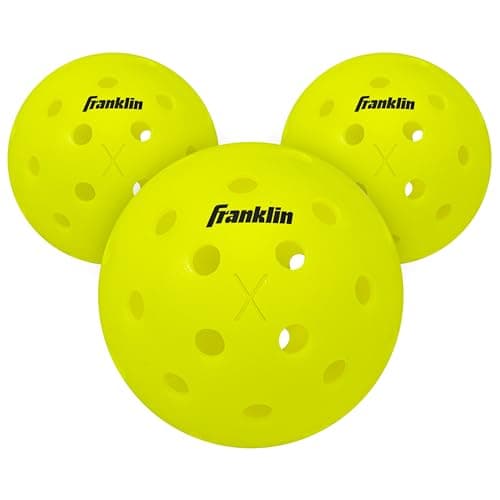 Franklin Sports Pickleball x Performance 40 Outdoor Balls Optic Optic yellow outdoor balls from a brand that is everywhere in the sport. | The safe default when you don't know where they play | $9.97 · View on Amazon $11.99 save 17% |
| 2 | 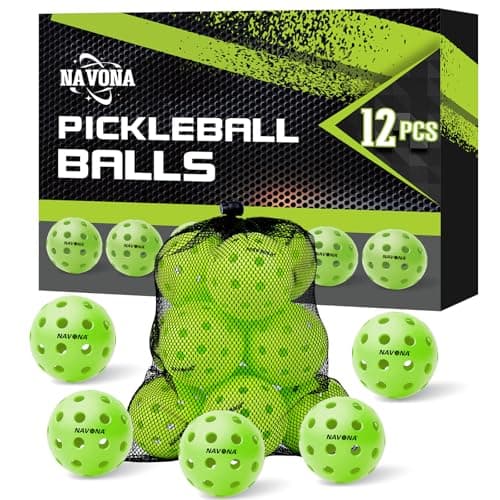 Navona 12 Pack Premium 40 Holes Green Outdoor Pickleball Twelve 40-hole outdoor balls that meet the USA Pickleball official requirement. | A regular outdoor player who is quietly short | |
| 3 | 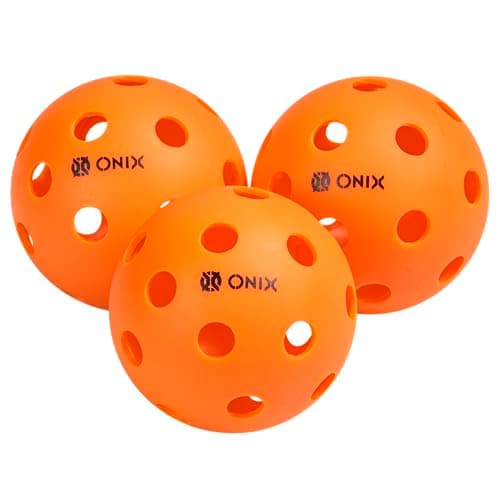 ONIX Recruit Ready‑to‑Play Indoor Pickleball Balls with Superior Welding Indoor balls from a name players know, built for a consistent bounce on a gym floor. | Someone who plays at a gym or community center | $8.52 · View on Amazon $9.99 save 15% |
| 4 | 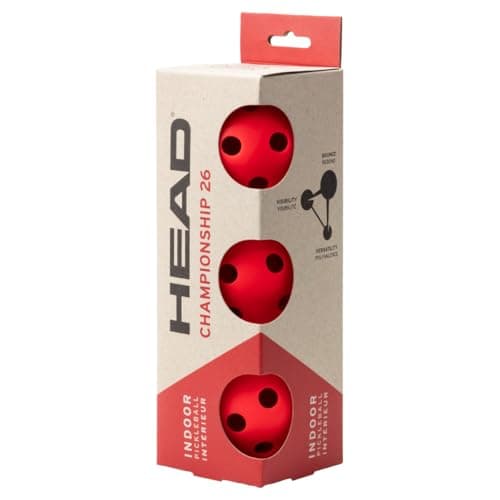 HEAD Championship 26 Indoor A three-pack of 26-hole indoor balls from HEAD — the hole count is right there in the name. | A small top-up for an indoor player |
Franklin Sports Pickleball x Performance 40 Outdoor Balls Optic
Best for: The safe default when you don't know where they play
Franklin is one of the most widely used names in pickleball, which makes this the low-risk choice when you are buying blind. These are Performance 40 outdoor balls in optic yellow, so they are drilled for outdoor play and colored for visibility against a hard court, and outdoor is the higher-probability setting for almost any casual player in the US. They cost very little, they suit any paddle, and they solve a shortage the recipient probably has not mentioned to anyone. As a stocking stuffer or a basket component, this is the default.
Navona 12 Pack Premium 40 Holes Green Outdoor Pickleball
Best for: A regular outdoor player who is quietly short
This is the same choice as above with the quantity turned up, which suits someone who plays outdoors every week rather than occasionally. Twelve 40-hole outdoor balls in green, meeting the USA Pickleball official requirement, is enough to stop the supply problem for a long stretch — and the hole count in the product name is your confirmation that these are genuinely outdoor balls rather than a generic pack. Green shows up well against gray and blue court surfaces, which is a small practical advantage over white.
Skip it if: Skip it if your recipient plays mostly indoors, where these will feel harsh and bounce too high.
Price as of October 25, 2026. #ad · how this works
ONIX Recruit Ready‑to‑Play Indoor Pickleball Balls with Superior Welding
Best for: Someone who plays at a gym or community center
If you know your person plays indoors, buy indoor balls — the difference is obvious enough that the right type is a meaningfully better gift. These ONIX Recruit indoor balls are made with a welded construction for durability and a consistent bounce, from a brand with genuine standing in pickleball, which matters when you cannot judge ball quality yourself. Indoor balls are softer with larger holes, which is what makes the soft game near the net playable on a smooth gym surface rather than frantic.
Skip it if: Skip these for outdoor play, where the softer plastic gets pushed around by wind and scuffs on rough surfaces.
HEAD Championship 26 Indoor
Best for: A small top-up for an indoor player
This is the cheapest way to hand an indoor player something genuinely useful, and it doubles as a neat illustration of how to shop for balls: the 26 in the name is the hole count, which is exactly how you confirm a ball is an indoor one. HEAD is a long-established racket-sports brand, so it carries the reassurance a gift buyer needs. A three-pack is a top-up rather than a season's supply, which makes it a natural stocking stuffer or the small on-theme item in a bigger box.
Skip it if: Skip it as a standalone present; three balls is an add-on, not a gift in its own right.
Price as of October 25, 2026. #ad · how this works
Frequently asked questions
What's the difference between indoor and outdoor pickleballs?
Outdoor balls are harder and heavier with more, smaller holes — typically around 38 to 40 — so wind affects them less. Indoor balls are softer and lighter with fewer, larger holes, usually around 26, which gives a gentler bounce suited to gym floors. They are genuinely different products, not marketing variants.
How can I tell which type a ball is?
Count the holes, or read the product name — manufacturers usually put the number in it, as in 'Championship 26 Indoor' or '40-Holes Outdoor'. Around 26 large holes means indoor; around 38 to 40 smaller holes means outdoor. Color tells you nothing, since both types come in every color.
Can you use outdoor pickleballs indoors?
You can, but it plays badly. The harder plastic bounces higher and faster on a smooth gym floor, it is noticeably louder in an enclosed space, and the extra pace makes the soft game near the net much harder. Some indoor venues discourage it. Nothing dangerous happens — it just feels wrong.
Which should I buy if I don't know where they play?
Outdoor. The overwhelming majority of casual pickleball in the US is played on outdoor courts, so it is the higher-probability choice when you are buying blind. If they live somewhere with real winters, a mix of both types is a genuinely thoughtful alternative.
Do pickleballs wear out?
Constantly, which is what makes them a good small gift. They crack — especially in cold weather — get stepped on, and vanish over fences. Most regular players are quietly running short and have not got round to replacing them, so a multipack solves a real problem for very little money.
Do all pickleballs work with all paddles?
Yes. The sport standardizes the ball rather than the paddle, so there is no compatibility question at all — any ball works with any paddle. The only decision is indoor versus outdoor, which is about where the ball is used rather than what it is used with.
Keep exploring
The full roundup, indoor and outdoor.
Pickleball starter kit checklistEverything a new player needs.
Best pickleball accessoriesGifts that work wherever they play.
Pickleball gift basket ideasWhere a pack of balls earns its place.
Best outdoor pickleball ballsOnce you know it is outdoor: which to buy, and how many.
Sources
Browse another way