Guide
How to Clean a Pickleball Paddle
The face texture is what grips the ball, and most cleaning advice on the internet will sand it off. Here is the conservative version, and what to do about the handle.
By Stephen V. · Updated October 2026 · How we pick
Why you are cleaning it at all
Not for appearance. What a modern paddle does to a ball comes mostly from the texture of its face: a carbon or composite surface grips the ball, and that grip is what produces spin and control. Court dust, ball residue, sunscreen and sweat fill that texture in, and a filled-in face is a slicker face. The goal of cleaning is restoring grip, which is why every choice below is made in favor of the texture and against getting the paddle visually spotless.
It is also why the aggressive methods circulating online are a bad idea. Anything abrasive — a magic eraser, a scouring pad, a stiff brush — removes material. It will make the paddle look clean and it will take some of the texture with it, permanently. USA Pickleball's equipment rules are specific about paddle surfaces, and a paddle whose face has been altered is a paddle you should not assume is still legal for sanctioned play; the carbon versus fiberglass guide covers what these faces actually are.
One more reason to be conservative: USA Pickleball has published a spin rate test with a 2,100 RPM limit effective 1 October 2026, and the approved equipment database is the authority on whether a given paddle is currently approved. Surface treatments are exactly the territory those rules police. Clean the paddle; do not modify it.
The method: four steps and nothing clever
This is the whole procedure, and the discipline is in what it leaves out.
If something sticky is on there — sunscreen is the usual culprit — add the smallest possible amount of mild soap to the damp cloth, wipe, then wipe again with a clean damp cloth to remove the soap, then dry. The second wipe is not optional: soap residue in a textured face is itself a slick film.
Now the list that matters more, because it is where paddles get killed. Do not use solvents, alcohol, acetone, brake cleaner, bleach, or household surface sprays. Do not use abrasives of any kind, including melamine foam erasers. Do not soak or submerge the paddle, put it in a dishwasher, or run it under a tap — water that gets inside the edge guard has no way out and will sit against the core. Do not use heat to dry it, including a hairdryer or a sunny dashboard.
The handle and the grip are a different job
A slick handle is the problem people most often try to solve by cleaning, and cleaning is the wrong tool. A grip has a service life: it compresses, polishes smooth where your palm sits, and stops absorbing. Once it is at that stage, washing it buys a session at best.
The honest fix is rewrapping, and the first thing to know is that there are two different products. A replacement grip is the handle's actual wrap, fitted over the bare handle; an overgrip is a thin tape applied on top of whatever is already there and designed to be thrown away and redone. JustPaddles' explainer on the distinction is the clearest published one we have found, and Selkirk has a step-by-step guide to wrapping an overgrip properly, which is worth reading once before your first attempt.
A caution that catches people: every layer you add makes the handle thicker, and a handle that is too thick for your hand makes the paddle twist and feel insecure. If you are stacking overgrips onto an already-fat handle, strip back instead. Our grip size guide covers how to work out what circumference you actually want, and grips for sweaty hands deals with the case where the handle is slick because of you rather than because of age.
How often, and what actually makes a paddle dirty
If you play outdoors, wipe the face after every session or two. Outdoor courts are the dirty environment: concrete and acrylic produce fine dust, and the ball picks it up and transfers it to the face on every contact. Indoors on wood, every few sessions is plenty.
But the larger share of what degrades a paddle happens off the court, which means the best cleaning strategy is prevention. Four habits do most of the work. Never let two paddles sit face-to-face in a bag, because they abrade each other. Keep keys, grit and ball tubes out of the paddle compartment. Put the paddle in a sleeve. And do not leave it in a hot car — heat is the one thing a cover does not protect against, and it is probably the most common way expensive paddles die.
Our paddle covers page covers the sleeves, and how long paddles lastgoes through what actually ends a paddle's life, which is almost never dirt.
The gear this guide points to
Disclosure: Popaddle earns a commission on qualifying purchases made through the links on this page, at no extra cost to you. Prices are pulled live and can change. How this works.
| # | Product | Best for | Price |
|---|---|---|---|
| 1 |  Retrora 6 Pcs Soft Pickleball Towel 15 x 17 Six soft pickleball towels, so one is always clean and dry when you need it. | The cloths to actually clean with | |
| 2 | 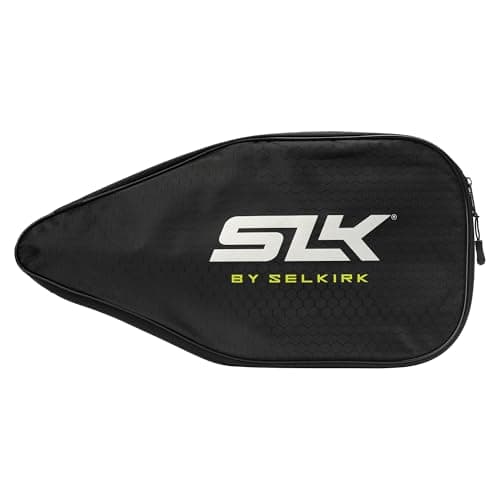 Selkirk Sport SLK Pickleball Case A brand-made paddle cover listed as fitting all paddle shapes and sizes. | Keeping the face clean instead of cleaning it | |
| 3 | 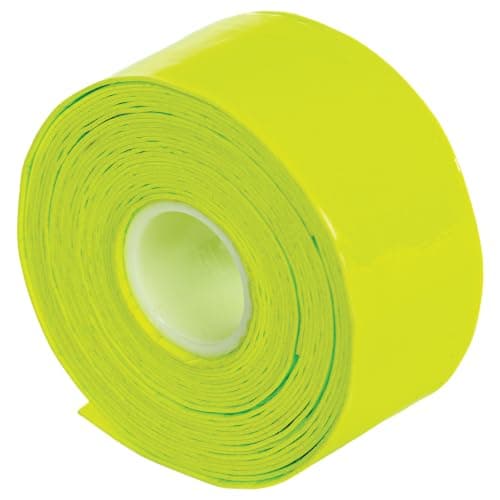 Franklin Sports Pickleball Paddle Overgrips (3-Pack) Three overgrips, listed as providing extra grip with slight tackiness. | A handle that has gone slick and needs rewrapping, not washing | |
| 4 | 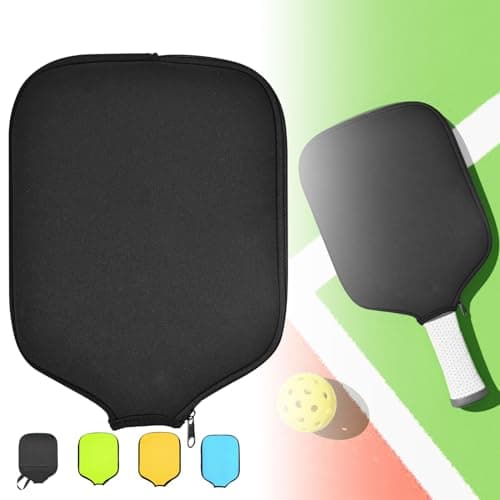 Qujior Pickleball Paddle Cover A single universal sleeve that publishes its actual size: 8.6 by 12.2 inches. | A long paddle that universal sleeves do not fit |
Retrora 6 Pcs Soft Pickleball Towel 15 x 17
Best for: The cloths to actually clean with
The method above needs two cloths - one damp, one dry - and the reason people skip the drying step is that they only own one. A six-pack solves that permanently and leaves spares for the bag, the car and the wash. Soft towels are the right texture for this job precisely because they are not abrasive: the whole point of the exercise is to lift dust out of the face texture rather than to scrub the texture off. They are also the item that keeps the handle dry mid-session, which prevents the slickness you would otherwise be cleaning later.
Skip it if: Skip it if you already keep towels in your bag; this solves a problem you do not have. Skip it too if you want the cloth to be a gift - six plain sport towels are useful rather than impressive, and the towels page has personalized options.
Price as of October 25, 2026. #ad · how this works
Selkirk Sport SLK Pickleball Case
Best for: Keeping the face clean instead of cleaning it
The best cleaning product is the one that stops the paddle getting dirty. A sleeve keeps court dust, grit and the face of a second paddle off the surface you are trying to protect, and this one is made by a company that makes paddles - so the listing's claim to fit all paddle shapes and sizes is backed by knowing what shapes exist. At this price it costs less than a single overgrip multipack and removes most of the abrasion a paddle collects in a bag. It is the first thing we would buy after a paddle.
Skip it if: Skip it if your bag already has a padded paddle compartment and you only carry one paddle. Skip it too if you need two covers; the multipack on the covers page is cheaper per sleeve.
Price as of October 25, 2026. #ad · how this works
Franklin Sports Pickleball Paddle Overgrips (3-Pack)
Best for: A handle that has gone slick and needs rewrapping, not washing
This is the honest answer to the handle half of the question. When a grip is polished smooth, cleaning buys you a session and rewrapping buys you months, and an overgrip is the cheap consumable designed for exactly that: a thin tape over the existing handle that you strip and replace whenever it stops working. Three is the right starter quantity - enough to learn the wrap on the first one without worrying about wasting it. Franklin is one of the most widely used names in recreational pickleball and this is its basic, slightly tacky grip.
Skip it if: Skip it if your problem is heavy sweat rather than age - an absorbent grip is a different product and our sweaty-hands page sorts them by what they do with moisture. Skip it too if your handle is already thick for your hand; adding a layer makes that worse.
Price as of October 25, 2026. #ad · how this works
Qujior Pickleball Paddle Cover
Best for: A long paddle that universal sleeves do not fit
Protection only works if the cover fits, and this is the only listing in this registry that tells you its dimensions in inches - which means you can check it against your paddle with a tape measure before spending anything. That matters for elongated paddles specifically: USA Pickleball's rules allow up to 17 inches of total length, and a paddle near that limit is where generic sleeves start to fail. The listing also states compatibility with standard and elongated shapes.
Skip it if: Skip it if your paddle is a standard shape and you would rather have the brand-made cover above. Skip it too if you need two; the two-pack on the covers page is better value.
Price as of October 25, 2026. #ad · how this works
Frequently asked questions
What is the best way to clean a pickleball paddle?
A damp microfiber cloth and cool water, wiped in straight passes across the face with light pressure, then dried immediately with a second dry cloth. Knock loose dust off dry first so you are not grinding grit into the surface. For something sticky like sunscreen, add a trace of mild soap, then wipe again with a clean damp cloth to remove the residue. That is the entire method - the skill is in resisting anything stronger.
Can I use a magic eraser on a carbon fiber paddle?
We would not. A melamine foam eraser works by being a very fine abrasive, and what it abrades on a paddle is the face texture - the thing that grips the ball and the entire reason you are cleaning the paddle. It will look clean and it will have less bite. Given that USA Pickleball's rules govern paddle surfaces and it has published a spin rate test with a 2,100 RPM limit, deliberately altering a face is also the wrong side of a line you do not want to be near.
Can I use alcohol or a household cleaner on a paddle face?
No. Solvents, alcohol, acetone and household surface sprays can attack adhesives, paint and resin, and the one thing you cannot repair on a paddle is the bond between the face and the core. Cool water on a microfiber cloth handles ordinary court dust, and a trace of mild soap handles the rest. If water will not shift it, the honest answer is that it is probably permanent.
Can a pickleball paddle get wet?
Damp is fine, submerged is not. A wipe with a damp cloth followed by immediate drying does no harm. Soaking, running it under a tap, or putting it in a dishwasher does, because water that gets inside the edge guard has nowhere to go and will sit against the core. Never dry a paddle with heat either - no hairdryer, no sunny dashboard. Heat is one of the main things that kills paddles.
How often should I clean my pickleball paddle?
Outdoors, after every session or two: concrete and acrylic courts throw fine dust and the ball transfers it to the face on every contact. Indoors on wood, every few sessions is plenty. The real test is feel rather than schedule - if the paddle has stopped biting the ball the way it used to, a wipe is the first and cheapest thing to try before concluding the paddle is finished.
How do I clean the handle or grip?
Mostly you do not - you replace it. A grip compresses and polishes smooth where your palm sits, and once it is at that stage cleaning buys a session at best. Rewrapping is the fix, and the thing to know is that a replacement grip and an overgrip are different products: the first is the handle's actual wrap, the second is a thin tape over the top meant to be thrown away and redone. JustPaddles has a clear explainer on the difference and Selkirk publishes a step-by-step wrapping guide.
What is the best way to keep a paddle from getting dirty in the first place?
Four habits, and they are free or nearly so. Never let two paddles sit face-to-face in a bag, because they abrade each other. Keep keys and grit out of the paddle compartment. Put the paddle in a sleeve. And do not leave it in a hot car - heat is the one thing a cover does not help with and the most common way expensive paddles are quietly ruined.
Keep exploring
The cheapest way to stop the face wearing.
How long do pickleball paddles last?What actually ends a paddle's life.
Best grips and overgripsRewrapping, by product type.
Best grips for sweaty handsWhen the handle is slick because of you.
Best pickleball towelsThe cloths this guide needs.
Carbon vs fiberglass paddlesWhat the face is actually made of.
Pickleball grip size guideBefore you add another layer.
Best pickleball bagsWhere the abrasion happens.
Sources
- USA Pickleball — Official Rulebook (court 20 x 44 ft; non-volley zone 7 ft from the net on each side; 2.E.3 paddle size 24 in combined length and width, 17 in maximum length; 2.E.4 no weight restriction)
- USA Pickleball — Approved equipment database (current approval status, paddle by paddle)
- USA Pickleball — Update regarding the spin rate test and implementation timeline (2,100 RPM limit, effective 2026-10-01)
- JustPaddles — the difference between a pickleball overgrip and a replacement grip
- Selkirk Sport — how to overgrip your pickleball paddle for maximum performance
Browse another way