Guide
What to Bring to Pickleball
Four things are genuinely essential. Four more are the ones people wish they had brought. Here is the packing list, sorted by how often you will regret leaving it behind.
By Stephen V. · Updated October 2026 · How we pick
The four things you genuinely cannot do without
Pickleball is one of the least equipment-dependent sports there is - USA Pickleball's own introduction to the game makes the point that a paddle and a ball is essentially the whole requirement. That is true on a court with a net already up. In practice, four things decide whether you have a good session or a frustrating one.
If you are putting a kit together from scratch rather than packing an existing one, our starter kit checklist is the page for that - it covers what to buy, where this page covers what to carry.
The four things people wish they had brought
Separate list, and in some ways the more useful one. These are the items that do not stop you playing but quietly decide whether the last two games are enjoyable.
A towel with a clip.Not for showering - for your hands and your paddle handle between points. Selkirk's own write-up on playing in heat puts a towel at the centre of sweat management for exactly this reason: a damp hand on a grip is how paddles get thrown, and wiping it is a two-second fix you can only make if the towel is clipped to the fence rather than in a bag across the court.
A spare overgrip. Costs a couple of dollars and takes three minutes to fit. A grip that has gone slick mid-session is the most common equipment failure in the sport, and it is the only one you can repair on a bench. Our guide to replacing a grip covers the method, which is worth knowing before you need it.
Something to keep hair and sweat out of your eyes. A hat, a visor, a headband or a hair tie. Trivial until the third game, at which point it is the only thing you can think about.
Food.Open play sessions run long, league nights run late, and pickleball's short games mean you play far more total minutes than you planned to. Something in the bag that is not a vending machine is worth the space.
Worth adding for anyone playing outdoors: eye protection and sun cover. The ball travels fast at close range across a net, which is the reason our eye protection guide exists, and if glare rather than safety is your problem our glasses versus sunglasses page separates the two purchases.
Packing it: why the bag itself matters
You can carry all of this in a rucksack, and plenty of people do for years. What a purpose-made pickleball bag adds is three specific things, and whether they are worth it depends on how you play.
A fence hook. The most underrated feature in the category. It means your bag hangs at waist height on the court fence rather than sitting on wet grass or hot concrete, which means your water, your towel and your spare balls are reachable between points instead of forty feet away.
A shoe compartment. Matters more than it sounds. Court shoes come off a court filthy, and a separate ventilated compartment keeps that away from a towel and a change of shirt. If you commute to play, this is the feature that decides whether your bag is pleasant to open.
Paddle protection. Dedicated paddle slots stop two faces abrading each other in transit, which is the second most avoidable way to wear out a paddle. If your bag has no slots, individual sleeves do the same job - our paddle covers page covers those for a few dollars.
The full field, from sling bags for one paddle up to backpacks that take four plus shoes, is on our pickleball bag roundup, and do you need a pickleball bag is the honest page on whether to bother at all.
Three different sessions, three different bags
A short note on what to leave at home. Glass of any kind, on any court - a broken bottle on a playing surface is a genuine hazard and most facilities ban it outright. A portable speaker nobody has asked about, at a shared facility. And valuables, if your bag is going to hang on a fence for three hours while you are at the far end of a court.
The gear this guide points to
Disclosure: Popaddle earns a commission on qualifying purchases made through the links on this page, at no extra cost to you. Prices are pulled live and can change. How this works.
| # | Product | Best for | Price |
|---|---|---|---|
| 1 | 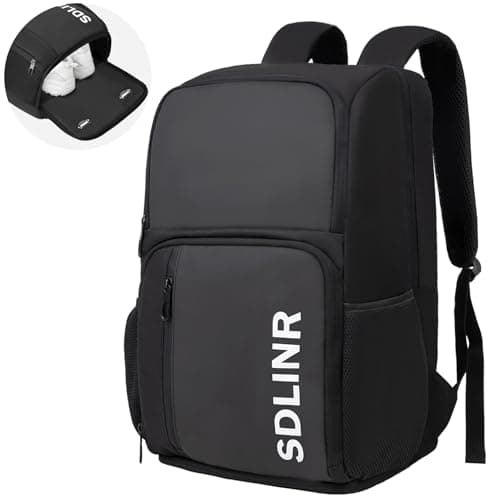 SDLINR Large Pickleball Bag Backpack Fits 4+ Paddles for A backpack listed to fit 4+ paddles, sized for everything on this page at once. | Someone carrying paddles, shoes and a day's gear to a session | |
| 2 |  SANDJEST Pickleball Water Bottle 32oz Stainless Steel Insulated Vaccum A 32 oz insulated stainless steel bottle - big enough that you do not have to ration it. | Anyone who finishes a session thirstier than they expected | |
| 3 | 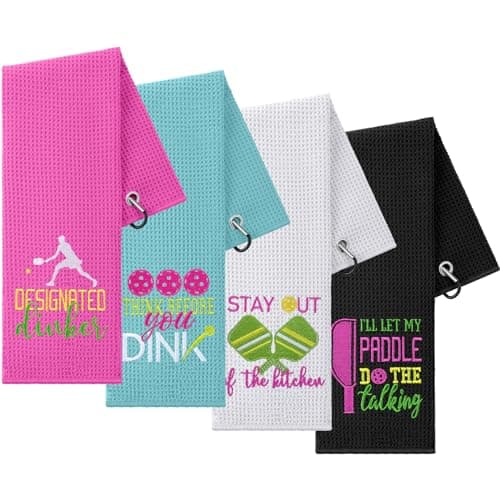 Hosuly 4 Pcs Dinkball Towel 16" x 24" Microfiber Four microfibre towels with clips, listed at 16 by 24 inches. | Anyone whose paddle slips in the third game | |
| 4 | 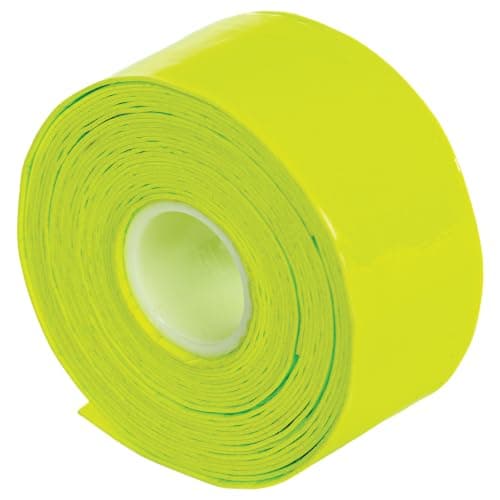 Franklin Sports Pickleball Paddle Overgrips (3-Pack) A three-pack of overgrips listed with slight tackiness - one for the paddle, two for the bag. | Carrying a fix for the one failure that happens mid-session |
SDLINR Large Pickleball Bag Backpack Fits 4+ Paddles for
Best for: Someone carrying paddles, shoes and a day's gear to a session
If the packing list above is what you are carrying, this is the shape of bag that carries it. The listing specifies a large pickleball backpack fitting four or more paddles for men and women - which in practice means your own paddle, a spare, a towel, a bottle and a tube of balls without a game of Tetris. The backpack format is the right default for anyone walking, cycling or taking transport to play, and the capacity means it also works as the household's bag when two people go together. Our bag roundup has the sling and crossbody alternatives if you only ever carry one paddle.
Skip it if: Skip it if you walk to a court with one paddle and a bottle - a sling bag is less to carry and cheaper. Skip it too if a ventilated shoe compartment is your priority; check the listing features against the bags on our roundup that specify one.
Price as of October 25, 2026. #ad · how this works
SANDJEST Pickleball Water Bottle 32oz Stainless Steel Insulated Vaccum
Best for: Anyone who finishes a session thirstier than they expected
This is the item on the list that gets used every single session without exception, and the reason to buy a large insulated one rather than carrying whatever is in the car is simply volume and temperature. Pickleball's short games and shorter changeovers mean people drink less than they should and notice two games later, and 32 ounces is enough for a long open-play session without a refill hunt. Stainless steel with vacuum insulation keeps it cold through an afternoon on a hot court, which is the difference between drinking it and carrying it.
Skip it if: Skip it if you already own a large insulated bottle - this is not a category where a pickleball print changes the function. Skip it too if you want something lighter to carry; the plastic bottles on our roundup weigh considerably less when full.
Price as of October 25, 2026. #ad · how this works
Hosuly 4 Pcs Dinkball Towel 16" x 24" Microfiber
Best for: Anyone whose paddle slips in the third game
The item people only buy after the session where they needed one. The clip is the part that matters - a towel clipped to the fence is a towel you use between points, where one in the bottom of a bag is a towel you remember on the drive home. Selkirk's own guidance on playing in heat treats a towel as central to sweat management, and that is exactly right: a damp hand on a grip is the most common cause of a paddle twisting or flying. Four in a pack means one lives in the bag permanently, one in the car, and nobody is ever searching for a clean one.
Skip it if: Skip it if you already keep a clipped towel in your bag - this is a solved problem once solved. Skip it too if you want a personalised or embroidered one as a gift; our towels roundup has those.
Price as of October 25, 2026. #ad · how this works
Franklin Sports Pickleball Paddle Overgrips (3-Pack)
Best for: Carrying a fix for the one failure that happens mid-session
This is on the list because it is the only equipment failure in pickleball you can actually repair between games. A grip goes slick with sweat and age, and once it does, nothing about your technique is going to compensate - you will grip harder, your touch will go, and you will blame the paddle. A three-pack means one on the paddle and two spares living in the bag permanently, which is the whole point: the fix is useless if it is at home. Slight tackiness is the right default for most hands, and it takes about three minutes to fit.
Skip it if: Skip it if your handle is already too thick for your hand - an overgrip adds circumference, and our small-hands page explains why that is the wrong direction. Skip it too if you want the dry cloth feel; that is Tourna Grip, on our overgrips roundup.
Price as of October 25, 2026. #ad · how this works
Frequently asked questions
What do I need to bring to my first pickleball session?
A paddle, balls, water and court shoes. If you do not own a paddle yet, most drop-in sessions have spares and someone will lend you one - but bring a tube of balls anyway, because balls are the social currency of open play and showing up with them makes you welcome. Court shoes are the one thing nobody can lend you and the one thing that is genuinely a safety item rather than a comfort one.
Do I need to bring my own pickleballs?
Not strictly, but yes in practice. At open play and drop-in sessions, play is organised around whoever has balls, and arriving with a fresh tube is the fastest way into a game. Bring the right type for the surface: outdoor balls for concrete and acrylic courts, indoor balls for gym wood - they have different hole counts and fly differently, and using the wrong one is immediately obvious to everyone.
What should I bring to a pickleball tournament?
Everything on the open-play list, plus a second paddle, two shirts, considerably more food and water than you think, and a light layer for the long waits between matches. The second paddle is the one people skip and regret - a cracked face or a lifting edge guard between rounds ends your day if there is no backup. It is also worth being clear on which rules you are playing under; USA Pickleball's rulebook is the authority and avoidable faults are expensive in a bracket.
What should I wear to play pickleball?
Court shoes and something you can move and sweat in - that is genuinely the whole requirement for recreational play. The shoes are the part that is not negotiable, because lateral stability is what a paddle sport asks for and running shoes are built not to have it. Our page on what to wear to play pickleball covers the clothing question properly, including the outdoor and winter versions.
Do I need a pickleball bag or will a backpack do?
A backpack does the job. What a pickleball bag adds is three specific things: a fence hook so your gear hangs at waist height on court instead of on the ground, a separate shoe compartment, and dedicated paddle slots that stop two faces abrading each other in transit. Whether those are worth it depends on how often you play and how far you carry it - our page on whether you need a pickleball bag answers it honestly.
What is the one thing people most often forget?
A towel with a clip. It is the item nobody buys until the session where their hand was wet, the paddle twisted, and the towel was in a bag at the other end of the court. A clipped towel on the fence is usable between points, which is the only time it is needed. The runner-up is a spare overgrip - the one equipment failure you can fix on a bench in three minutes, if you brought one.
Should I bring eye protection?
Outdoors especially, it is worth thinking about seriously. Doubles at the net means two players roughly fourteen feet apart hitting a hard plastic ball, which is the reason protective eyewear exists in this sport at all. That is a different purchase from sunglasses, which solve glare rather than impact - our glasses versus sunglasses page separates the two so you buy the one you actually need.
Keep exploring
Sources
- USA Pickleball — How to Play Pickleball (the court, the two-bounce rule, the non-volley zone "nicknamed the Kitchen", and serving)
- USA Pickleball — Official Rulebook (Section 2: court, net, ball and paddle specifications; no paddle weight or grip-size restriction)
- Selkirk Sport — 8 essential items for sweaty pickleball players (sweat management on court)
- Harvard Health Publishing — Practical pointers for pickleballers (warming up; "sudden starts and stops and side-to-side moves increase stress on joints, muscles, and ligaments")
Browse another way