Best Gear
The Best ONIX Pickleball Paddles
ONIX made the paddle half of America learned on, and the range has grown confusing since. Here is what the Z5, Evoke and Lucent names actually tell you.
By Stephen V. · Updated October 2026 · How we pick
If you are buying one ONIX paddle and want the shortest answer, buy the ONIX Graphite Z5. It is the paddle that introduced an enormous number of Americans to the sport, it is USA Pickleball approved on the listing, and it is still the ONIX that suits the most people. If you want ONIX's current engineering rather than its most famous paddle, the Lucent Raw Carbon is the step up. If two people are going to play, the Z1 Starter Kit solves the whole problem in one box.
Here is the thing that makes an ONIX page worth reading rather than skimming. ONIX sorts its own paddles into three tiers and publishes what each one is for - Tournament Paddles are "the choice of the top pickleball athletes playing at the highest level," Performance Paddles are "the perfect pick for aspiring pickleball players looking to reach the next level of play," and Recreational Paddles are "the best pickleball paddles for beginners." That is a more honest ladder than most brands publish, and it settles the first question a buyer should ask, which is not which paddle is best but which tier the player is actually in.
The second thing to read is the shape, and ONIX uses plain words for it. Its own paddle pages state that wide-body paddles "offer a larger sweet spot" while elongated shapes "offer more reach" - and that single sentence decides most ONIX purchases. The Z5 family is wide-body. The Lucent family is elongated. If you are buying for someone else and you do not know which they would prefer, buy wide-body: a larger sweet spot is useful to every player at every level, while reach is only useful to one who can already hit the middle of a narrower face.
The third is the face material, and ONIX publishes its vocabulary here too - its paddles are filtered by Raw Carbon, Graphite, Composite, Carbon Fiber Weave and Poly-Fiber faces. The practical hierarchy for a buyer is short. Raw carbon grips the ball hardest and costs the most. Graphite is the classic lightweight face and is what the Z5 is built on. Composite is cheaper, gives a little more pop and is completely adequate for recreational play. None of these is a bad face; they are different trades, and ONIX sells all of them deliberately.
Core construction is the fourth, and ONIX offers two kinds: polypropylene and Nomex honeycomb. Polypropylene is the softer, quieter, more damped core that most of the modern market uses; Nomex is the stiffer, louder, older construction that gives a harder, poppier response. ONIX also explains what thermofusing means on its own pages - heat and pressure used to form a paddle "all into one piece" - which is the construction method behind most of the stiffness and sweet-spot claims you will read anywhere in this category.
What an ONIX paddle costs, in brackets rather than numbers, because every figure on this page is pulled live instead of typed. The Recruit wood set sits at the price of a takeout dinner. The Z5 and Evoke paddles land in the bracket of a decent pair of running shoes. The Lucent Raw Carbon roughly doubles that and is the only pick here that is really aimed at a competitive player. The honest version of this page's advice: most people buying an ONIX should buy a Z5 or a Z1 kit, and the two expensive picks exist for someone who has told you specifically what they want.
A word on why the Z5 keeps appearing in different forms, because it confuses people and it is not a trick. ONIX has sold the Z5 shape in graphite and composite faces, in a MOD revision, and in multiple colorways and price points across years - which means you will find several listings that all say Z5 and do not cost the same. The useful thing to know is that they share the wide-body shape and the broad brief, and the differences are in face material and generation. Two Z5 listings appear below for exactly that reason, and the entries say which is which.
One more honest note about brand pages generally. If what you actually need is a control paddle, a power paddle or a paddle that will not aggravate an elbow, shop the need first and let the brand fall out of it - ONIX makes decent paddles in all three categories, and so does everyone else at this money. This page exists because people search for the brand by name, and because once you have decided on ONIX, the model names genuinely do not explain themselves.
How these picks were chosen, and what we are not claiming. Every pick is a currently purchasable listing, each one resolved and verified live on the day this page was published. Nobody on this site has hit with any of them, there is no testing program behind Popaddle, and there is not one invented rating or score anywhere on this page - every shape, face, core, approval, count or inclusion claim below is repeated from the live listing or from the ONIX and USA Pickleball sources at the foot of the page. The order runs from the paddle that suits the most people to the one that suits the fewest, not from cheapest to priciest. Prices move constantly, so every number is pulled live and stamped with the date it was checked.
Disclosure: Popaddle earns a commission on qualifying purchases made through the links on this page, at no extra cost to you. Prices are pulled live and can change. How this works.
| # | Product | Best for | Price |
|---|---|---|---|
| 1 | 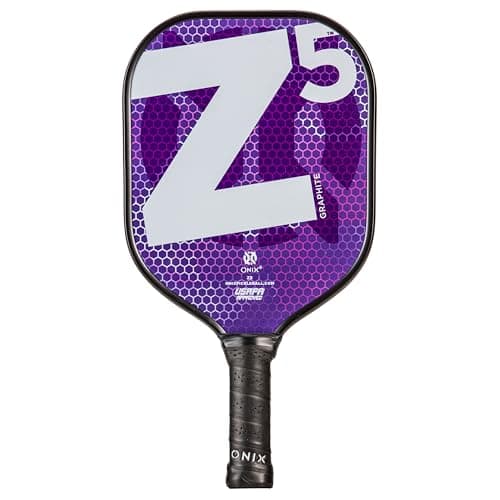 ONIX Graphite Z5 The graphite Z5 that taught half the country to play - wide-body, USA Pickleball approved on the listing. | One good ONIX for a recreational or improving player | $69.74 · View on Amazon $89.99 save 23% |
| 2 | 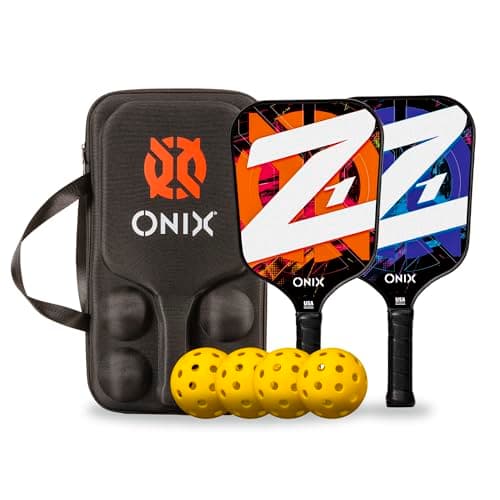 ONIX Z1 Starter Kit (2 Paddles, 4 Balls, Case) Two ONIX Z1 paddles and four Fuse pickleballs in a carry case, in one box. | Two people who want to start playing this weekend | $72.46 · View on Amazon $83.54 save 13% |
| 3 | 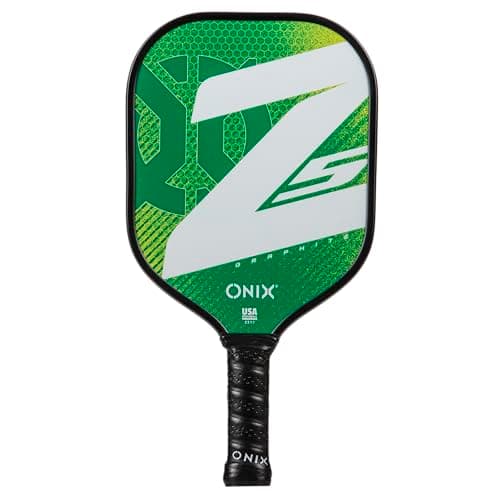 Onix Graphite MOD Z5 ONIX's MOD revision of the Z5 - wide-body shape, honeycomb core, graphite face, stated on the listing. | A buyer who wants the current revision of ONIX's most famous shape | |
| 4 | 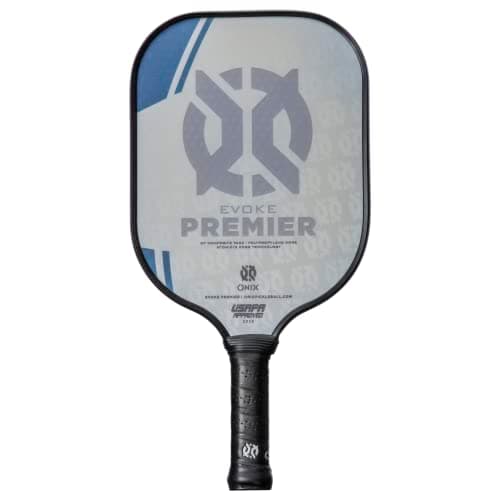 ONIX Evoke Premier ONIX's tournament-line Evoke Premier in what the listing calls the Impact paddle shape. | Someone playing in leagues who wants ONIX's tournament line without the raw-carbon price | $74.88 · View on Amazon $149.99 save 50% |
| 5 | 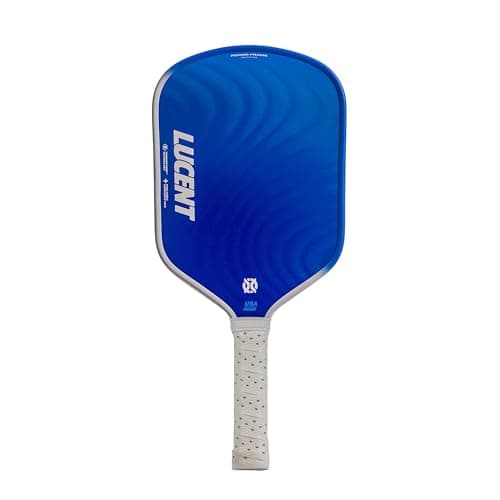 Onix Lucent (Composite) The composite-faced Lucent - elongated shape, honeycomb core, tennis-style grip, USAPA approved on the listing. | A player who wants reach and a tennis-style handle without raw-carbon money | $78.46 · View on Amazon $89.99 save 13% |
| 6 | 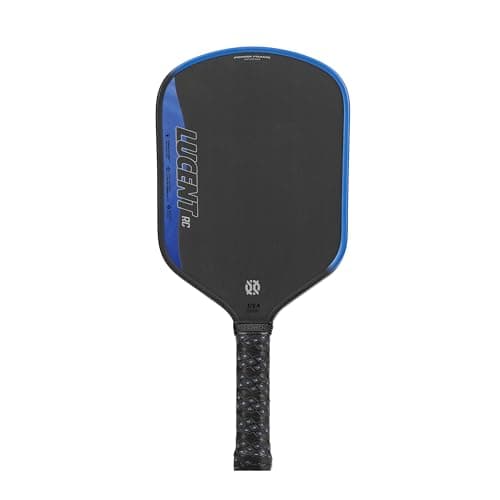 Onix Lucent Raw Carbon The Lucent Raw Carbon - elongated, Hexcell core, raw carbon fiber face, USAPA approved on the listing. | A committed player who has asked for a raw carbon elongated paddle | |
| 7 | 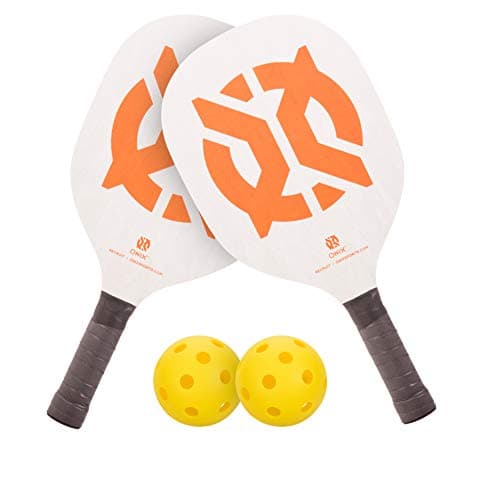 Recruit by ONIX Starter Set (2 Wood Paddles, 2 Balls) Two poplar wood paddles and two balls from ONIX's entry Recruit line, at the bottom of the range. | A driveway, a holiday house, or a set you do not mind lending out | $29.99 · View on Amazon $39.99 save 25% |
The picks in detail
ONIX Graphite Z5
Best for: One good ONIX for a recreational or improving player
This is the ONIX to buy if you are buying one, and its reputation is earned rather than nostalgic. The listing specifies a graphite carbon fiber face, a cushion comfort grip, USA Pickleball approval and a 4 1/4 inch grip size - which is the standard adult handle, so nothing about it is a preference you have to guess. The Z5 is a wide-body shape, and ONIX's own paddle pages state that wide-body paddles offer a larger sweet spot: that is the single most useful property for a recreational player and it does not stop being useful as they improve. The published grip size matters more than it sounds, too, because it is the specification most listings in this bracket leave out.
Skip it if: Skip it if the player has asked for reach or for a raw carbon face - the Lucent picks below are the elongated, modern-face ONIX paddles and this is deliberately neither. Skip it too if they do not play yet; the Z1 kit or the Recruit set further down are better presents for someone starting from nothing.
ONIX Z1 Starter Kit (2 Paddles, 4 Balls, Case)
Best for: Two people who want to start playing this weekend
If you are buying a present rather than a paddle, this is the pick, and it is the most reliable gift in the ONIX range. The listing specifies two Z1 paddles and four Fuse pickleballs in an easy-to-carry case - so there is no grip size to guess, nothing to assemble, no second purchase required, and two people can play the day it is opened. The balls are the part buyers forget: a paddle on its own is a present that cannot be used until someone makes another trip. It also carries a real brand's name rather than a generic one, which matters more than it should for a gift that gets unwrapped in front of other people.
Skip it if: Skip it if the recipient already owns a paddle they like - a second recreational paddle is a spare rather than a gift. Skip it too if you want a graphite or carbon face specifically; the kit is built to a kit price and the Z5 above is the better single paddle.
Onix Graphite MOD Z5
Best for: A buyer who wants the current revision of ONIX's most famous shape
Buy this one when you have decided on a Z5 and want the later version of it. The listing is unusually explicit for this bracket: a wide-body shape, a honeycomb core, a graphite face and a cushion comfort grip, all named. That is the Z5 brief restated with the construction spelled out, and the wide-body shape is doing the same work ONIX credits it with on its own pages - a larger sweet spot. Where the two Z5 listings differ is generation and face treatment rather than intent, and the live prices under each will usually be the thing that decides between them.
Skip it if: Skip it if the plain Graphite Z5 above is cheaper on the day you look - the briefs are close enough that price is a reasonable tie-breaker and this page shows you both live. Skip it too if the listing not stating a USA Pickleball approval matters to you; the Z5 listing above states one and this one does not.
Price as of October 25, 2026. #ad · how this works
ONIX Evoke Premier
Best for: Someone playing in leagues who wants ONIX's tournament line without the raw-carbon price
This is the ONIX for the player who has moved past recreational play and is not ready to spend Lucent money. The listing describes a professional tournament paddle designed by pro pickleball players in the Impact paddle shape - and the Evoke Premier sits in ONIX's tournament tier, which ONIX describes as the choice of top athletes at the highest level. Worth knowing before you buy: the Evoke line has shipped in composite and raw carbon versions at different core thicknesses, and this listing names the shape rather than publishing a face material or core figure. If a specific thickness matters to the player, read ONIX's own product page for the model before you commit.
Skip it if: Skip it if you want the listing to tell you the core thickness and face material before you buy - it does not, and that is a fair reason to pick a pick that does. Skip it too for a beginner; a tournament-tier paddle is money spent on an advantage they cannot use yet, and the Z5 is the better paddle for them.
Onix Lucent (Composite)
Best for: A player who wants reach and a tennis-style handle without raw-carbon money
This is the cheaper way into ONIX's elongated line, and it is the right pick for a player who has come from tennis. The listing specifies an elongated shape, a honeycomb core, a composite face, a tennis-style pickleball paddle grip and USAPA approval - and the tennis-style handle is the detail that makes it worth a separate entry, because a longer handle is what makes room for a second hand on the backhand. ONIX's own pages are plain about what the shape buys: elongated paddles offer more reach. A composite face gives a little more pop than carbon and costs less, which is the trade this pick is making on purpose.
Skip it if: Skip it for an improving beginner - an elongated shape narrows the sweet spot, which is the opposite of what they need, and the Z5 above is the honest alternative. Skip it too if spin is what the player is chasing; a composite face does not grip the ball the way the raw carbon pick below does.
Onix Lucent Raw Carbon
Best for: A committed player who has asked for a raw carbon elongated paddle
This is the top of the ONIX range on this page and the only pick aimed squarely at a competitive player. The listing specifies an elongated shape, what ONIX calls a Hexcell core, a carbon fiber face, a tennis-style grip and USAPA approval - raw carbon being the finish that grips the ball for spin rather than the painted or coated faces further down the page. It is roughly double the Z5 and it should only be bought for someone who plays several times a week, generates their own spin, and has told you they want an elongated paddle. If you are guessing at any of those three, this is the wrong pick and the Z5 is the right one.
Skip it if: Skip it for anyone who has not specifically asked for this paddle - at this price a mismatch is the entire risk. Skip it too if the player competes in sanctioned events and you have not checked this exact model in USA Pickleball's equipment database yourself; the 2,100 RPM spin limit took effect in October 2026 and raw carbon faces are the category that limit addresses.
Price as of October 25, 2026. #ad · how this works
Recruit by ONIX Starter Set (2 Wood Paddles, 2 Balls)
Best for: A driveway, a holiday house, or a set you do not mind lending out
Buy this one when the job is getting people playing rather than equipping a player, and be clear-eyed about what it is. The listing specifies two poplar wood paddles and two yellow balls - wood, not composite, which means heavier and louder and considerably less forgiving than every other pick on this page. What it is genuinely good for is a spare set in a garage, a vacation rental, a classroom or a party, where four people who have never played need something to hold and nobody is going to notice the face material. It is also the cheapest honest route to finding out whether someone likes the sport at all.
Skip it if: Skip it for anyone who already plays, or as a main gift for someone you know is interested - wood paddles make the sport harder than it needs to be and the Z1 kit above is a far better present for not much more. Skip it too for a child's primary paddle; wood is heavy for small arms, and there are purpose-built child-size paddles that are not.
Frequently asked questions
Is the ONIX Z5 still a good paddle?
For a recreational or improving player, yes - and the reason is the shape rather than nostalgia. The Z5 is a wide-body paddle, and ONIX's own pages credit wide-body shapes with a larger sweet spot, which is the property that matters most to a player who is still learning to find the middle of the face. The listing also publishes a graphite face, a cushion grip, a 4 1/4 inch grip size and USA Pickleball approval, which is more specification than much of this bracket states. A competitive 4.0 player would want a thermoformed raw-carbon paddle instead - that is what the Lucent Raw Carbon is for.
What is the difference between the Z5, the Evoke and the Lucent?
They are three different briefs. The Z5 family is wide-body and recreational-to-improving: larger sweet spot, graphite or composite face, the most forgiving geometry ONIX sells. The Evoke line sits in ONIX's tournament tier and is aimed at competitive play. The Lucent family is elongated with a tennis-style handle, which trades sweet-spot width for reach and suits a player coming from tennis or using two hands on the backhand. Shape is the first thing to decide and the model name tells you - which is why this is the most useful paragraph on the page.
What does ONIX mean by Tournament, Performance and Recreational?
They are ONIX's own three tiers and the company publishes a line for each. Tournament Paddles are "the choice of the top pickleball athletes playing at the highest level." Performance Paddles are "the perfect pick for aspiring pickleball players looking to reach the next level of play." Recreational Paddles are "the best pickleball paddles for beginners." It is a more honest ladder than most brands publish, and the right first question for a buyer is which tier the player is actually in - not which paddle is best overall, because that question has no answer.
Are ONIX paddles USA Pickleball approved?
Several of the listings on this page state USA Pickleball or USAPA approval, including the Graphite Z5 and both Lucent models. But approval attaches to a specific model and revision rather than to a brand, and it changes - a spin-rate limit of 2,100 RPM took effect on October 1, 2026. If the player competes in sanctioned events, look the exact model up in USA Pickleball's equipment database before buying. That is a thirty-second check at the source and it is worth more than any claim in an article, this one included.
Graphite or composite face on an ONIX paddle?
Graphite for a player who wants a lighter, more controlled feel; composite for one who wants a little more pop for less money. ONIX filters its own paddles by Raw Carbon, Graphite, Composite, Carbon Fiber Weave and Poly-Fiber faces, and none of them is a bad choice - they are different trades. The one real hierarchy is for spin: raw carbon grips the ball hardest, which is why the Lucent Raw Carbon is the most expensive paddle on this page, and a composite face does not do that however good the paddle is otherwise.
Should I buy an ONIX set or a single paddle?
Buy the set if the recipient does not already play, and a single paddle if they do. A set means two people can start the day it is opened, with no grip size to guess and nothing to assemble - which is why the Z1 Starter Kit is the best gift on this page. For someone who already plays, a second recreational paddle is a spare rather than a present, and the money does more good in one nicer paddle in the shape they prefer. The Recruit wood set is a third thing again: a spare set for a garage or a rental, not a gift.
Does ONIX make good pickleballs too?
Yes, and they are worth knowing about separately from the paddles - ONIX's Fuse balls are the ones packed in the Z1 kit above, and its Recruit indoor balls are a long-standing indoor option. Balls are the accessory most new players under-buy: they crack, they go out of round, and a paddle without a working ball is a paddle that stays in the bag. If you are buying a paddle as a gift, adding a tin of balls costs very little and removes the second trip to the store.
Is ONIX a good brand compared with Selkirk or JOOLA?
It is a legitimate one with a longer mass-market history than either, and the comparison depends entirely on what you are shopping for. ONIX's strength is the recreational-to-improving end, where the Z5 has been the default recommendation for years. Selkirk and JOOLA put more engineering and more sponsorship money into the top of their ranges, which is where you would look for a tour-level paddle. We have not tested any of the three, so we will not tell you one plays better - what we can do is show you what each brand publishes and who it is for.
Keep exploring
The same brand-by-brand treatment for JOOLA.
Best Selkirk pickleball paddlesThe third of the big three, model by model.
Pickleball paddle brands rankedWhere ONIX sits against the rest of the market.
Best step-up paddlesShop the need rather than the brand.
Elongated vs standard paddlesWhat a Lucent gives up to a Z5.
Best pickleball ballsIncluding the ONIX balls packed in the Z1 kit.
Best beginner setsAcross every brand, not just this one.
Pickleball grip size guideWhy the Z5's published 4 1/4 inch grip is useful.
Sources
- ONIX Pickleball — paddles collection (categories: Tournament Paddles "the choice of the top pickleball athletes playing at the highest level", Performance Paddles "the perfect pick for aspiring pickleball players looking to reach the next level of play", Recreational Paddles "the best pickleball paddles for beginners"; wide-body paddles "offer a larger sweet spot" and elongated shapes "offer more reach"; core filters Polypropylene and Nomex Honeycomb Core; face filters Raw Carbon, Graphite, Composite, Carbon Fiber Weave, Poly-Fiber; thermofused paddles use heat and pressure to form a paddle "all into one piece")
- Selkirk Sport — the ultimate guide to pickleball paddle shapes (standard/widebody shapes spread the hitting area; elongated shapes trade sweet-spot width for reach)
- JOOLA — Official Paddle Guide (core thickness: 16mm for control and stability, thinner cores for pop)
- Selkirk Sport — how to know your pickleball grip size (measure from the middle crease of the palm to the tip of the ring finger; when between sizes, go smaller and build up with an overgrip)
- USA Pickleball — Official Rulebook (2.E.3 paddle size: 24 in combined length and width, 17 in maximum length; 2.E.4 no weight restriction; no grip-size restriction)
- USA Pickleball — Approved equipment database (which paddles are approved for sanctioned play)
- USA Pickleball — Update regarding the spin rate test and implementation timeline (2,100 RPM limit, effective 2026-10-01)
Browse another way