Best Gear
The Best Pickleball Paddles for Tennis Elbow
No paddle treats an injury. But weight, core thickness and face material change how much shock reaches the arm — here is what to look for, and what to skip.
By Stephen V. · Updated September 2026 · How we pick
Pickleball is a repetitive sport played mostly by adults, which is exactly the recipe for the condition everyone calls tennis elbow. The American Academy of Orthopaedic Surgeons describes it plainly: "Tennis elbow, or lateral epicondylitis, is a painful condition of the elbow caused by overuse," in which "the forearm muscles and tendons become damaged from overuse — repeating the same motions again and again." It shows up on the outside of the elbow, it typically affects people between 30 and 50, and once it arrives it tends to outstay its welcome. If the player you are shopping for has started rubbing their forearm after sessions, or has mentioned that the first few shots of the morning hurt, that is the pattern.
Here is the honest part, up front, because a page that sells you a cure would be lying. A paddle does not treat tendon damage. Nothing on this page is a medical device, nobody here is a clinician, and if someone's elbow hurts for weeks the correct next step is a doctor or a physical therapist, not a shopping list. What a paddle genuinely can do is change how much shock and how much repeated load travel from the ball into the hand and forearm on every single contact. Over a two-hour session that is thousands of impacts, so the equipment is not nothing — it is just not the treatment. Read this page as "what to buy so their arm works less hard," not as "what fixes their elbow."
With that said, four things about a paddle actually move the needle, and they are the criteria every pick below was judged against. Core thickness comes first: a thicker core, usually 16mm rather than 13 or 14, is softer and more damped on contact, which is why thick cores are marketed as control paddles rather than power paddles. Face material is second: a raw, gritty carbon face is stiff and lively, while softer composite and aramid faces are designed to feel muted and forgiving. Weight is third, and it cuts both ways — a very light paddle is easier on the arm to swing but transmits more shock, while a heavier one absorbs more impact but asks more of the shoulder and elbow to move. Selkirk's own weight guide is a sensible plain-English primer on that trade-off. Vibration control is fourth: several manufacturers now build damping material into the throat or edge of the paddle and say so on the box.
One rules question that comes up and is worth settling: adding a vibration damper is legal. USA Pickleball's Equipment Standards Manual, in its list of prohibited mechanical features, explicitly states that "Vibration dampers are acceptable." The same manual permits grip wrap changes and grip-size inserts. So if the answer for your player turns out to be a damper and a fatter grip on the paddle they already own rather than a new paddle at all, that is a completely legitimate route — and a much cheaper one. We say so again at the end of this list, because for a lot of people it is the right answer.
A word on the tennis advice you will find elsewhere, because it does not transfer cleanly. The AAOS guidance for racquet sports talks about string tension — "stiffer racquets and looser-strung racquets often can reduce the stress on the forearm" — and pickleball paddles have no strings at all, so that specific lever does not exist here. What does carry over is the underlying idea: equipment that returns less shock into the hand, and equipment that actually fits, reduces strain. The AAOS also notes that having equipment checked for proper fit is part of treatment, which in pickleball terms means grip size and paddle weight rather than string tension.
Here is how these picks were chosen, because you deserve to know what this ranking is and is not. There is no testing lab behind this site, nobody played a season with a sore elbow to compare paddles, and there is not a single invented star rating on this page. What was done instead is what a careful shopper with time would do: prefer paddles with a thicker core and a control-oriented design over power paddles, favor listings where the manufacturer states a specific damping technology rather than implying a vague comfort benefit, confirm every listing was genuinely purchasable with live stock before it earned a slot, and rank by how safely a buyer can hand one over. Where a listing claims a technology reduces vibration, that is repeated here as the manufacturer's claim, clearly labeled — not as a finding of ours and not as a medical result. Prices are never typed into this copy; the live figure renders beside each pick with the date it was pulled.
Finally, the thing most likely to help that is not a paddle at all: the grip. A handle that is too small makes a player squeeze harder to keep the paddle from twisting, and squeezing harder is precisely the load that irritates the tendon. Going up a fraction in grip circumference, or switching to a cushioned or molded grip, is the cheapest change on this entire page and it is the one an experienced player would try first. The last pick below is exactly that, and there is a full grip roundup linked at the foot of the page. If the budget only stretches to one thing, start there before you buy a new paddle.
Disclosure: Popaddle earns a commission on qualifying purchases made through the links on this page, at no extra cost to you. Prices are pulled live and can change. How this works.
| # | Product | Best for | Price |
|---|---|---|---|
| 1 | 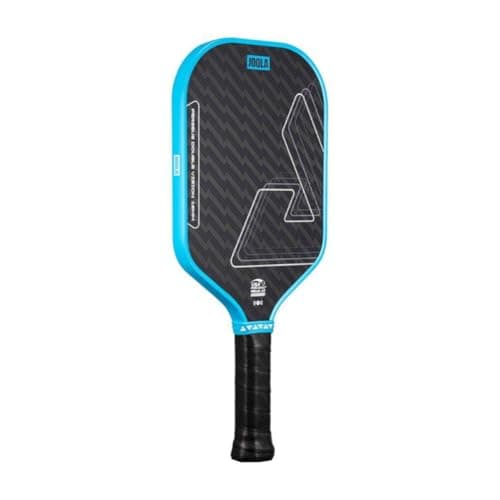 JOOLA Perseus Double Vision 16mm A 16mm paddle whose listing pairs an aramid face for softer touch with a stated vibration-reducing layer. | A player who wants the softest, most muted feel available from a major brand | |
| 2 | 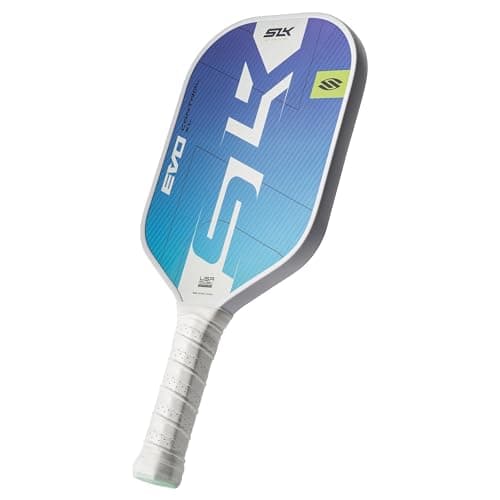 Selkirk SLK Evo Control XL Carbon Fiber A control-oriented carbon paddle from one of the sport's best-known brands, at well under the premium tier. | A first comfort-focused paddle without moving into premium money | |
| 3 | 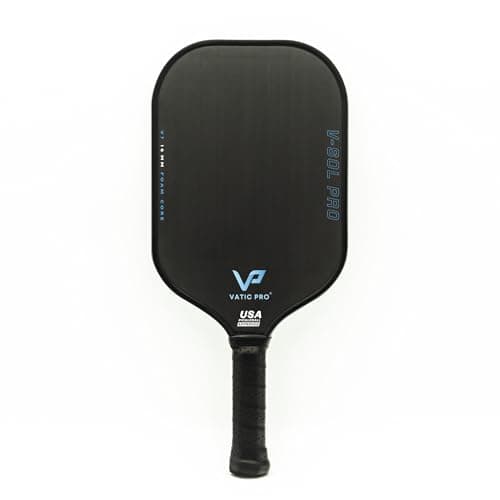 Vatic Pro V-Sol Pro V7 16mm Foam Core A 16mm foam-core paddle from the direct-to-consumer brand players quietly recommend to each other. | Someone who wants the modern damped construction without a tour-brand price | |
| 4 | 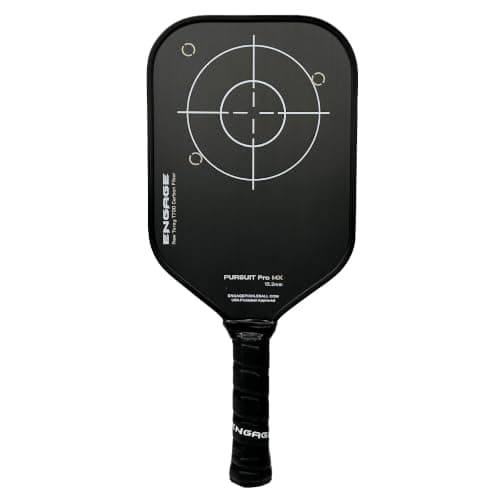 Engage Pursuit Pro MX 15.2mm An elongated raw-carbon paddle whose listing names an edge technology that limits vibration. | The player who wants the manufacturer to have engineered specifically against vibration | |
| 5 | 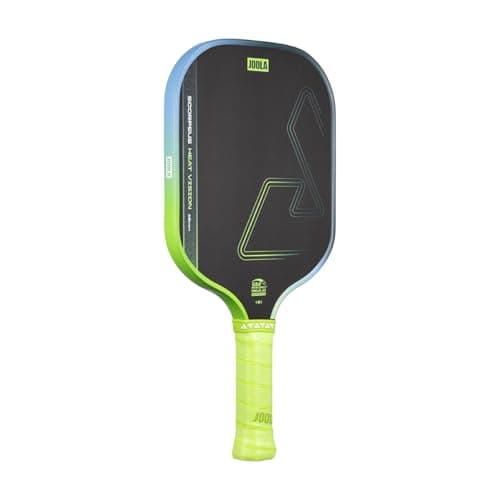 JOOLA SCORPEUS Heat Vision 16mm A standard-shape 16mm JOOLA with the same stated vibration-reducing film as the top pick, at a lower price. | A recognizable tour brand with a stated damping layer, for less | |
| 6 | 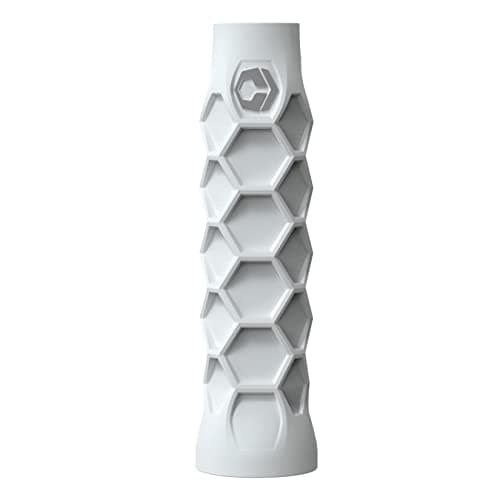 Hesacore Pickleball Paddle Grip A molded grip whose listing claims tennis-elbow support and reduced vibration — for a fraction of a paddle. | Anyone who has not yet changed their grip |
The picks in detail
JOOLA Perseus Double Vision 16mm
Best for: A player who wants the softest, most muted feel available from a major brand
This is the pick that stacks the most comfort-oriented features in one paddle from a brand a player will actually recognize. The listing describes a 16mm core, an "Aramid Surface for Softer Responsive Touch," and "SK Film for Reduced Vibration" — that is a thick, damped core plus a face material chosen for muted feel rather than raw grit, which is the exact combination this page is looking for. Aramid is the fiber family better known as Kevlar, and paddle makers use it precisely because it feels softer off the face than raw carbon does. It is USAP approved, so there is no question about league or tournament play. If the person you are buying for has an elbow that complains and you want to hand them one paddle that changes as many variables as possible in the right direction, this is where to start.
Skip it if: Skip it if they are a hard hitter who loves a lively, poppy paddle — a softer aramid face deliberately gives up some of that snap, and a player who prizes power will notice the trade immediately. The vibration claim is JOOLA's, not a tested result of ours or a medical finding.
Price as of October 25, 2026. #ad · how this works
Selkirk SLK Evo Control XL Carbon Fiber
Best for: A first comfort-focused paddle without moving into premium money
Selkirk is one of the most recognizable names in pickleball and its SLK line is the approachable half of the range, which makes this the sensible pick when you want a genuine control paddle without spending premium-tier money. The listing is explicit that this is the Evo Control model with a carbon fiber face in the XL shape — control models are built around a softer, more damped feel rather than pop, which is exactly the direction a sore forearm wants. The XL shape also gives a slightly longer reach, so a player can meet more balls without lunging, which quietly reduces the number of awkward, off-balance contacts that hurt most. For a gift, the brand does real work too: it reads as chosen by someone who knows the sport rather than picked at random from a marketplace listing.
Skip it if: Skip it if your player already owns a good 16mm control paddle — this is a sideways move rather than an upgrade for them, and the money is better spent on a grip change or a damper. Also skip if they specifically want a raw, gritty spin face, since a control build is not chasing that.
Price as of October 25, 2026. #ad · how this works
Vatic Pro V-Sol Pro V7 16mm Foam Core
Best for: Someone who wants the modern damped construction without a tour-brand price
Foam-filled construction is the current answer to the old complaint that thermoformed paddles feel harsh, and this listing states a 16mm build with a foam core and a paddle cover included. The reason foam matters for this page is straightforward: filling the perimeter changes how the paddle behaves on off-center hits, so a mishit is less of a jolt through the wrist and elbow and more of a dull thud. Vatic Pro built its reputation selling direct rather than through pro-shop distribution, which is why its paddles tend to undercut the tour brands for comparable construction — you are paying for the build rather than the sponsorship budget. It is the value-conscious way to get the current generation of damped design rather than last generation's.
Skip it if: Skip it if your recipient wants a name their club will recognize on sight — Vatic Pro is well known among players who research gear and almost unknown to everyone else, so as a surprise gift it lands flatter than a Selkirk or a JOOLA.
Price as of October 25, 2026. #ad · how this works
Engage Pursuit Pro MX 15.2mm
Best for: The player who wants the manufacturer to have engineered specifically against vibration
Engage is a long-established American pickleball brand with a serious following among players who fuss over feel, and this listing is unusually specific about the thing this page cares about: it names "Vortex Barrier Edge Technology Limits Vibration" alongside a 16mm Control Pro core and a raw carbon fiber face. That is a manufacturer claim rather than a tested result, and it is worth saying so plainly — but it is a claim about the right variable, made by a brand with a real engineering reputation, which is more than most listings offer. The elongated shape adds reach at the cost of a slightly less forgiving sweet spot. Choose it for a committed player who has an elbow complaint but is not willing to give up the feel of a raw carbon face to fix it.
Skip it if: Skip it for a newer or casual player. An elongated raw-carbon paddle is a demanding shape with a smaller effective sweet spot, and more off-center hits is the opposite of what a sore arm needs — a standard-shape control paddle from earlier on this page is the safer call.
Price as of October 25, 2026. #ad · how this works
JOOLA SCORPEUS Heat Vision 16mm
Best for: A recognizable tour brand with a stated damping layer, for less
This is the sensible compromise pick: the same brand and the same named "SK Film for Reduced Vibration" construction as the top pick, in a standard paddle shape and a lower price bracket. The face here is textured carbon rather than aramid, so it is livelier and grippier on the ball — you keep more spin and pop, and you give up some of the muted softness that made the Perseus the top choice. The standard shape is the more forgiving of the two, with a rounder, more central sweet spot, which is genuinely relevant when the goal is fewer jarring off-center hits. For a lot of people this is the better real-world buy: most of the comfort features, a friendlier shape, and money left over for a grip change.
Skip it if: Skip it if maximum softness is the priority — a textured carbon face is stiffer and more lively than the aramid face above, and a player with a badly irritated elbow will feel that difference.
Price as of October 25, 2026. #ad · how this works
Hesacore Pickleball Paddle Grip
Best for: Anyone who has not yet changed their grip
This is deliberately last, and it may well be the most useful item on the page. Before anybody buys a new paddle, the cheap experiment is the handle: a grip that is too thin makes a player squeeze harder, and squeezing harder is the load that aggravates the tendon in the first place. This grip is molded around finger support rather than being a flat strip of tape, and the listing states that it supports tennis elbow, enhances grip strength and reduces vibration. Those are the manufacturer's claims, not our findings and not a medical result — but they are aimed at exactly the right problem, and the whole thing costs a small fraction of any paddle here. If your budget is one item, spend it here first and see whether it is enough.
Skip it if: Skip it if you do not know their grip size, because this is the one product on the page where the wrong size is a wasted purchase rather than a near miss. A plain cushioned overgrip from the grips roundup is the safer blind buy.
Price as of October 25, 2026. #ad · how this works
Frequently asked questions
Can a pickleball paddle cure tennis elbow?
No, and be wary of anything that says otherwise. Tennis elbow is tendon damage from repetitive overuse, as the American Academy of Orthopaedic Surgeons describes it, and equipment does not repair tissue. What a paddle can do is reduce how much shock and load reach the forearm on every contact, which over thousands of impacts is worth having. If the pain has lasted weeks, the right next step is a clinician, not a new paddle.
Is a 16mm or a 14mm paddle better for a sore elbow?
16mm, as a general rule. A thicker core is softer and more damped on contact, which is why 16mm paddles are marketed as control paddles and 13 to 14mm paddles as power paddles. The thinner core gives you more pop, and pop is the same energy coming back through the handle. Every paddle picked on this page is 15mm or thicker for exactly that reason.
Should the paddle be lighter or heavier?
This is the one genuinely two-sided question, so treat any confident answer with suspicion. A lighter paddle is easier on the arm to swing and to maneuver, but it transmits more of the ball's shock into the hand. A heavier paddle absorbs more of that impact but demands more from the shoulder and elbow to move. Most people with elbow trouble land somewhere in the middle rather than at either extreme, and Selkirk's weight guide is a good plain-English walkthrough of the trade-off.
Are vibration dampers legal in pickleball?
Yes. USA Pickleball's Equipment Standards Manual lists prohibited mechanical features and then states directly that vibration dampers are acceptable. The same manual permits changing the grip wrap and using grip-size inserts. So a damper plus a thicker grip on the paddle they already own is a fully legal route, and it is a far cheaper experiment than a new paddle.
Does grip size really matter that much?
It is the change most experienced players try first, and it costs the least. A handle that is too small forces the hand to squeeze harder to stop the paddle twisting on contact, and that sustained squeeze is precisely the load that irritates the tendon. Going up a fraction in circumference with an extra overgrip, or moving to a cushioned or molded grip, changes the load without changing anything else about their game.
What about the advice to use a stiffer, looser-strung racquet?
That advice is real but it is for tennis, not pickleball. The AAOS guidance for racquet sports refers to string tension, and pickleball paddles have no strings, so that specific lever simply does not exist here. What carries across is the general principle: gear that returns less shock to the hand, and gear that actually fits the player, reduces strain. In pickleball that means core thickness, face material, weight and grip size.
Is a new paddle worth it, or should they just rest?
Rest and a proper diagnosis come first — no piece of equipment substitutes for that. Where a paddle earns its money is on the return: if someone has had elbow trouble once, coming back on a thin, poppy power paddle is asking for a repeat, and a thicker, more damped, well-fitted paddle changes the odds. Think of it as reducing the dose rather than treating the condition.
Keep exploring
The wider carbon roundup, when comfort is not the deciding factor.
Pickleball paddle weight guideThe lighter-vs-heavier trade-off, explained without jargon.
Pickleball grip size guideThe cheapest change that reduces how hard the hand has to squeeze.
Best pickleball overgrips and grip tapeCushioned and molded grips, including the one on this page.
Best pickleball paddles for spinThe opposite priority - raw carbon grit rather than a muted face.
Best paddles for seniorsForgiving, damped paddles for the older player.
Sources
Browse another way