Best Gear
The Best Pickleball Paddles for Arthritis
The hands are where osteoarthritis shows up first, and the grip is the part of a paddle almost nobody changes. Start there, and the paddle choice gets easier.
By Stephen V. · Updated October 2026 · How we pick
If you have arthritis in your hands and you are shopping for a paddle, the pick to start with is the JOOLA SCORPEUS Heat Vision 16mm — a 16mm paddle whose listing specifies SK Film for reduced vibration. But the highest-value purchase on this page is not a paddle at all: it is the Hesacore Pickleball Paddle Grip, a contoured grip whose own listing names grip strength and vibration reduction, and which can go onto the paddle you already own for a fraction of what a new paddle costs.
Here is why that order is right. The National Institute of Arthritis and Musculoskeletal and Skin Diseases describes osteoarthritis as the most common form of arthritis, more common in older people, and lists the hands — specifically the ends of the fingers and the base and ends of the thumbs — among the joints most commonly affected. It also notes that as symptoms worsen, ordinary tasks like gripping a pan become difficult. A pickleball paddle is a pan you hold for ninety minutes while a ball hits it. The problem is in the hand and the thumb base, which means the handle is where the money should go first.
What actually helps, in order. First, how much the handle makes your hand close: a contoured or thicker grip lets the hand hold the paddle with less squeeze, and squeezing is what hurts. Second, how much vibration reaches the hand: two of the paddles below specify vibration-damping film in their construction, and a thicker core spreads the impact rather than spiking it — JOOLA's own paddle guide describes 16mm as the control-and-stability thickness. Third, weight, because a paddle you hold up for an hour is a static load on the wrist and thumb as much as a swinging one; Selkirk's weight guide is the clearest published explanation of that trade. Fourth, grip circumference, which Selkirk's grip-size guide covers properly and which is the one spec most buyers never check.
What does not help, despite being heavily marketed. Raw power and spin. A paddle sold on how hard it hits is almost always asking more of your hand, not less — a stiffer, poppier build transmits more of the impact and rewards a firm grip. Likewise, "USAPA approved" tells you a paddle is legal for sanctioned play against the rulebook's size limits and nothing whatsoever about comfort; USA Pickleball caps combined length and width at 24 inches with a 17-inch maximum and sets no weight restriction at all. Treat it as a tick-box.
An honest boundary, stated once. Arthritis is a medical condition and this is a gift and gear site: nothing on this page is a treatment, nobody here is qualified to tell you whether to play, and that conversation belongs with your doctor. What we can do is read specifications carefully and be honest about which claims come from the listing. Note too that arthritis and tennis elbow are different problems — the American Academy of Orthopaedic Surgeons describes tennis elbow as a tendon condition at the outside of the elbow, which is why our tennis-elbow page recommends a different thing: elbow pain is about what the paddle sends up the arm, hand pain is about what the handle asks the fingers to do. If your issue is the elbow, start there instead.
How these picks were chosen. Every one is an existing verified listing in this site's registry, re-checked against the live price layer before publication; no product was added to fill a slot. Nobody here has played with arthritic hands or tested any of this, there is no lab behind this site, and not one rating on this page is invented. They are ordered by how much they reduce what the hand has to do per dollar — which is why a grip and a glove sit among the paddles rather than in a footnote.
Disclosure: Popaddle earns a commission on qualifying purchases made through the links on this page, at no extra cost to you. Prices are pulled live and can change. How this works.
| # | Product | Best for | Price |
|---|---|---|---|
| 1 | 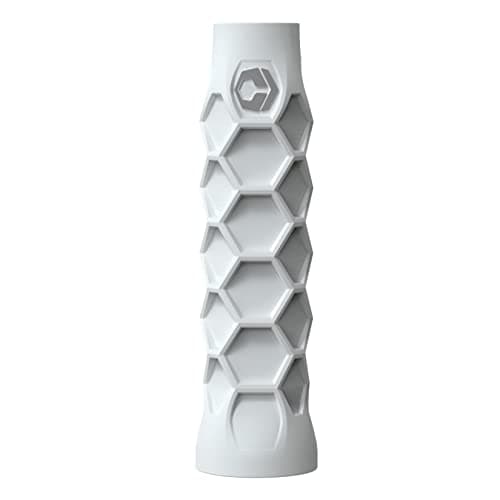 Hesacore Pickleball Paddle Grip A contoured grip whose listing names grip strength, finger support, vibration reduction and anti-sweat. | Anyone with hand or thumb pain who already owns a paddle they like | |
| 2 | 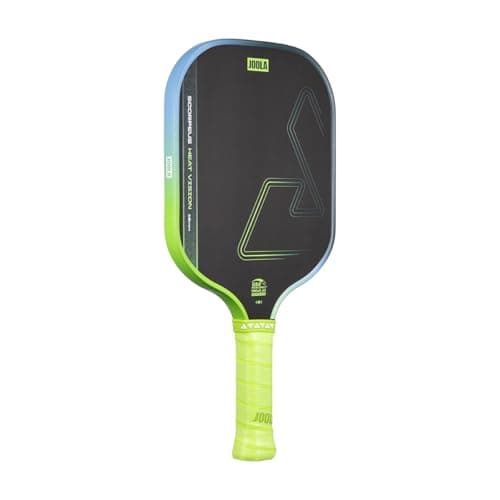 JOOLA SCORPEUS Heat Vision 16mm A 16mm standard-shape paddle whose listing specifies SK Film for reduced vibration. | A player who wants one paddle that asks less of the hand | |
| 3 | 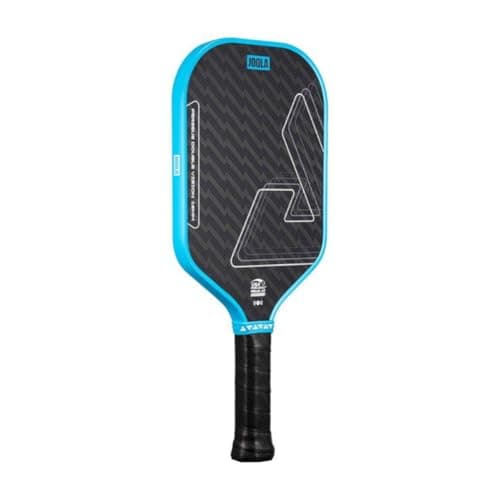 JOOLA Perseus Double Vision 16mm An aramid-faced 16mm paddle, listed for softer responsive touch plus the same vibration-damping film. | A player who will pay for the softest feel available | |
| 4 | 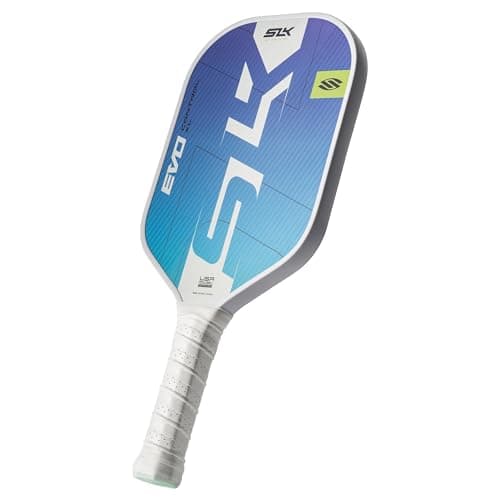 Selkirk SLK Evo Control XL Carbon Fiber Selkirk's carbon-fiber control paddle in the XL shape, from the brand with the clearest published fit guidance. | A player moving to the soft game to spare their hands | |
| 5 | No image Avantic Full-Finger Pickleball Glove A full-finger pickleball glove, offered for right or left hand, for men and women. | Stiff hands, cold mornings, and a grip you cannot keep hold of | |
| 6 | 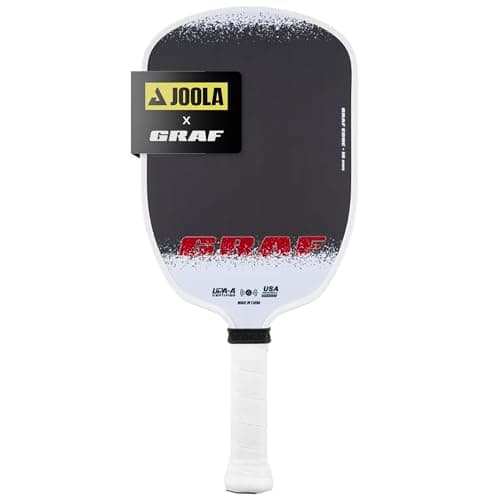 JOOLA GRAF Edge 16mm A carbon-faced 16mm paddle from a major brand, at the bottom of the brand-name range. | A cautious first paddle before committing real money | |
| 7 | 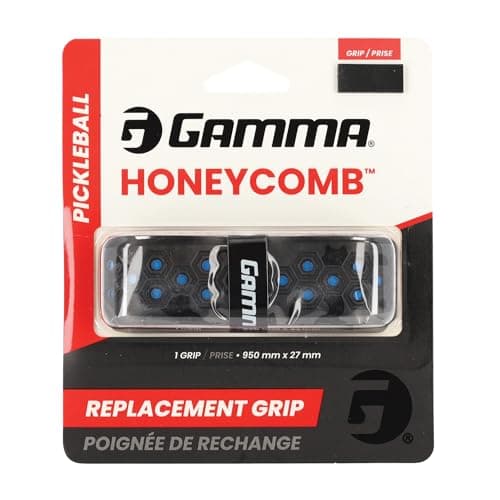 Gamma Honeycomb Cushion Replacement Grip A cushioned replacement grip, listed as moisture-wicking, for a handle that has gone hard and slick. | Replacing a worn, hard handle without changing paddles |
The picks in detail
Hesacore Pickleball Paddle Grip
Best for: Anyone with hand or thumb pain who already owns a paddle they like
This is the cheapest meaningful change available to an arthritic hand, and it is the one we would make first. The Hesacore listing specifies a 5.25-inch, regular-feel grip with finger support, and names supporting tennis elbow, enhancing grip strength and reducing vibration among what it is built to do. The mechanism is simple enough to reason about: a contoured surface gives the fingers something to sit against so the hand can hold the paddle securely without clamping, and clamping is the action that hurts a thumb base. Because it fits onto a paddle you already own, it also answers the awkward case where somebody loves their paddle and does not want a new one.
Skip it if: Skip it if your current grip circumference is already too large for your hand — adding material makes a fat handle fatter, and Selkirk's grip-size guide is worth reading before you buy. Skip it too if you want a drop-in solution with no fitting: a replacement grip takes some care to install, and our overgrips page covers the simpler tape-on alternatives.
Price as of October 25, 2026. #ad · how this works
JOOLA SCORPEUS Heat Vision 16mm
Best for: A player who wants one paddle that asks less of the hand
If you are buying a paddle rather than modifying one, this is the clearest case on the page. The listing specifies a 16mm core and SK Film for reduced vibration, which is the combination that matters here: JOOLA's own paddle guide describes 16mm as the control-and-stability thickness, and a thicker core spreads the impact over more time rather than delivering it as a spike into the hand. The standard shape keeps the weight closer to the hand than an elongated paddle does, which reduces the static load on the wrist over a long session. It is also from a brand with real engineering behind it rather than a listing that simply uses the word comfort.
Skip it if: Skip it if the hand pain is severe enough that the grip is your limiting factor — in that case the Hesacore grip on a paddle you already own is better value, and you can do both later. Skip it too if you specifically want an elongated shape for reach; this is a standard build, and the Perseus below is the elongated-adjacent option.
Price as of October 25, 2026. #ad · how this works
JOOLA Perseus Double Vision 16mm
Best for: A player who will pay for the softest feel available
This is the paddle to buy when comfort is the only brief and the budget is not the constraint. The listing specifies an aramid surface for a softer, more responsive touch alongside the same SK Film vibration damping as the pick above — aramid is the fiber family that includes Kevlar, and it is used in paddle faces precisely because it feels muted rather than sharp. For a player whose hands protest at the end of a long session rather than at the start, a softer face and a 16mm core is the right pair of levers, and this is the only paddle in this registry that pulls both.
Skip it if: Skip it if you are new to the sport. This is a serious paddle at a serious price and the gains over the SCORPEUS are a matter of feel rather than function, which means they are worth most to a player who already knows what they want from a paddle. Skip it too if you want pop: a soft face gives up some free power by design.
Price as of October 25, 2026. #ad · how this works
Selkirk SLK Evo Control XL Carbon Fiber
Best for: A player moving to the soft game to spare their hands
There is a tactical answer to hand pain as well as an equipment one, and this paddle serves it: play more of the soft game. A control paddle rewards placement and touch over power, which means fewer hard blocks and counters and less impact arriving at the hand over the course of a match. The SLK Evo Control listing specifies a carbon fiber face in the XL shape, giving a larger hitting area that is more forgiving of the off-center contact that stings most. Selkirk also publishes genuinely useful grip-size and weight guidance, which makes it an easier brand to buy correctly online.
Skip it if: Skip it if you want to keep hitting hard — a control paddle is a deliberate trade and will feel underpowered to a driver. Skip it too if your hand problem is grip circumference rather than impact; fix the handle first and the paddle choice can wait.
Price as of October 25, 2026. #ad · how this works
Avantic Full-Finger Pickleball Glove
Best for: Stiff hands, cold mornings, and a grip you cannot keep hold of
A glove does two things for an arthritic hand, and the second is the one people forget. The obvious one is grip: a tacky palm means the paddle does not need to be squeezed to stay put, which is the same mechanism as the contoured grip above and stacks with it. The less obvious one is warmth — stiff hands are a well-known morning complaint in osteoarthritis, and a full-finger glove keeps the whole hand covered for the first twenty minutes of play, which is when stiffness is worst. That is why we have chosen the full-finger version over the fingerless one here, where most pickleball advice goes the other way.
Skip it if: Skip it if you lose feel for the ball in gloves — some players never adapt, and the fingerless version of the same glove is the halfway house. Skip it too in high summer heat, where a full-finger glove gets uncomfortable fast and a half-finger glove plus a towel is the better combination.
JOOLA GRAF Edge 16mm
Best for: A cautious first paddle before committing real money
This is the pick for the buyer who is not yet sure whether a thicker, softer paddle helps enough to justify a three-figure purchase. The GRAF Edge listing specifies a carbon fiber face and a 16mm core — the same core thickness as the two JOOLA paddles above, and the specification that does most of the comfort work — from the same brand, for a fraction of the price. What you give up is the named vibration-damping film and the aramid face, which is a real difference in feel but not in category. Buy this, add the Hesacore grip, and you have spent less than the splurge pick while changing both of the variables that matter.
Skip it if: Skip it if you have already decided comfort is worth paying for; the SCORPEUS's vibration-damping film is the thing this paddle does not have. Skip it too if you need a particular grip circumference — the brand paddles above publish more fit detail than this one does.
Price as of October 25, 2026. #ad · how this works
Gamma Honeycomb Cushion Replacement Grip
Best for: Replacing a worn, hard handle without changing paddles
The grip on a paddle that has been played for two seasons is usually the worst part of it: compressed flat, polished smooth, and transmitting far more than it did new. A cushioned replacement grip is the honest fix, and it is a different product from an overgrip — JustPaddles' explainer on the distinction is the clearest we have found, and worth two minutes if you have never replaced one. This one is listed as a honeycomb cushion grip with moisture-wicking, which is the right brief for a hand that cannot afford to clamp down on a slippery handle. It is also the one pick on this page that often shows no live price, in which case you will see a check-price link rather than a number.
Skip it if: Skip it if you want the contoured finger support specifically — the Hesacore above is a different shape of solution and the better first purchase. Skip it too if your handle is already thick for your hand: cushion adds circumference.
Price as of October 25, 2026. #ad · how this works
Frequently asked questions
Can you play pickleball with arthritis?
That is a question for your doctor, not for a gear site, and we are not going to pretend otherwise. What we can say is that the equipment choices are real: the National Institute of Arthritis and Musculoskeletal and Skin Diseases notes that osteoarthritis most commonly affects the hands at the finger ends and the thumb base, and the hand is precisely where a paddle's handle acts. If a doctor has cleared you to play, the picks on this page are aimed at reducing how hard your hand has to work per shot.
What is the single best change for arthritic hands?
The grip, almost always, and it is also the cheapest. A contoured or cushioned grip lets the hand hold the paddle securely without clamping, and clamping is what aggravates a sore thumb base. It costs a fraction of a new paddle and it goes onto the paddle you already own. Only after that is sorted is a new paddle the next lever, and then the specifications to look for are a 16mm core and any named vibration damping.
Should I use a lighter or a heavier paddle with arthritis?
There is no universal answer, which is why we have not invented one. A lighter paddle is less static load on the wrist and thumb over a long session; a slightly heavier paddle absorbs more of the ball's impact instead of passing it to the hand. Selkirk's published weight guide explains that trade properly. In practice, start from whatever you currently play with: if your hands ache from holding the paddle up, go lighter; if they sting on contact, a thicker core matters more than a lower number on the scale.
Is arthritis the same as tennis elbow? Do I want the same paddle?
No to both. The American Academy of Orthopaedic Surgeons describes tennis elbow as a condition of the tendons on the outside of the elbow, usually from overuse — a different tissue and a different place from arthritic finger and thumb joints. The equipment answers diverge accordingly: elbow pain is mostly about how much vibration travels up the arm, so a thick core and damping dominate, while hand pain is mostly about what the handle asks the fingers to do. Our paddles for tennis elbow page is the right page if the pain is in your elbow.
Do gloves help with arthritis in pickleball?
They help with two things, and warmth is the one people forget. A tacky palm reduces how hard you have to squeeze to keep hold of the paddle, which is the same benefit as a contoured grip and stacks with it. And a full-finger glove keeps the whole hand warm through the first part of a session, which is when stiffness is usually worst. Some players never get used to the loss of feel, so it is a cheap experiment rather than a guaranteed win. Our gloves page covers the full set.
Does a thicker paddle core really reduce impact on the hands?
The published reasoning is consistent, and we will put it no stronger than that. JOOLA's own paddle guide describes a 16mm core as the control-and-stability option and thinner cores as the ones that deliver pop — a thicker core deforms more on contact, which spreads the impact over a longer moment instead of delivering it as a spike. Several manufacturers also specify vibration-damping layers between the face and core. Nobody here has measured any of this; what we can tell you is which paddles state it and which do not.
What grip size should I use if my hands hurt?
Measure rather than guess, because this is the spec most buyers get wrong in both directions. Too small and the hand has to clamp to stop the paddle twisting; too large and the fingers cannot wrap enough to feel secure, so you clamp anyway. Selkirk publishes a straightforward method for finding your circumference, and our grip size guide walks through it. If you are between sizes, the usual advice is to take the smaller one and build up with an overgrip, because you can add material but you cannot remove it.
Keep exploring
The elbow version of this problem, which wants a different paddle.
Best paddles for seniorsThe age-led comfort roundup.
Best grips and overgripsEvery grip in this registry, by type.
Best pickleball glovesFull-finger, half-finger and liner options.
Pickleball grip size guideHow to measure instead of guessing.
Paddle weight guideThe swing-weight versus static-load trade.
14mm vs 16mm paddlesWhat core thickness changes on contact.
Best control paddlesThe soft-game answer to hand pain.
Sources
- National Institute of Arthritis and Musculoskeletal and Skin Diseases — Osteoarthritis ("the most common type of arthritis and is more common in older people"; most commonly affected joints include the hands, at the ends of the fingers and the base and ends of the thumbs)
- American Academy of Orthopaedic Surgeons (OrthoInfo) — Tennis Elbow (Lateral Epicondylitis)
- JOOLA — Official Paddle Guide (core thickness: 16mm for control and stability, thinner cores for pop)
- Selkirk Sport — pickleball paddle weight guide
- Selkirk Sport — how to know your pickleball grip size
- JustPaddles — the difference between a pickleball overgrip and a replacement grip
- USA Pickleball — Official Rulebook, Section 2 (2.E.3 paddle size: 24 in combined length and width, 17 in maximum length; 2.E.4 no weight restriction)
- USA Pickleball — Approved equipment database (which paddles are approved for sanctioned play)
Browse another way