Guide
Are Expensive Pickleball Paddles Worth It?
The honest version, written for someone spending their money on somebody else — including the cases where spending less is the better decision.
By Stephen V. · Updated August 2026 · How we pick
The short answer
For a player who plays regularly and has developed some technique: yes, a more expensive paddle is worth it, and they will feel the difference. For a beginner, a casual once-a-month player, or someone who has never picked up a paddle: no, and buying one can actively make their experience slightly worse. That is the honest answer, and it is more nuanced than either "you get what you pay for" or "it's all marketing."
The reason is that expensive paddles are not built to be easier. They are built to be more responsive to what a skilled player does. A raw carbon face rewards a good brushing swing with heavy spin; it does very little for someone still learning to make consistent contact. Meanwhile a cheap fiberglass paddle flexes and adds free power, which is genuinely helpful when you have not yet developed a swing.
So the question is not really "is this paddle better?" It is "is this paddle better for the person I am buying for?" Those are different questions, and the second one is the one that decides whether your money is well spent.
Where the money actually goes
It helps to know what the extra spend buys, because it is specific rather than vague. Above the mid-range, paddles start adding:
- A raw carbon face. Unpainted carbon has more grip than a coated surface, which produces more spin. This is the single most tangible premium feature, and it is real.
- Thermoformed construction. The paddle is molded and sealed as one reinforced piece rather than assembled from parts, which typically gives a bigger sweet spot and a more solid feel.
- Foam-injected edges. Foam in the walls stabilizes off-center hits, so a slightly mishit shot behaves more predictably.
- Tuned shapes and balance. Elongated for reach, wider for forgiveness, weighted toward or away from the handle. These are preference decisions, not upgrades.
Every one of those is a genuine engineering feature. None of them makes a beginner better. They make a capable player's existing skills produce more result, which is exactly why the same paddle is a great gift for one person and a waste for another.
The step that actually matters
If you take one thing from this page, take this: the largest improvement anyone feels in pickleball equipment is the step from a slick fiberglass starter paddle to any genuine carbon paddle. Not from good to premium. Not from premium to elite. The first carbon paddle.
That is because it is a change of material rather than a refinement of one. Carbon's gritty surface grabs the ball for a fraction longer, which unlocks spin and control that simply were not available before. Everything above that point is the same property, delivered slightly better. Our carbon versus fiberglass guide explains the mechanism — and because that texture is the thing that wears, our guide to cleaning a paddle is worth reading before anybody takes an abrasive sponge to one.
For a gift buyer this is genuinely useful, because it means the most impactful paddle gift is usually not the most expensive one. Buying someone their first proper carbon paddle produces a bigger reaction than upgrading an already-good paddle to a slightly better one, and it costs a great deal less. Two questions usually sit underneath this one: whether the current paddle is actually finished, which our how long do pickleball paddles last page answers with four free tests, and whether the player has outgrown it, which our ratings explainer puts in context.
The risk that grows with the price
There is a second reason to think carefully before buying at the top of the market, and it has nothing to do with value. The more committed a player is, the more specific their preferences become — and a paddle is an unusually personal piece of equipment. Weight, grip thickness and balance are the three things experienced players are fussy about, and a paddle that is a touch heavy or a hair thick in the handle can quietly go unused no matter how good it is.
That risk scales with price in an uncomfortable way. Nobody minds much if a modest paddle is not quite right. Spending heavily on a paddle that turns out to be the wrong weight is a genuinely disappointing outcome for both of you, and it is a common one.
There are three clean ways around it. Choose a matched set, which stands as a gift regardless of one person's taste. Keep the gift receipt and say so cheerfully, which experienced players appreciate rather than resent. Or gift around the paddle entirely — a bag, eye protection, a good bottle — and let them choose the paddle themselves. Our accessories roundup is built for exactly that last approach.
The gear this guide points to
Disclosure: Popaddle earns a commission on qualifying purchases made through the links on this page, at no extra cost to you. Prices are pulled live and can change. How this works.
| # | Product | Best for | Price |
|---|---|---|---|
| 1 | 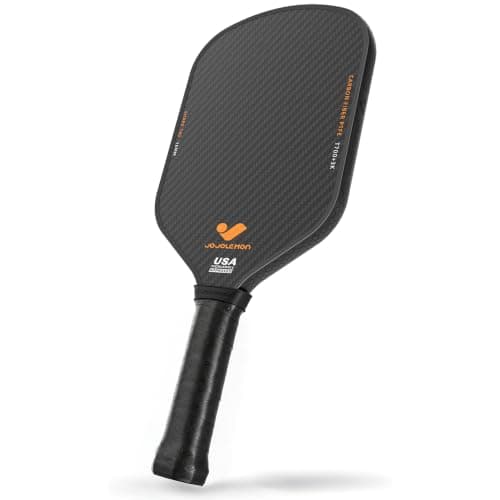 JOJOLEMON Pickleball Paddles Featuring a Raw Carbon Fiber Paddle Raw carbon over a 16mm power polymer core — what premium money actually buys. | A dedicated player with developed technique | $79.99 · View on Amazon $109.99 save 27% |
| 2 | 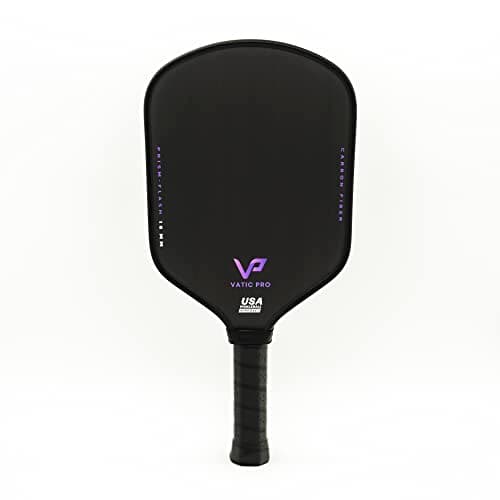 Vatic Pro Prism Flash Carbon Fiber 16mm A 16mm carbon paddle that delivers the real upgrade without the top-tier risk. | Most regular players, most of the time | |
| 3 | 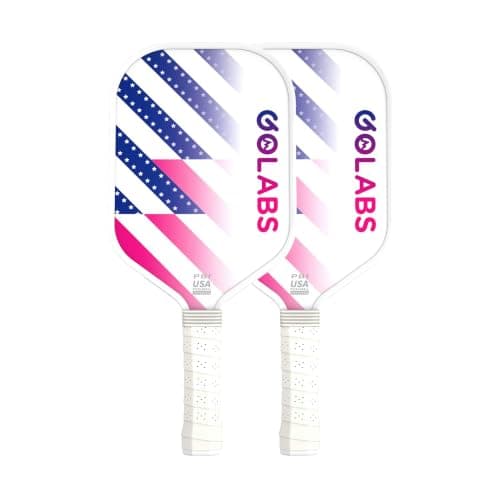 Golabs Pickleball Paddles Set of 2 Two USAPA-approved fiberglass paddles — more useful here than one expensive single. | A beginner, or anyone who does not yet own a paddle |
JOJOLEMON Pickleball Paddles Featuring a Raw Carbon Fiber Paddle
Best for: A dedicated player with developed technique
This is the premium case made concrete. An unpainted raw carbon fiber face grips the ball harder than a coated one, which is the most tangible thing extra money buys in a paddle, and the 16mm power polymer core is built for shot-after-shot consistency rather than beginner forgiveness. It is designed to reward good technique, which is precisely why it belongs with a committed player and nobody else. If your recipient plays several times a week and talks about their soft game, this is a paddle they will genuinely appreciate rather than politely accept.
Skip it if: Skip it for a casual or new player — this is more paddle than they need, and its spin-focused feel asks a lot.
Vatic Pro Prism Flash Carbon Fiber 16mm
Best for: Most regular players, most of the time
For the majority of gift buyers this is the right answer, because it captures the step that actually matters — a genuine carbon face with the grip that produces spin and control — without paying for refinements a non-specialist recipient may not use. It has foam-injected walls that forgive off-center hits, a strong reputation among players who research their own gear, and a cover included. Crucially, if the weight turns out not to be their exact preference, the disappointment is far smaller than it would be at the top of the range.
Price as of October 25, 2026. #ad · how this works
Golabs Pickleball Paddles Set of 2
Best for: A beginner, or anyone who does not yet own a paddle
When the honest answer is that a premium paddle would be wasted, this is what to buy instead, and it is not a consolation prize. Fiberglass flexes and adds free power, which genuinely helps someone who has not yet built a swing, and these are USA Pickleball approved rather than toys. Most importantly there are two of them: pickleball requires a second person, so a pair of modest paddles gets someone playing where one excellent paddle leaves them looking for an opponent with equipment.
Skip it if: Skip it for an experienced player, who has already felt the limits of a fiberglass face.
Price as of October 25, 2026. #ad · how this works
Frequently asked questions
Do expensive pickleball paddles really make a difference?
To a player with developed technique, yes — raw carbon faces, thermoformed construction and foam edges are real engineering, not marketing. To a beginner, much less so, because those features amplify skills they have not built yet. The paddle is better; whether it is better for your recipient is the actual question.
What's the biggest upgrade a pickleball player can feel?
Going from a slick fiberglass starter paddle to any genuine carbon paddle. That is a change of material rather than a refinement, and it unlocks spin and control that were not available before. Every step above it delivers the same property slightly better, at a much worse rate of improvement per dollar.
Is it risky to buy an expensive paddle as a surprise?
Yes, and the risk grows with the price. Committed players are particular about weight, grip thickness and balance, and a paddle that is slightly wrong quietly goes unused. Safer routes are a matched set, keeping the gift receipt, or gifting around the paddle with a bag or accessories.
Could a cheap paddle actually be better for a beginner?
In a real sense, yes. Fiberglass flexes and returns energy, so the ball comes off harder for less effort — which is genuinely helpful when someone is still learning to make consistent contact. A premium paddle asks the player to supply the power and rewards technique they do not have yet.
How do I know if someone is ready for a premium paddle?
Two signals are reliable: they play at least weekly and have done for a year or more, and they talk about specific shots rather than just about playing. If you can also find out their current weight and grip size, you have removed most of the remaining risk.
What should I buy instead if a premium paddle is too risky?
Something adjacent that carries no fit risk at all — a bag, a good insulated bottle, eye protection, or a personalized keepsake. These land well with players who already own equipment, and they leave the paddle decision where it belongs, with the person who has to play with it.
Keep exploring
The price ladder, band by band.
Carbon vs fiberglass paddlesWhy the first carbon paddle is the big step.
Best intermediate paddlesThe band most gift buyers should be in.
Best pickleball accessoriesGifting around the paddle instead.
Best paddles for advanced playersThe paddles the premium money actually buys.
Sources
Browse another way