Guide
JOOLA Perseus Pro IV: A Buyer's Review
Ben Johns' signature paddle, and the one people most often buy for the wrong person. Here is every number JOOLA publishes, what the certification line actually means, and who the paddle is really for.
By Stephen V. · Updated October 2026 · How we pick
What the Perseus Pro IV actually is
The Perseus is JOOLA's Ben Johns signature line, which makes it the most-searched paddle family in the sport and also the most frequently mis-bought. Ben Johns has been the dominant men's player of the modern era, and a paddle with his name on it sells to a lot of people whose game has nothing in common with his. The Pro IV is the current generation of that line, and JOOLA classifies it in its "Professional" tier.
Four things define it, all of them published by JOOLA. The core is polypropylene with an EVA foam wall. The surface is what JOOLA lists as textured CF — carbon fiber with a texture applied, which is the finish that grips the ball and generates spin rather than a slick painted face. The headline technology is TechFlex Power, which JOOLA describes as patent-pending foam placed outside the frame, underneath the edge guard — so the foam is working on the perimeter of the paddle rather than inside the core. And the shape is the Perseus: elongated, in JOOLA's own naming.
The fifth thing is the choice you have to make, and it is the one buyers skip. JOOLA offers the Pro IV in both 14mm and 16mm, and the company's own paddle guide is clear about what that changes: a 16mm core favors control and stability, and thinner cores deliver more pop. These are not better and worse versions of the same paddle; they are two different paddles that look identical in a photograph. This review covers the 16mm.
The honest limits of this review
Nobody on this site has played with this paddle. There is no testing program behind Popaddle, no lab, no hitting notes and no instrumented spin measurements — and a review that invented them would be worth less than one that admits their absence. What follows instead is every figure JOOLA publishes for the Perseus Pro IV 16mm, read against the rulebook and against the paddles this site already carries, plus a judgment about who that published specification suits.
That is genuinely useful at this price, because the specification settles most of what you need to know before spending the money: whether the handle is long enough for a two-handed backhand, whether the grip will fit the hand it is going to, whether the shape is the forgiving one or the reaching one, and whether the certification line will satisfy a tournament desk. It cannot tell you how the paddle feels off the face, and we will not pretend otherwise.
One more thing worth flagging up front, because it is unusual. Retailer spec sheets for this model do not all agree — published weights and grip figures differ between stores selling the same paddle. Every number on this page comes from JOOLA's own product page rather than from a retailer's restatement of it, and where JOOLA does not publish a figure, this page says so rather than borrowing one. Our how we pick page explains exactly what we do and do not do, and it applies here without exception.
The published specification, number by number
These are JOOLA's own published figures for the Perseus Pro IV 16mm, taken from the company's product page for that model.
Two of those rows do more work than the rest. The 16.5 inch length against a 7.5 inch width is the elongated shape in numbers — and it is worth checking against the rulebook, because USA Pickleball caps paddle length at 17 inches and combined length plus width at 24 inches. At 16.5 and 7.5 this paddle is sitting at 24.0 combined: right on the limit, which is where every serious elongated paddle lives. There is no headroom left in the shape, and that is by design rather than by accident.
The other is the 5.5 inch handle. That is a long handle by the standards of this market, and it is the single most practical reason to choose this paddle over a conventional one: a long handle is what makes room for a second hand on the backhand. If the player does not hit a two-handed backhand and has not asked for reach, the handle length is giving them nothing and taking away face area.
Who the specification actually suits
Read the spec sheet as a brief and a specific player falls out of it. Elongated shape, textured carbon face, 16mm core, long handle, 8.1 ounces average: that is a paddle for someone who already makes consistent contact, generates their own spin, and plays enough that reach at the net and on the stretch is worth more to them than a wider sweet spot. In USA Pickleball's own skill vocabulary, that is roughly 3.5 Intermediate and upward.
The reason it matters is the trade the shape makes, and Selkirk's shape guide states it plainly: elongated paddles buy reach by giving up sweet-spot width, while standard and widebody shapes spread the hitting area across a wider face. That trade is excellent for a player who hits the middle of the paddle most of the time and bad for one who does not — and no amount of foam, carbon or patent-pending technology reverses it. A beginner handed this paddle gets a smaller target and a stiffer response, which is the opposite of help.
The 16mm core softens that somewhat, and choosing 16mm over 14mm is the right call for most buyers. JOOLA's own guidance is that a thicker core favors control and stability, which is the half of the brief that makes this paddle livable for a club-level 3.5 rather than only for a tour player. If someone has told you they want more pop and understands the trade, the 14mm version exists. If they have not, buy the 16mm.
The grip figure is worth one line of its own. JOOLA publishes 4.25 inches and notes it may vary slightly, which is the standard adult handle — so for most adult hands it is simply correct, and nothing has to be guessed. Selkirk's measuring method is the one to use if you want to check: measure from the middle crease of the palm to the tip of the ring finger, and when the result falls between sizes, go smaller, because an overgrip adds thickness and nothing removes it. USA Pickleball sets no grip-size restriction at all, so building this handle up is entirely legal.
The certification line, and why it is the most useful row in the table
JOOLA publishes UPA-A certification and USAP certification at PBCoR .43 for this paddle. For a recreational player none of that matters. For anyone who enters sanctioned events it is the row that decides whether the paddle is usable, and it is worth understanding rather than skimming.
PBCoR is a measure of how much energy the paddle face returns to the ball — the paddle's own contribution to how fast the ball leaves it, as distinct from how hard the player swung. A published figure means the paddle has been through the test rather than simply asserted to be compliant, which is more than many listings in this bracket can show.
The important caveat is one this page cannot resolve for you. Approval attaches to a specific model and revision rather than to a brand or a line, and it changes: USA Pickleball's spin-rate limit of 2,100 RPM took effect on October 1, 2026, and textured carbon faces built for spin are exactly the category that limit addresses. Look the exact model up in USA Pickleball's equipment database before an event. That is a thirty-second check at the source, and it is the only place the answer is current — not here.
What it costs, and the one thing to read on the listing
Every price on this site is pulled live from the retailer and stamped with the date it was checked, so the figure under the buy button is the only number worth trusting. In brackets: the Pro IV sits well above the mid-range paddles this site recommends for improving players, and noticeably below the top of JOOLA's own range. JOOLA's own product page currently shows it discounted substantially from its stated original list price, which is normal for a signature paddle a generation into its life and is a good reason to compare the live figure against the direct-from-brand one before buying.
The genuinely important thing to read, though, is not the price. JOOLA's product page carries a note that new orders may ship as the paddle only, without the premium box and bonus accessories the model originally came with. If you are buying this as a present and were picturing the presentation box, read the listing you are actually buying from before you commit — that is the kind of detail that turns a generous gift into an awkward one, and it is not something any review can confirm on your behalf.
The last honest word on value. This is a very good specification and it is also a signature paddle, which means some of what you are paying for is the name on the face. That is a perfectly reasonable thing to want. It is just worth separating from the engineering, because the alternatives below deliver a substantial part of the same specification without it.
The gear this guide points to
Disclosure: Popaddle earns a commission on qualifying purchases made through the links on this page, at no extra cost to you. Prices are pulled live and can change. How this works.
| # | Product | Best for | Price |
|---|---|---|---|
| 1 | 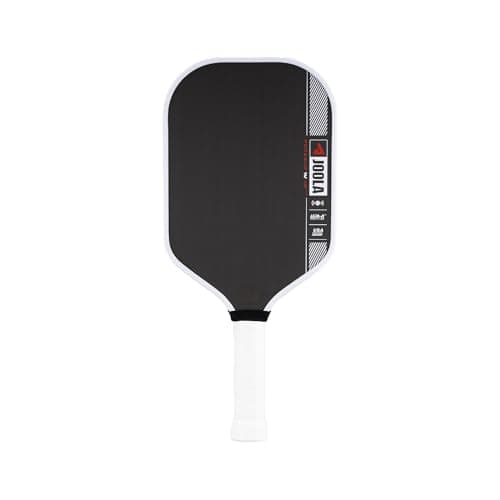 JOOLA Ben Johns Perseus Pro IV 16mm An elongated 16mm paddle on a PP core with an EVA foam wall, a textured carbon face and TechFlex Power foam under the edge guard. | A settled 3.5-plus player who wants reach, spin and a long handle | $149.95 · View on Amazon $193.68 save 23% |
| 2 | 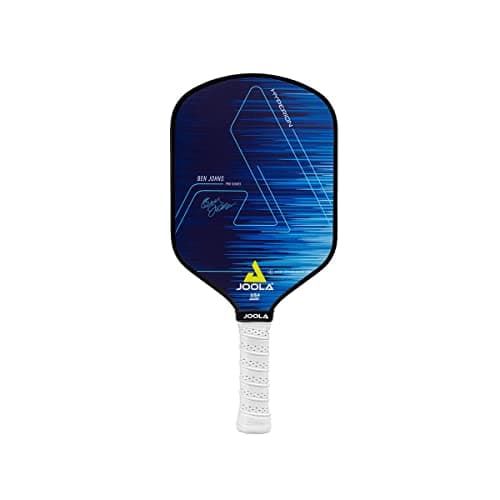 JOOLA Ben Johns Hyperion CAS 16 JOOLA's Hyperion CAS 16 - the earlier Ben Johns flagship, with a carbon surface built for grit and spin. | Someone who has decided on a JOOLA signature paddle and wants the previous flagship | |
| 3 | 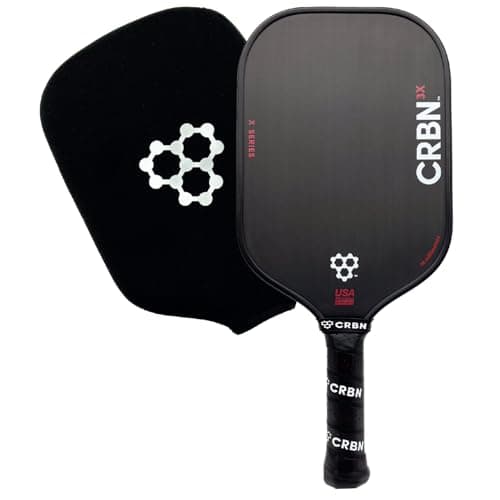 CRBN X Series Power 14mm Carbon Fiber A 14mm carbon paddle with foam-injected edges, listed for an expanded sweet spot, from a brand competitive players take seriously. | A competitive player who wants foam-reinforced carbon without the signature premium | |
| 4 | 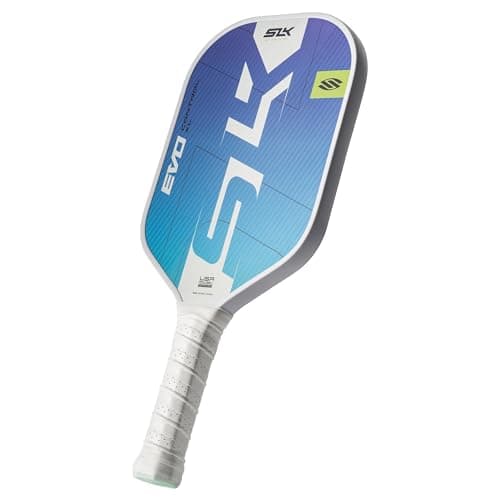 Selkirk SLK Evo Control XL Carbon Fiber A thermoformed, carbon-faced widebody at a fraction of the price - the safe answer when you are not sure. | A buyer who wants a good paddle without guessing the recipient's preferences |
JOOLA Ben Johns Perseus Pro IV 16mm
Best for: A settled 3.5-plus player who wants reach, spin and a long handle
Everything above applies to this listing. The published specification is a 16mm polypropylene core with an EVA foam wall under a textured carbon fiber face, in a 16.5 by 7.5 inch elongated head on a 5.5 inch handle, with a 4.25 inch grip, an average weight of 8.1 oz, UPA-A certification and USAP certification at PBCoR .43. It is the right buy for a player who already finds the middle of the paddle, hits a two-handed backhand or wants reach, and competes often enough for the certification line to matter.
Skip it if: Skip it for a beginner or an improving player outright - an elongated shape narrows the sweet spot exactly when they need it widest, and a signature paddle does not compensate. Skip it too if you are buying a gift and have not been asked for this paddle by name; three of the specifications above are preferences, and gifts go wrong on exactly that kind of specificity.
JOOLA Ben Johns Hyperion CAS 16
Best for: Someone who has decided on a JOOLA signature paddle and wants the previous flagship
This is the paddle to compare against if the brand and the player are settled and the only question is which model. The Hyperion is the generation of Ben Johns signature paddle that preceded the Perseus line, with a carbon surface listed for high grit and spin and an elongated handle, and it typically sits below the Pro IV on price. We have reviewed it separately and in the same way, number by number. Buy it if you want the JOOLA signature brief without paying for the current generation.
Skip it if: Skip it if the player specifically wants the TechFlex Power construction or the Pro IV shape - this is a different and older paddle, not a cheaper version of the same one. Skip it too if you want the published PBCoR figure the Pro IV carries; check the Hyperion listing's own certification before a sanctioned event rather than assuming it transfers.
Price as of October 25, 2026. #ad · how this works
CRBN X Series Power 14mm Carbon Fiber
Best for: A competitive player who wants foam-reinforced carbon without the signature premium
This is the honest alternative for a player who read the sections above and decided they want the engineering rather than the name. The listing specifies a carbon fiber paddle with foam-injected edges for an expanded sweet spot in the X Series Power line at 14mm - foam at the perimeter being the same broad idea as the Pro IV's TechFlex Power, arrived at by a different company. CRBN has real standing among competitive players and spends far less on signature endorsement, which is where a chunk of the price difference goes.
Skip it if: Skip it if the player wants a 16mm core - this is 14mm, which by JOOLA's own framing trades damping for pop, and that is a real difference in feel rather than a detail. Skip it too if a long handle is the point of the purchase; the Pro IV's published 5.5 inch handle is the specification to compare, and you should read the CRBN listing's own figures rather than assuming a match.
Price as of October 25, 2026. #ad · how this works
Selkirk SLK Evo Control XL Carbon Fiber
Best for: A buyer who wants a good paddle without guessing the recipient's preferences
If you came to this page intending to buy a Perseus as a present and the sections above have given you doubts, this is where to go instead. The listing specifies a T700 CarbonFusion face and a Rev-Control honeycomb core, thermoformed, with a large sweet spot - and XL is a widebody shape, which means a wider, more forgiving face than the Pro IV's elongated head. It asks you to guess nothing: a standard grip, a forgiving shape and a mainstream brand with real retail support, for a small fraction of the outlay.
Skip it if: Skip it if the recipient genuinely plays at 4.0 and has asked for an elongated paddle - this is deliberately the forgiving option and they will feel the ceiling. Skip it too if you want a published certification figure for tournament play; the Pro IV publishes one and this listing does not.
Price as of October 25, 2026. #ad · how this works
Frequently asked questions
Is the JOOLA Perseus Pro IV worth the money?
For the right player, yes - and the specification is the reason rather than the name. A 16mm polypropylene core with an EVA foam wall, a textured carbon face, perimeter foam under the edge guard, a published 8.1 oz average weight and USAP certification at PBCoR .43 is a serious paddle on paper. For the wrong player it is worse than a paddle costing a quarter as much, because the elongated shape gives up sweet-spot width to buy reach. We have not hit with it, so we will not tell you it plays better than anything else; what we can tell you is which brief JOOLA publishes and who that brief fits.
Should I buy the 14mm or the 16mm Perseus Pro IV?
16mm for most buyers. JOOLA's own paddle guide describes a 16mm core as the control-and-stability option and thinner cores as the ones that give more pop, and both thicknesses of the Pro IV are sold. The thicker core dampens the ball and widens the part of the face that behaves predictably, which makes the paddle livable for a club-level intermediate rather than only for a tour player. Buy the 14mm only if the player has said they want more pop and understands they are trading forgiveness for it.
What is TechFlex Power?
It is JOOLA's name for the Pro IV generation's construction, and the company describes it as patent-pending foam placed outside the frame, underneath the edge guard. The idea is familiar across this part of the market even if the implementation is proprietary: foam at the perimeter stiffens the edges of the paddle and widens the area of the face that responds consistently. What we will not do is tell you how much difference it makes, because that would require testing we have not done. The specification is real; the magnitude of its effect is not something a review can assert from a spec sheet.
How heavy is the Perseus Pro IV?
JOOLA publishes an average weight of 8.1 oz for the 16mm. Worth knowing that retailers selling the same paddle publish different weight ranges around that figure, which is why this page uses JOOLA's number rather than a store's. USA Pickleball imposes no weight restriction at all, so the market spans a wide range, and the comparison that matters is to whatever the player already uses - a regular player notices a swap of more than about half an ounce inside ten minutes. Selkirk's weight guide sets out the trade: more mass behind the ball versus a quicker paddle at the net.
Is the Perseus Pro IV approved for tournament play?
JOOLA publishes UPA-A certification and USAP certification at PBCoR .43 for this model, which is more than many listings in this bracket can show. Check the exact model in USA Pickleball's equipment database before a sanctioned event anyway: approval attaches to a specific model and revision rather than to a brand or a line, and a spin-rate limit of 2,100 RPM took effect on October 1, 2026 - which is precisely the kind of rule change that moves textured spin-oriented faces on and off the list. The database is the only place that answer is current.
What is PBCoR .43?
PBCoR is a measure of how much energy a paddle face returns to the ball - the paddle's own contribution to ball speed, separate from how hard the player swings. JOOLA lists the Pro IV at PBCoR .43, which means the paddle has been through the test rather than simply asserted to be compliant. For a recreational player this is a number to ignore. For a competitive one it is the figure a tournament desk cares about, and a published value is a meaningful signal of a paddle that has been submitted for certification rather than sold on marketing alone.
Does it come with the premium box and accessories?
Read the listing you are buying from, because JOOLA's own product page notes that new orders may include the paddle only, without the premium box and bonus accessories the model originally shipped with. This is the kind of detail that matters disproportionately for a gift and that no review can confirm on your behalf, since it varies by seller and by stock. If the presentation is part of the present, check before you buy - or buy a paddle plus a cover and a tin of balls and build the box yourself.
Is the Perseus a good first paddle?
No, and this is the clearest recommendation on the page. An elongated 16.5 by 7.5 inch head on a 5.5 inch handle is a shape built to buy reach by narrowing the sweet spot, which is the opposite of what a new or improving player needs - Selkirk's shape guide sets out that trade explicitly. A beginner gets more from a widebody paddle at a quarter of the price, and the money left over covers balls, a bag and a lesson. Our best step-up paddles page is the right place to shop for a player who has outgrown a starter set but is not yet at 3.5.
Keep exploring
The previous Ben Johns flagship, reviewed the same way.
Best JOOLA pickleball paddlesWhere the Perseus sits in JOOLA's ladder.
Best step-up paddlesWhat to buy instead if this is a gift.
Vatic Pro Prism Flash reviewA direct-to-consumer paddle, reviewed the same way.
Six Zero Double Black Diamond reviewAnother flagship, number by number.
Elongated vs standard paddlesThe trade the Perseus shape makes.
Paddle thickness guide14mm or 16mm, and what each one buys.
Best ONIX pickleball paddlesA different brand's whole ladder, model by model.
Sources
- JOOLA — Perseus Pro IV 16mm product page (14mm or 16mm; PP core + EVA foam wall; Textured CF surface; patent-pending TechFlex Power (TFP) foam placed outside the frame under the edge guard; Perseus elongated shape; 16.5 in length; 7.5 in width; 5.5 in grip length; 4.25 in grip circumference, "may vary slightly"; Feel-Tec grip; 8.1 oz average weight; UPA-A certified; USAP certified at PBCoR .43; Professional class; 12-month warranty with registration; SKU 300811; signature athlete Ben Johns)
- JOOLA — Official Paddle Guide (core thickness: 16mm for control and stability, thinner cores for pop)
- Selkirk Sport — the ultimate guide to pickleball paddle shapes (standard/widebody shapes spread the hitting area; elongated shapes trade sweet-spot width for reach)
- Selkirk Sport — how to know your pickleball grip size (measure from the middle crease of the palm to the tip of the ring finger; when between sizes, go smaller and build up with an overgrip)
- Selkirk Sport — pickleball paddle weight guide
- USA Pickleball — Player Skill Levels (2.5 Beginner, 3.0 Advanced Beginner, 3.5 Intermediate, 4.0 Advanced Intermediate, 4.5 Advanced, 5.0 Expert)
- USA Pickleball — Official Rulebook (2.E.3 paddle size: 24 in combined length and width, 17 in maximum length; 2.E.4 no weight restriction; no grip-size restriction)
- USA Pickleball — Approved equipment database (which paddles are approved for sanctioned play)
- USA Pickleball — Update regarding the spin rate test and implementation timeline (2,100 RPM limit, effective 2026-10-01)
Browse another way