Best Gear
The Best Pickleball Paddles Under $150
This is the most interesting price band in the category: everything the sport's construction arms race invented is available under $150, and almost nothing above it is new. Here is which one to buy.
By Stephen V. · Updated November 2026 · How we pick
The short version: buy the JOOLA Ben Johns Hyperion CAS 16. It is a signature-line flagship with a 16mm carbon face, a published 8.3 oz weight and USAP approval, and it sits comfortably under the line rather than scraping beneath it. The best value on this page is the Paddletek Phoenix Talon 14mm, which publishes a raw carbon face and a polypropylene honeycomb core for a clear step down in price from the top pick. The budget pick is the Selkirk SLK Evo Control XL at around a third of the ceiling, and it is the single most surprising listing in this band because it publishes a thermoformed build and a T700 carbon face at a price most brands charge for painted fiberglass.
Here is why $150 is the band worth understanding, and the honest version is blunter than a price cap usually allows. Of the single paddles in this site's registry, thirty-five carry a live price under $150 and exactly two sit above it at the time of writing - a Six Zero at around $180 and a Selkirk control flagship near $200. The line is not where the shelf splits; it is roughly where the shelf ends. Paddle construction changed fast between 2023 and 2026, and the three things that changed - a raw, unpainted carbon hitting surface, a thermoformed one-piece body, and foam either injected around the perimeter or filling the core - all now appear on listings well under this ceiling. Above it you are buying the current season of a signature line, a brand's own retail service, or a newer version of a construction you can already get. Those are real things to want. They are not a different category of paddle, and anyone telling a new intermediate that they must spend $200 to own a current-generation paddle is wrong.
What the money actually buys as you climb this band, in order. Under about $60 you get a carbon or fiberglass face bonded to a honeycomb core in a conventional cold-pressed build, and one listing here beats that description by a wide margin. Between about $90 and $125 you get raw carbon faces, published weights, and foam somewhere in the build - this is the sweet spot of the band and four picks live here. From about $125 to the $150 ceiling you get current-season signature models, foam-injected edges and full-foam cores. Nothing in that ladder is about legality or approval: USA Pickleball's rulebook caps a paddle at 17 inches long and 24 inches of combined length and width, puts no limit on weight, and says nothing at all about core thickness or face material, so a $50 paddle and a $150 paddle clear exactly the same bar.
The one specification that decides this purchase is core thickness, and it is also the one most buyers guess at. JOOLA's own paddle guide is unusually direct about it: 16mm is the choice for control and stability, and thinner cores deliver pop. A thicker core flexes and absorbs, so the ball sits on the face a fraction longer and leaves with less free pace, which is what people mean by control and forgiveness. A thinner core returns more of the ball's energy, so you get speed you did not have to generate, a smaller effective sweet spot and more buzz on an off-center hit. Five picks below are 16mm and three are 14mm, and each one says which it is. If you have no idea which to choose, choose 16mm: the failure mode of a thick core is that you have to swing a little harder, and the failure mode of a thin core is that balls fly long.
Shape is the second filter, and it is where the most expensive mistake in this band gets made. Selkirk's shape guide puts the trade plainly - standard and widebody outlines spread the hitting area, while elongated outlines trade sweet-spot width for reach - and the rulebook is why the trade cannot be avoided: with 24 inches of combined length and width to spend, every inch of extra length comes out of the width. Elongated paddles with long handles are what the pro game uses and what signature lines advertise, so they are heavily represented at the top of this band. They are also the wrong recommendation for most buyers at 3.0 to 3.5 level, who gain more from a bigger sweet spot than from two inches of reach. Three picks here are elongated and they say so in the first line.
A note on spin claims, because this band is full of them and the rules are about to change. USA Pickleball has published a spin rate test with a 2,100 RPM maximum taking effect from October 1, 2026, and brands have been advertising spin numbers against it. Nothing on this page quotes a spin figure as a performance promise, and nothing here claims a paddle will be banned or grandfathered, because approval status belongs in one place: USA Pickleball's own approved equipment database, which lists current status model by model. If the paddle is for sanctioned tournament play, check the exact model there before buying - not the listing, and not this page.
Grip is the thing nobody checks and everybody notices. Two picks here publish a handle length and one publishes a grip circumference; the rest do not. Selkirk's grip-size guidance is to measure from the middle crease of the palm to the tip of the ring finger, and - critically for a gift - when you are between sizes, go smaller and build the handle up with an overgrip, because material can be added and never removed. A long handle is what makes a two-handed backhand practical, so if the recipient plays with two hands on the backhand, handle length is the first filter and everything else on this page is the second.
The honesty section. Nobody on this site has hit with any of these paddles. There is no lab, no ball machine, no testing program behind Popaddle, and not one swing weight, spin rating, durability judgment or feel description below is presented as measured by us. Every core thickness, face material, published weight, handle length and certification claim is repeated from the live retail listing it describes, and the construction context is sourced to JOOLA, Selkirk and USA Pickleball at the foot of the page. Where a brand does not publish a figure - and several here do not publish a static weight - this page does not supply one. Prices in this band move weekly and several of these listings have moved more than $30 in the last quarter, so no number is typed into this copy: every price renders live from this site's price layer with its own "Price as of" date under its own button. If a pick has crossed $150 since this page was written, the live figure will tell you before you click.
Disclosure: Popaddle earns a commission on qualifying purchases made through the links on this page, at no extra cost to you. Prices are pulled live and can change. How this works.
| # | Product | Best for | Price |
|---|---|---|---|
| 1 | 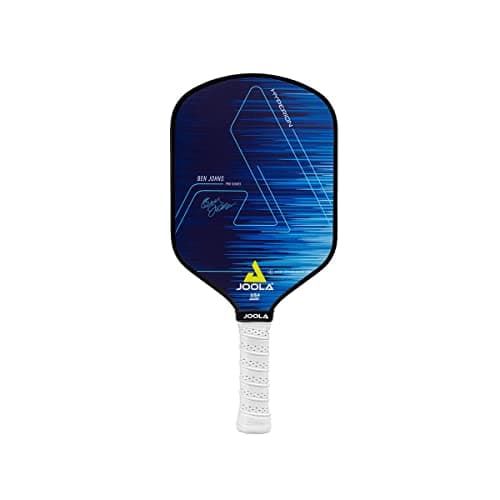 JOOLA Ben Johns Hyperion CAS 16 A Ben Johns signature flagship with a published 16mm carbon face, 8.3 oz weight and USAP approval, well inside the line. | An improving intermediate who wants a flagship paddle and does not want to spend $200 | $69.95 · View on Amazon $119.95 save 42% |
| 2 | 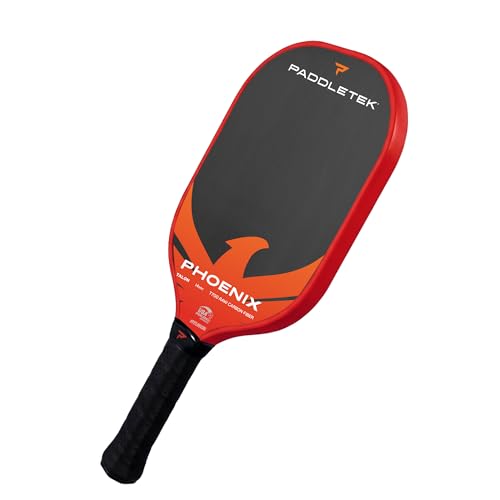 Paddletek Phoenix Talon 14mm A raw carbon face over a polypropylene honeycomb core with a 5.25 in handle, USAPA approved, and a clear step down in price from the top pick. | A player who wants raw carbon and a published handle length without crossing $100 | |
| 3 | 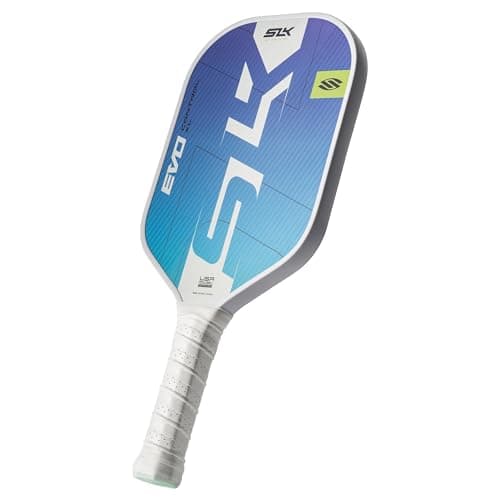 Selkirk SLK Evo Control XL Carbon Fiber A thermoformed paddle with a T700 carbon face and a Rev-Control core at around a third of the ceiling - the biggest specification-per-dollar listing in this band. | A beginner's first real paddle, or a second paddle to lend to whoever showed up without one | $39.99 · View on Amazon $79.99 save 50% |
| 4 | 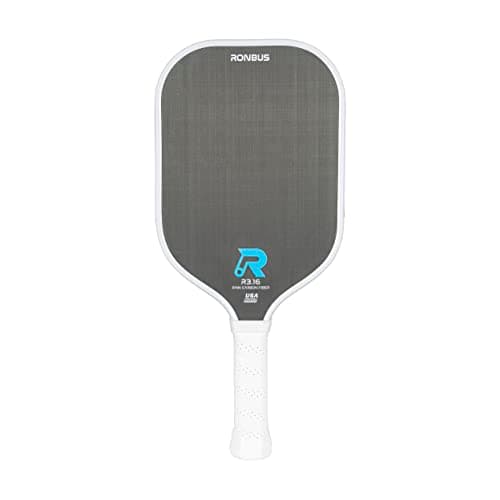 Ronbus R3.16 Raw Toray T700 Carbon Fiber 16mm Raw Toray T700 carbon over a 16mm polypropylene honeycomb core - the control specification, at the middle of the band. | A 3.5-and-up player who shapes shots rather than ending rallies, and wants raw Toray T700 | $79.99 · View on Amazon $99.99 save 20% |
| 5 | 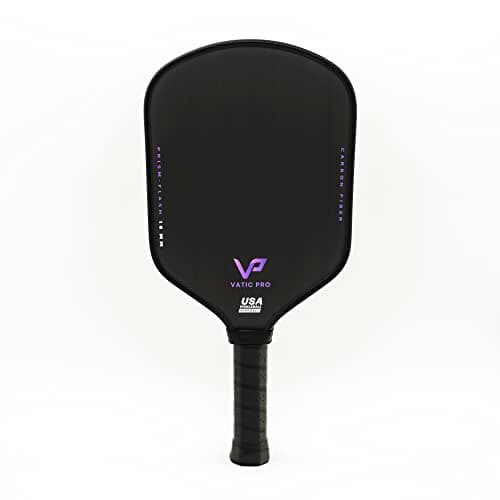 Vatic Pro Prism Flash Carbon Fiber 16mm A 16mm carbon paddle with foam-injected walls and a cover in the box, at under $100. | A player who wants a foam-walled 16mm carbon paddle and buys on specification rather than on brand | $79.99 · View on Amazon $99.99 save 20% |
| 6 | 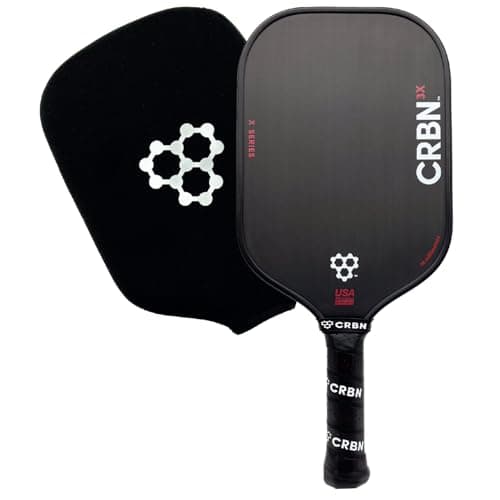 CRBN X Series Power 14mm Carbon Fiber A 14mm carbon paddle with foam-injected edges for an expanded sweet spot, from the brand that made the shape famous. | A player whose complaint is that they cannot finish a point, not that they miss | |
| 7 | 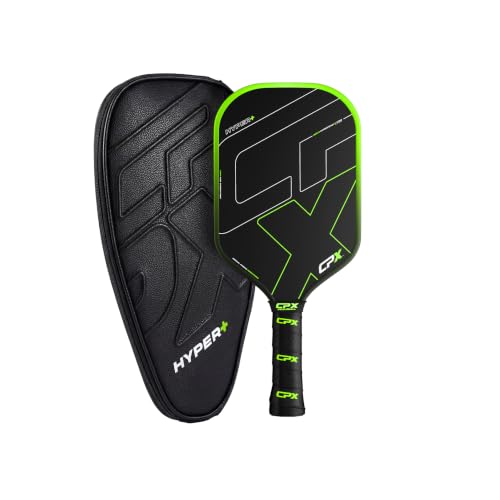 CPX Hyper+ Full Foam 14mm A full-foam core rather than foam at the edges - the current frontier of paddle construction, at the top of the band. | A curious intermediate who wants the newest construction in the category and will accept a thin spec sheet | $99.99 · View on Amazon $149.99 save 33% |
| 8 | 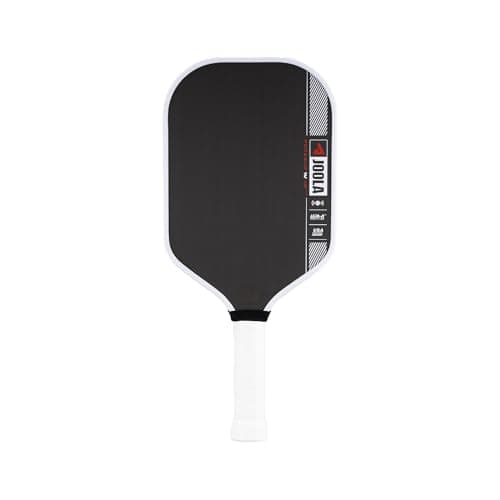 JOOLA Ben Johns Perseus Pro IV 16mm The current Ben Johns signature paddle - elongated, 16mm, 8.1 oz, UPA-A certified - landing just under $150. | A committed player who wants JOOLA's current signature flagship and will use the reach |
The picks in detail
JOOLA Ben Johns Hyperion CAS 16
Best for: An improving intermediate who wants a flagship paddle and does not want to spend $200
This is the paddle to buy if you want one answer and no homework. The listing specifies a JOOLA Ben Johns Hyperion CAS 16 with a carbon fiber face, a 16mm honeycomb core, USAP approval, 8.3 oz and an elongated handle. Three of those matter more than the name. A published weight is rarer in this band than it should be, and 8.3 oz is on the heavier side of midweight, which means pace you do not have to generate and a paddle that stays stable when the ball arrives fast. The 16mm core is the forgiving choice, which is the right pairing with an elongated head. And the elongated handle is what makes a two-handed backhand workable. We have written a full review of this paddle that lays out every figure JOOLA publishes for it, including the places retailer spec sheets disagree.
Skip it if: Skip it if the player is new to the sport - this is a lot of paddle for someone still learning where the ball goes, and the budget pick below will teach them the same shots for well under half the money. Skip it too if they want the current generation of the signature line specifically: the Perseus Pro IV at the top of this band is JOOLA's current Ben Johns paddle, and the CAS is the previous one. That is why it costs what it does, and this page would rather say so than let you find out later.
Paddletek Phoenix Talon 14mm
Best for: A player who wants raw carbon and a published handle length without crossing $100
Buy this one if the top pick is more money than the job needs. The listing specifies a Paddletek Phoenix Talon 14mm with a raw carbon fiber face, balanced control and spin, a polypropylene honeycomb core, USAPA approval and a 5.25-inch handle. Raw carbon is the specification worth chasing in this band: an unpainted, textured carbon surface is what lets a player brush up the back of the ball and make it dip, and paint over carbon does not do the same job. Paddletek is also a long-established US brand rather than a marketplace label, which matters if a warranty claim is ever in your future. The published handle length is the detail that earns it the value slot - at 5.25 inches a two-handed backhand is practical, and almost nothing else near this price tells you that.
Skip it if: Skip it if balls already sail long on you, because the 14mm core is the livelier of the two thicknesses and it will not help - the 16mm picks on this page are the forgiving ones. Skip it too if brand recognition is part of a gift, where the JOOLA and Selkirk names above and below do work on the unwrapping that a specification sheet cannot.
Price as of November 22, 2026. #ad · how this works
Selkirk SLK Evo Control XL Carbon Fiber
Best for: A beginner's first real paddle, or a second paddle to lend to whoever showed up without one
This is the budget pick and it does not read like one. The listing specifies a Selkirk SLK Evo Control paddle in the Carbon Fiber XL shape, with a T700 CarbonFusion face and a Rev-Control honeycomb core, thermoformed for a large sweet spot. Read that again, because it is the reason this paddle is on a page about $150 paddles: thermoforming and a T700-grade carbon face are the two construction features that defined the expensive end of the market two years ago, and this listing publishes both at a third of this page's ceiling. The XL shape is also the right call for the buyer this pick serves - a widebody outline spreads the hitting area, which is exactly what Selkirk's own shape guide says and exactly what a new player needs. Selkirk is a US brand with real retail presence, which is the other thing you are not giving up here.
Skip it if: Skip it if the recipient is an established 4.0 who has already settled on a thinner core or an elongated head, because this is a control-first widebody and it will feel like a step sideways. Skip it too if you want a published static weight, which this listing does not give - if weight is the deciding specification, the two JOOLA picks on this page publish theirs.
Ronbus R3.16 Raw Toray T700 Carbon Fiber 16mm
Best for: A 3.5-and-up player who shapes shots rather than ending rallies, and wants raw Toray T700
This is the pick for the player whose game is placement. The listing specifies a Ronbus raw Toray T700 carbon fiber paddle with a 16 mm polypropylene honeycomb core, and T700 is a specific carbon grade rather than a marketing word - it is the same grade the most-recommended control paddles in the sport publish. Pair it with 16mm and you have the full control recipe, which per JOOLA's own guide is the thickness chosen for control and stability. Ronbus is a direct-to-consumer brand whose reputation was built on exactly this trade: published-grade materials, not much marketing. If you have read about the control paddles that get recommended on forums and want that construction without the flagship price, this is the listing that publishes it.
Skip it if: Skip it if you want one model with one shape, because this is a multi-model listing - it covers the R1, R2 and R3 in 16mm and the variant you receive depends on the option you select, so read the dropdown rather than the title. Skip it too if put-away power is the complaint you are trying to fix; a thick core and a control face are the wrong tools, and the CRBN power pick below is the right one.
Vatic Pro Prism Flash Carbon Fiber 16mm
Best for: A player who wants a foam-walled 16mm carbon paddle and buys on specification rather than on brand
Buy this one if you shop by construction and do not care whose logo is on the throat. The listing specifies a Vatic Pro Prism Flash with a carbon fiber face, a 16mm core, foam-injected walls and an included paddle cover. Foam in the walls is the feature doing the work: filling the perimeter cavity stiffens the frame and pushes the usable hitting area outward, which is the whole reason foam showed up in paddles in the first place. Getting that plus a 16mm core plus a cover under $100 is the best construction-per-dollar on this page after the budget pick. We have written a full review of this paddle, including the specification Vatic Pro publishes and the one it does not.
Skip it if: Skip it if you need to know what the paddle weighs before you buy, because Vatic Pro does not publish a static weight for this model - that is the single biggest caution on this listing and our review says so at length. Skip it too if the paddle is a gift for someone who shops by brand; Vatic Pro is a name players find on forums rather than on a shelf, and that is a strange present to unwrap.
CRBN X Series Power 14mm Carbon Fiber
Best for: A player whose complaint is that they cannot finish a point, not that they miss
This is the pick when the problem is pace. The listing specifies a CRBN X Series Power carbon fiber paddle in 3X 14mm with foam injected edges for an expanded sweet spot - which is the two-part answer to the usual objection about thin cores. The 14mm core returns more of the ball's energy, so the paddle supplies speed the player does not have to generate; the foam at the edges is there to claw back the sweet spot that thin cores normally cost you. CRBN is one of the handful of brands a serious club player will recognize instantly, and this listing sits right at the top of the band rather than above it. If the honest diagnosis is that someone is accurate but gets out-hit, this is the paddle on this page built for them.
Skip it if: Skip it for anyone below about 3.5, because a power paddle amplifies the error that costs beginners the most - the ball that was always going to be long is now longer. Skip it too if they play mostly soft-game doubles at the kitchen line, where the control picks above will win more points than extra pace ever does.
Price as of November 22, 2026. #ad · how this works
CPX Hyper+ Full Foam 14mm
Best for: A curious intermediate who wants the newest construction in the category and will accept a thin spec sheet
This is the most technically interesting listing on this page. The listing specifies a CPX Hyper+ Series Full Foam paddle with Hyperfoam X Core technology in 14mm. Full foam is a genuinely different construction from everything else here: instead of a honeycomb core with foam injected around the perimeter, the whole core is foam, which changes how the face deforms and how the ball comes off it. It is the direction the expensive end of the market has been moving, and this listing puts it at the ceiling of this band rather than above it. For a player who has already owned a honeycomb paddle and wants to feel what the argument is about, this is the one to try.
Skip it if: Skip it if you want a specification sheet, because this listing publishes very little beyond the core technology and the thickness - no weight, no handle length, no certification statement - and this page will not fill those gaps with guesses. Skip it too if the paddle is for sanctioned tournament play, where you should confirm the exact model in USA Pickleball's approved equipment database first rather than assume.
JOOLA Ben Johns Perseus Pro IV 16mm
Best for: A committed player who wants JOOLA's current signature flagship and will use the reach
This is the top of the band and the reason to be here is currency. The listing specifies a JOOLA Ben Johns Perseus Pro IV 16mm with a carbon fiber face, an elongated shape, a textured surface, 8.1 oz, a 5.5-inch grip, Tech Flex Power, USAP approval and UPA-A certification. UPA-A certification is the part worth noticing: it is the pro-tour sanctioning body's approval, it is not on most listings in this band, and it is the difference between a flagship and a paddle that looks like one. The 5.5-inch handle is the longest published on this page, which makes it the two-handed-backhand pick by default. Our full review goes through every figure JOOLA publishes for it, including where retailer spec sheets contradict each other.
Skip it if: Skip it if this would be someone's first or second paddle. An elongated head on a thick core is a specialist's tool - per Selkirk's shape guide you are trading sweet-spot width for reach - and a new player will mis-hit it more than they would a widebody. Skip it too if the budget is genuinely $150: this one sits close enough to the ceiling that a small price move puts it over, and the live figure on the button is the one that counts.
Price as of November 22, 2026. #ad · how this works
Frequently asked questions
Is $150 enough to buy a good pickleball paddle?
Yes - it is arguably more than enough. Every construction feature the category markets heavily is available under $150: raw carbon faces, thermoformed one-piece bodies, foam-injected perimeters and full-foam cores all appear on picks on this page. USA Pickleball's rulebook puts no limit on core thickness, face material or weight, so nothing above this line clears a bar that nothing below it clears. What crossing $150 generally buys is the current season of a signature line, a brand's own retail and warranty service, or the newest version of a construction that already exists lower down. Those are real reasons to spend more. A better paddle in a structural sense is not one of them.
What is the difference between a $50 paddle and a $150 paddle?
Three things, in descending order of how much you will notice them. First, the hitting surface: cheap paddles often use painted or fiberglass faces, and the expensive ones use unpainted textured carbon, which grips the ball and lets you brush spin onto it. Second, the construction: thermoformed one-piece bodies and foam in the frame are stiffer and push the usable area outward, which is why mis-hits stay in play. Third, published information - more expensive listings tend to tell you the weight, the handle length and the certification, and cheaper ones often do not. The budget pick on this page is the exception that proves the pattern: it publishes a thermoformed build and a T700 carbon face at around a third of the ceiling.
Should I buy 14mm or 16mm?
16mm if you are not sure. JOOLA's own paddle guide describes 16mm as the choice for control and stability and thinner cores as the ones that deliver pop, and the practical version is this: a thick core absorbs, so you swing a bit harder but mis-hits stay on the court; a thin core returns energy, so you get free pace and a smaller margin for error. Five picks on this page are 16mm and three are 14mm. Buy 14mm only if the honest diagnosis is that the player is accurate and gets out-hit. Buy 16mm if balls sail long, if mis-hits are common, or if the paddle is a gift and you cannot ask.
Are all of these USA Pickleball approved?
Most of these listings state USAP approval or UPA-A certification and two do not state anything about it. That is exactly why this page does not treat approval as settled: approval is per model and per generation, brands revise paddles without renaming them, and a retail listing is not an authoritative record. USA Pickleball maintains an approved equipment database that lists current status model by model, and USA Pickleball has also published a spin rate test with a 2,100 RPM maximum taking effect from October 1, 2026. If the paddle is for sanctioned tournament play, check the exact model in that database before you buy. For recreational and club play, none of it matters.
Does a more expensive paddle actually make you play better?
It changes what the paddle rewards, which is not the same thing. A raw carbon face genuinely grips the ball more than paint, so a player who already brushes up on the ball will get more spin from it. A thicker core genuinely absorbs more, so a player who mis-hits will keep more balls in play. A thinner core genuinely returns more energy, so a player who struggles to finish gets pace for free. None of that is placebo. But the paddle cannot supply a skill that is not there, and the most common way to waste money in this band is to buy an elongated power paddle for a player whose actual problem is that they stand too far back at the kitchen line.
How were these chosen, and have you tested them?
No, and that is the first thing to say. Nobody on this site has hit with any of these paddles, there is no testing program behind Popaddle, and no rating, swing weight, spin figure or feel judgment here is ours. The shortlist is every paddle in this site's registry carrying a live price under $150, filtered to listings the Creators API reported as In Stock on the day this page was written - listings reporting low stock were excluded, which is why several well-known paddles in this band are absent - and then sorted so that each pick covers a different player rather than a different price point. Every specification is repeated from the listing it describes; the construction and shape context is sourced to JOOLA, Selkirk and USA Pickleball below. Prices render live, so if a pick has crossed the line since publication the button tells you before you click.
Keep exploring
The rung where JOOLA, Selkirk, ONIX and Paddletek all have a paddle under the line.
Best pickleball paddles under $100The rung below - where raw carbon starts and signature names stop.
Best pickleball paddles under $200The rung above, and what the extra fifty dollars actually adds.
Six Zero Double Black Diamond alternativesThe $180 control paddle people shop against, and what matches it under the line.
Pickleball paddle thickness: 14mm vs 16mmThe one specification on this page worth reading about properly.
How much do pickleball paddles cost?Every price band in the category, and what each one buys.
JOOLA Hyperion CAS 16 reviewEvery figure JOOLA publishes for the top pick on this page.
Sources
- JOOLA — Official Paddle Guide (core thickness: 16mm for control and stability, thinner cores for pop)
- Selkirk Sport — the ultimate guide to pickleball paddle shapes (standard/widebody shapes spread the hitting area; elongated shapes trade sweet-spot width for reach)
- Selkirk Sport — how to know your pickleball grip size (measure from the middle crease of the palm to the tip of the ring finger; when between sizes, go smaller and build up with an overgrip)
- USA Pickleball — Official Rulebook, Section 2 (2.E.3 paddle size: 24 in combined length and width, 17 in maximum length; 2.E.4 no weight restriction; no core-thickness limit)
- USA Pickleball — update regarding the spin rate test and implementation timeline (2,100 RPM maximum from October 1, 2026)
- USA Pickleball — Approved equipment database (current approval status, paddle by paddle)
Browse another way