Best Gear
Six Zero Double Black Diamond Alternatives
The DBD is a thermoformed control paddle with a raw Toray T700 carbon face over a thick honeycomb core. Here is what that actually means, and which paddles match each part of it.
By Stephen V. · Updated November 2026 · How we pick
The verdict: buy the Ronbus raw Toray T700 carbon paddle with the 16mm polypropylene honeycomb core. It is the closest like-for-like match on this page, because it publishes the same two specifications that define the Double Black Diamond - a raw Toray T700 carbon hitting surface and a thick honeycomb core - from another direct-to-consumer brand, at meaningfully less money. The budget pick is the Paddletek Phoenix Talon 14mm at a little over half the DBD's price, which keeps the raw carbon face and gives up the core thickness. And if you want control above all and have the budget, the Selkirk LUXX Control is the US-brand flagship answer.
Start with what the Double Black Diamond actually is, from Six Zero's own published specification rather than from reputation, because an alternative only makes sense once you know which part you are replacing. The DBD Control pairs a premium honeycomb polymer core with a Toray T700 raw carbon face and is thermoformed: the carbon surface and the brand's fusion edge construction run the full length of the handle and are melded under heat and pressure into one piece. The handle is elongated with a tapered neck, which Six Zero describes as suiting two-handed backhand players, the surface is a permanent texture for spin, and each paddle ships with a neoprene cover. The listings on the big marketplaces carry it in both 16mm and 14mm, and the 16mm also appears in a lightweight edition at a published 7.7 to 7.9 oz.
What that specification adds up to in play, reasoning from construction rather than from a hitting test. Thermoforming makes a stiff, connected, one-piece paddle - the face does not feel like a panel glued to a frame. A thick honeycomb core absorbs rather than fires, so the ball sits on the face a fraction longer and you place it instead of launching it. A raw, unpainted carbon surface grips the ball, which is what makes a brushed ball dip. And the elongated, tapered handle buys reach and makes a two-handed backhand practical. Put together, that is a paddle for a player who wants to shape shots, not out-hit people. It is the brand's control line, and the word control is doing real work in the name.
Now the useful part, because "an alternative to a DBD" means four different things to four different buyers. Some people want the face: raw Toray T700 carbon and the spin it grips. Some want the core: thick, soft, forgiving. Some want the thermoformed, foam-reinforced build - a stiff frame with a sweet spot pushed outward. And some just want a control paddle at that quality level without paying $180. Those are separable, and every pick below is labeled by which part of the DBD it matches and which part it does not. If you are not sure which one you are after, you are after the face and the core together, which is the top pick.
Why people search for an alternative at all, stated honestly and with no shade thrown. Price is the first reason: the DBD sits above the $150 line where most of the category's current construction is available, and a buyer who wants that construction and not that price has real options. Availability is the second and it is more of a factor than it should be - Six Zero sells primarily through its own storefront rather than through pro shops, and marketplace stock for specific thicknesses, weights and edge-guard colors comes and goes. The third is support and service: some buyers prefer a brand with US retail presence and a straightforward warranty path, which is a legitimate preference rather than a complaint about the paddle. Nothing on this page claims the DBD underperforms; it is a well-regarded control paddle and the picks here are matched against it, not pitched above it. Our full review lays out every specification Six Zero publishes if you want to read the original before you replace it.
One trade-off to understand before you substitute, because it is the one that catches people. The DBD's elongated shape with a tapered neck is not incidental - Selkirk's shape guide puts the general rule plainly, that standard and widebody outlines spread the hitting area while elongated outlines trade sweet-spot width for reach, and USA Pickleball's rulebook is why: with a 17-inch length cap and 24 inches of combined length and width to spend, every inch of extra length has to come out of the width. Two picks below keep an elongated shape and the rest do not. If reach and a two-handed backhand are the reason the DBD was on your list, the shape is the first filter and the face is the second. If you are a widebody player who liked the DBD for its face and core, reverse that order.
A note on core thickness, since the DBD comes in two and the alternatives sit on both sides. JOOLA's own paddle guide describes 16mm as the choice for control and stability and thinner cores as the ones that deliver pop, which is the cleanest statement any brand makes about it. A 16mm alternative keeps the DBD's character; a 14mm alternative is a livelier paddle that asks more of your accuracy and gives you more free pace. Three picks below are 16mm, three are 14mm, and one is a full-foam core that does not map onto the honeycomb scale at all. Each pick says which it is in its first line, and core thickness is one specification USA Pickleball does not regulate at all - so nothing here clears a bar the DBD does not, or the other way around.
The honesty section. Nobody on this site has hit with a Double Black Diamond or with any paddle on this page. There is no lab, no ball machine and no testing program behind Popaddle, and not one rating, swing weight, spin figure or durability comparison below is ours. Every specification on both sides of every comparison is repeated from the manufacturer's own published listing or product page - Six Zero's for the DBD, the retail listing for each alternative - and where a brand publishes no static weight, and several here do not, this page does not invent one. USA Pickleball has also published a spin rate test with a 2,100 RPM maximum taking effect from October 1, 2026; for sanctioned play, check the exact model you intend to buy in USA Pickleball's approved equipment database rather than trusting a listing or this page. Prices render live from this site's price layer with their own "Price as of" date, because every number in this band moves.
Disclosure: Popaddle earns a commission on qualifying purchases made through the links on this page, at no extra cost to you. Prices are pulled live and can change. How this works.
| # | Product | Best for | Price |
|---|---|---|---|
| 1 | 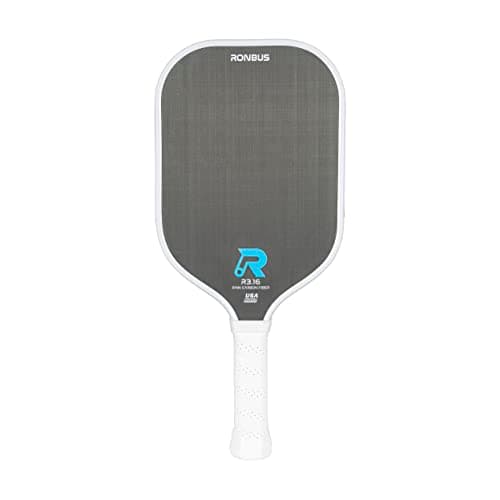 Ronbus R3.16 Raw Toray T700 Carbon Fiber 16mm Raw Toray T700 carbon over a 16mm polypropylene honeycomb core - the same two specifications that define the DBD, from another direct-to-consumer brand. | A player who wants the DBD's exact face and core specification for less money | $79.99 · View on Amazon $99.99 save 20% |
| 2 | 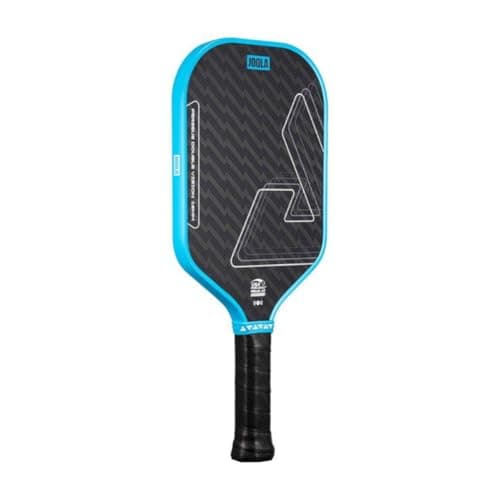 JOOLA Perseus Double Vision 16mm A 16mm signature-shape paddle with an aramid face JOOLA publishes as a softer, more responsive touch. | A control player who wants a soft, connected face from a brand with retail presence | |
| 3 | 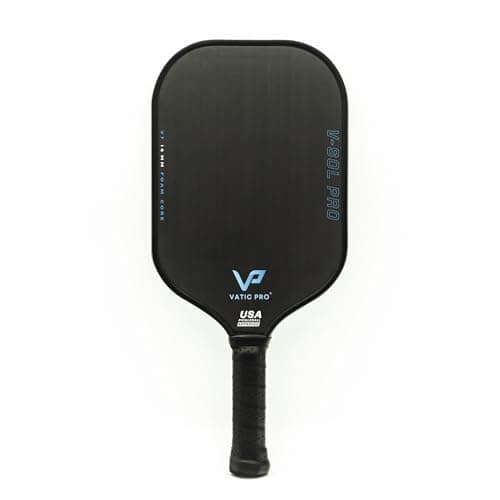 Vatic Pro V-Sol Pro V7 16mm Foam Core A 16mm foam-core paddle with a cover in the box, for substantially less than the DBD. | A player who wants a 16mm foam-core paddle and shops on construction rather than on brand | |
| 4 | 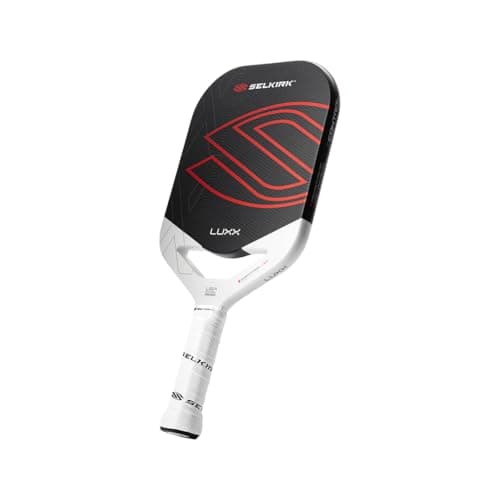 Selkirk Sport LUXX Control (Invikta) Selkirk's control flagship in the Invikta shape - the one alternative here that costs more than the original, deliberately. | A player who wants a control flagship from a US brand with a real warranty, and will spend above the DBD | $199.99 · View on Amazon $279.99 save 29% |
| 5 | 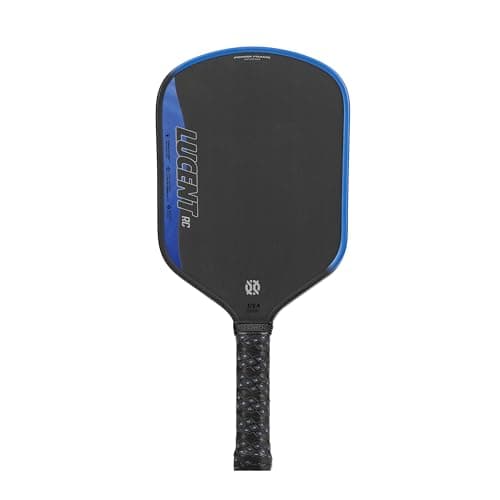 Onix Lucent Raw Carbon An elongated raw carbon paddle with a tennis-style grip, USAPA approved, from a brand sold on sporting-goods shelves. | A player who liked the DBD for its reach and wants a recognizable brand on the throat | $100.50 · View on Amazon $119.99 save 16% |
| 6 | 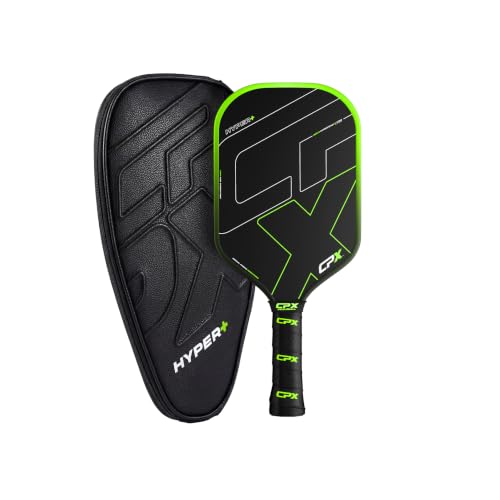 CPX Hyper+ Full Foam 14mm A full-foam core instead of a honeycomb one - the construction the top of the market has moved toward, at under the DBD's price. | A player leaving the DBD because they want to try the newest thing, not because of price | $99.99 · View on Amazon $149.99 save 33% |
| 7 | 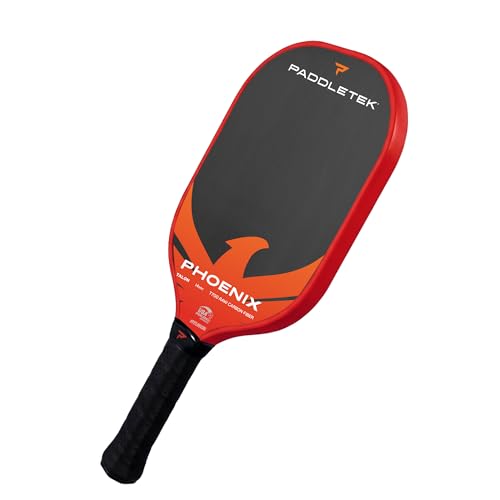 Paddletek Phoenix Talon 14mm A raw carbon face over a polypropylene honeycomb core with a published 5.25 in handle, at a little over half the DBD's price. | Anyone who wants a raw carbon control face at the lowest sensible price |
The picks in detail
Ronbus R3.16 Raw Toray T700 Carbon Fiber 16mm
Best for: A player who wants the DBD's exact face and core specification for less money
This is the closest match on this page, and the comparison is unusually clean. The listing specifies a Ronbus raw Toray T700 carbon fiber paddle with a 16 mm polypropylene honeycomb core - which is, specification for specification, the same hitting surface grade and the same core thickness Six Zero publishes for the 16mm DBD Control. T700 is a defined carbon grade rather than a marketing adjective, so this is a like-for-like on the part of the paddle that touches the ball. Ronbus is also the same kind of company as Six Zero: direct-to-consumer, reputation built on published materials rather than on endorsement, priced for the player who reads spec sheets. What you give up is the DBD's thermoformed one-piece construction and its tapered elongated handle.
Skip it if: Skip it if you want one shape in one box, because this is a multi-model listing covering the R1, R2 and R3 in 16mm and the variant depends on the option selected - read the dropdown, not the title. Skip it too if the elongated handle was the reason you wanted the DBD: this listing does not publish a comparable tapered handle, and the ONIX pick below is the elongated answer here.
JOOLA Perseus Double Vision 16mm
Best for: A control player who wants a soft, connected face from a brand with retail presence
Buy this one if what you liked about the DBD is that it feels like it holds the ball. The listing specifies a JOOLA Perseus Double Vision 16mm with JOOLA's signature paddle shape, an aramid surface the brand describes as giving a softer responsive touch, SK Film for reduced vibration, USAP approval and an NFC chip. Aramid is a different fiber from carbon and that is the point: where raw carbon grips, aramid damps, and the two reach a similar place - a paddle that lets you place the ball rather than launch it - by different routes. You also get something the DBD cannot give you, which is a brand sold through mainstream retail with a conventional warranty path. The signature shape keeps the elongated family character.
Skip it if: Skip it if raw carbon specifically is what you are replacing, because an aramid face does not grip the ball the same way and a player chasing spin will notice - the top pick and the budget pick are the raw carbon answers. Skip it too if you want the current JOOLA flagship; this is the softer sibling in the line rather than the Pro IV, which is a different paddle at a different price.
Price as of November 22, 2026. #ad · how this works
Vatic Pro V-Sol Pro V7 16mm Foam Core
Best for: A player who wants a 16mm foam-core paddle and shops on construction rather than on brand
This is the value pick and it is the closest thing here to the DBD's buying experience. The listing specifies a Vatic Pro V-Sol Pro V7 at 16mm with a foam core and an included paddle cover, at close to sixty percent of what the DBD costs. Three parts of that line up with what a DBD shopper wants: the 16mm thickness is the control thickness, foam in the build is what stiffens the frame and pushes the usable area outward, and a cover in the box is a small thing that direct-to-consumer brands do and shelf brands mostly do not. Vatic Pro occupies the same slot in players' minds that Six Zero does - a brand you find through other players rather than in a store - at a lower price point. For a player replacing a DBD on budget grounds rather than on specification grounds, this is the honest first stop.
Skip it if: Skip it if you need a published static weight, because Vatic Pro does not publish one for this model and weight is not a figure this page will guess at. Skip it too if the paddle is a gift for someone who shops by name - this listing publishes a model code and a core thickness, not a story, and that is a strange thing to unwrap.
Selkirk Sport LUXX Control (Invikta)
Best for: A player who wants a control flagship from a US brand with a real warranty, and will spend above the DBD
This is the pick when the reason for leaving the DBD is service rather than money. The listing specifies a Selkirk Sport LUXX Control paddle in the Invikta shape, with a secure grip and what Selkirk describes as 2,000-RPM spin technology, for every skill level. Two things make it the right splurge on this page. Selkirk is a US manufacturer with retail distribution and an established warranty process, which is the single clearest difference between it and a direct-to-consumer brand. And the Invikta is Selkirk's elongated shape, so you keep the reach and the handle character that the DBD's tapered elongated build gives you, rather than trading them away. The spin figure is Selkirk's own published claim and worth reading next to USA Pickleball's 2,100 RPM test limit taking effect October 1, 2026 - for sanctioned play, confirm the exact model in the approved equipment database.
Skip it if: Skip it if the budget was the reason you are on this page, because this is the only pick here that costs more than the paddle it replaces. Skip it too if you specifically want a raw, unpainted carbon surface: this listing publishes a spin technology rather than a raw carbon face, and the top pick is where the raw T700 specification is.
Onix Lucent Raw Carbon
Best for: A player who liked the DBD for its reach and wants a recognizable brand on the throat
Buy this one if the shape is what you are replacing. The listing specifies an ONIX Lucent Raw Carbon paddle with an elongated shape, a Hexcell core, a carbon fiber face, a tennis-style pickleball paddle grip and USAPA approval - which keeps two of the DBD's defining traits, the elongated outline and the raw carbon face, from a brand a non-player will have seen in a store. The tennis-style handle is a genuine differentiator rather than a rewording: a player who arrived at pickleball from tennis and likes the leverage of an elongated head often finds a familiar handle shape easier to adapt to than a pickleball-specific one. It is also the cheapest elongated raw carbon listing on this page, which makes it the practical shape-first answer.
Skip it if: Skip it if the 16mm core was the part you wanted, because this listing publishes a Hexcell core without stating a thickness, and that is a gap this page will not fill with an assumption. Skip it too if you want Six Zero's thermoformed one-piece build; nothing on this listing claims thermoforming, and the top pick is the nearest construction match.
CPX Hyper+ Full Foam 14mm
Best for: A player leaving the DBD because they want to try the newest thing, not because of price
This is the pick for the curious player. The listing specifies a CPX Hyper+ Series Full Foam paddle with Hyperfoam X Core technology in 14mm. The reason it belongs on a DBD alternatives page is that it answers the question the DBD's thermoformed, foam-reinforced build raises: if foam in the frame makes a paddle stiffer and the sweet spot wider, what happens when the whole core is foam? That is a different construction from everything else here, not a cheaper version of the same one, and it costs less than the paddle you would be replacing. For someone who has already owned a thermoformed honeycomb control paddle and wants the next step rather than a sideways one, this is it.
Skip it if: Skip it if you want a specification sheet to compare against Six Zero's, because this listing publishes very little beyond the core technology and the thickness - no weight, no handle length, no certification statement - and a thin spec sheet is a real cost when you are replacing a paddle you know. Skip it too if 16mm control is the brief; at 14mm this is the livelier choice.
Paddletek Phoenix Talon 14mm
Best for: Anyone who wants a raw carbon control face at the lowest sensible price
This is the budget pick and it keeps the specification that matters most. The listing specifies a Paddletek Phoenix Talon 14mm with a raw carbon fiber face, balanced control and spin, a polypropylene honeycomb core, USAPA approval and a 5.25-inch handle - so against the DBD you keep the unpainted carbon hitting surface and the honeycomb core family, and you give up the thickness, the thermoformed build and the tapered elongated handle. The published handle length is what makes it a serious candidate rather than just a cheap one: at 5.25 inches a two-handed backhand remains practical, which is one of the specific reasons players buy a DBD. Paddletek is also a long-established US brand, so the warranty path is conventional.
Skip it if: Skip it if the 16mm core is non-negotiable, because 14mm is the livelier thickness and a player who chose the DBD for forgiveness will feel the difference immediately. Skip it too if you want the frame stiffness that thermoforming gives; this is a conventional build with a very good face, and it does not pretend otherwise.
Price as of November 22, 2026. #ad · how this works
Frequently asked questions
What is the Six Zero Double Black Diamond known for?
Control, and a specific construction behind it. Per Six Zero's own published specification, the DBD Control pairs a premium honeycomb polymer core with a Toray T700 raw carbon face and is thermoformed - the face and the brand's fusion edge construction run the full length of the handle and are melded into one piece under heat and pressure. The handle is elongated with a tapered neck that Six Zero describes as suiting two-handed backhand players, the surface is a permanent texture for spin, and a neoprene cover is included. It is widely regarded as one of the paddles that proved a direct-to-consumer brand could compete with the big names on construction, which is most of why people shop against it.
Why would I buy an alternative instead of the DBD itself?
Three ordinary reasons, none of which is a criticism of the paddle. Price: it sits above the $150 line where most of the category's current construction is now available, and several paddles on this page publish the same face grade or the same core thickness for less. Availability: Six Zero sells mainly through its own storefront, and marketplace stock for a specific thickness, weight edition or edge-guard color comes and goes. And service: some buyers prefer a US brand with retail distribution and a conventional warranty path, which two picks on this page offer. If none of those applies to you, buy the DBD - our review covers it in full.
Which alternative is closest to the DBD?
The Ronbus raw Toray T700 paddle with the 16mm polypropylene honeycomb core, because it matches the two specifications that define the original: the same carbon grade on the hitting surface and the same core thickness. What it does not match is the thermoformed one-piece construction or the tapered elongated handle. If the handle and the reach are what you are replacing, the ONIX elongated raw carbon pick is the closer answer; if the soft, holds-the-ball feel is what you want, the aramid-faced JOOLA is. There is no single paddle on this page that matches the DBD on every count, and a page that claimed otherwise would be selling you something.
Is 14mm or 16mm the right thickness to replace a DBD with?
16mm if you are replacing a 16mm DBD, and 16mm if you do not know. JOOLA's own paddle guide describes 16mm as the choice for control and stability and thinner cores as the ones that deliver pop, and the DBD Control's whole character comes from a thick core. Three picks on this page are 16mm and three are 14mm; the 14mm ones are livelier, ask more of your accuracy and give you free pace in return. USA Pickleball does not regulate core thickness at all, so neither thickness clears a bar the other does not - this is a feel-and-forgiveness decision, not a legality one.
Will any of these be approved for tournament play?
Check each one in USA Pickleball's approved equipment database before you buy, and do not take a retail listing's word for it. Several listings on this page state USAP approval or UPA-A certification and some say nothing about it, but approval is per model and per generation, and brands revise paddles without renaming them. USA Pickleball has also published a spin rate test with a 2,100 RPM maximum taking effect from October 1, 2026, which is the reason spin claims are suddenly everywhere on paddle listings. For recreational and club play none of this matters at all; for sanctioned tournaments it is the only thing that does.
How were these chosen, and have you tested them?
No. Nobody on this site has hit with a Double Black Diamond or with any paddle on this page, there is no testing program behind Popaddle, and no rating, spin measurement, swing weight or durability comparison here is ours. The shortlist is every paddle in this site's registry that matches at least one of the DBD's defining specifications - a raw carbon face, a thick honeycomb core, a foam-reinforced build or a control-first elongated shape - and that the Creators API reported as In Stock with a live price on the day this page was written. Listings reporting low stock were excluded. The DBD itself is not a pick here, because on the day of writing its own marketplace listings were unavailable or low on stock, which is part of why this query exists. Every specification on both sides is repeated from the manufacturer's published listing or product page, all of which are linked below.
Keep exploring
Every specification Six Zero publishes, 14mm vs 16mm, and who the paddle suits.
Best pickleball paddles under $150The whole band these alternatives come from, sorted by playing style.
JOOLA Perseus alternativesThe same exercise for the sport's best-known signature paddle.
Selkirk paddle alternativesWhat to buy instead when the brand, not the paddle, is the obstacle.
Best control pickleball paddlesThe category the DBD sits in, without the brand filter.
Carbon vs fiberglass paddle facesWhy a raw carbon surface is the specification worth chasing.
Sources
- Six Zero — Double Black Diamond Control product page (published specifications)
- JOOLA — Official Paddle Guide (core thickness: 16mm for control and stability, thinner cores for pop)
- Selkirk Sport — the ultimate guide to pickleball paddle shapes (standard/widebody shapes spread the hitting area; elongated shapes trade sweet-spot width for reach)
- USA Pickleball — Official Rulebook, Section 2 (2.E.3 paddle size: 24 in combined length and width, 17 in maximum length; 2.E.4 no weight restriction; no core-thickness limit)
- USA Pickleball — update regarding the spin rate test and implementation timeline (2,100 RPM maximum from October 1, 2026)
- USA Pickleball — Approved equipment database (current approval status, paddle by paddle)
Browse another way