Best Gear
The Best Pickleball Paddles Under $75
This is the band where real brands get cheap rather than where cheap brands pretend. Seven picks under the line, one per player, with what each one gives up.
By Stephen V. · Updated November 2026 · How we pick
The short version: buy the JOOLA Graf Edge 16mm. Its listing publishes a carbon fiber face, a textured surface, a polypropylene honeycomb core, a 7.8 oz midweight and both USAP and UPA-A certification - and a published weight plus dual certification is close to unheard of under $75. The budget pick is the ONIX Graphite MOD Z5, a wide-body graphite paddle from the brand that taught half the country to play, at the lowest live price in this band. The best specification per dollar is the Selkirk SLK Evo Control XL, which publishes a T700 CarbonFusion face and a thermoformed body - the two features that defined the expensive end of the market two years ago. And if two people need paddles rather than one, the GARYE 2-pack comes in under the line with balls and a bag.
Here is why $75 is a more interesting line than the round numbers either side of it. Our under-$50 page is about the floor of the category and our under-$100 page is about the point where raw carbon becomes normal. Seventy-five dollars is the line where established brands - JOOLA, Selkirk, ONIX, Paddletek - stop being a step up and become the default, because all four of them have a paddle under it. That changes the advice. Below $50 you are mostly choosing between unfamiliar marketplace names; at $75 you can have a brand with a warranty path, a published specification and a paddle that will not embarrass anyone at a club session, and the only thing you give up is the current season's flagship construction.
What the money actually buys, in order, because the ladder inside this band is short and worth knowing. At the bottom - under about $40 - you get a graphite or carbon face bonded to a honeycomb core in a conventional build, in a wide-body outline, from a brand people recognize. Between about $40 and $50 something unusual happens: two of the picks here publish specifications that belong a tier up, a thermoformed body with a T700-grade carbon face in one case and a certified midweight carbon paddle with a published weight in the other. From $50 to the ceiling you are buying American manufacturing and published handle lengths rather than better materials. Nothing above this band clears a bar that nothing below it clears: USA Pickleball's rulebook caps a paddle at 17 inches long and 24 inches of combined length and width, puts no limit on weight and says nothing at all about core thickness or face material.
The one specification that decides this purchase is core thickness, and most listings in this band do not publish it. JOOLA's own paddle guide is the clearest manufacturer statement on the subject: 16mm is the choice for control and stability, and thinner cores deliver pop. A thicker core flexes and absorbs, so the ball sits on the face a fraction longer and leaves with less free pace - that is what people mean by control and forgiveness. A thinner core returns more of the ball's energy, so you get speed you did not have to generate, a smaller effective sweet spot and more buzz on an off-center hit. The top pick here publishes 16mm and the Paddletek publishes 14mm; the rest do not publish a figure at all, and this page says so rather than guessing. If you have no idea which to choose, choose the 16mm: a thick core asks you to swing a little harder, while a thin one lets balls fly long.
Shape is the second filter and in this band it is unusually easy, because most of what is here is wide-body. Selkirk's shape guide states the trade plainly - standard and wide-body outlines spread the hitting area, while elongated outlines trade sweet-spot width for reach - and the rulebook's 24 inches of combined length and width is why the trade cannot be avoided. Four picks below are wide-body or XL outlines, which is the right default for anyone who is not already a confident 4.0: a bigger sweet spot helps every player, while reach only helps a player who can already find the middle of a narrower face. There is no elongated power paddle on this page, and that is not an omission - the elongated paddles worth owning sit above this ceiling, and they are covered on our under-$150 page.
Grip and handle, which is where cheap paddles usually say nothing and two of these say something. The ONIX Graphite Z5 publishes a 4 1/4 inch grip size, the Paddletek publishes a 5.25-inch handle, and the niupipo publishes a 4.72-inch cushioned grip without specifying whether that figure is the handle length or the circumference - so this page reports it as the listing states it and does not convert it into a claim. Selkirk's grip guidance is the rule worth following: measure from the middle crease of the palm to the tip of the ring finger, and when you are between sizes go smaller and build the handle up with an overgrip, because material can be added and never taken away. If the player uses two hands on the backhand, handle length is the first filter and the Paddletek is the pick that publishes one.
A note on who should not shop this band. If the player is a committed 4.0-plus who already knows they want a thermoformed elongated paddle with foam in the frame, this is the wrong page - that paddle costs more and our under-$150 roundup covers it. If you are buying a gift for someone who has never played, a paddle alone is often the wrong gift and a set with balls is the better one, which is why there is a two-paddle pick below and why our beginner set roundup exists. And if the player has an elbow problem, thickness and weight matter more than price does; our paddles for tennis elbow page handles that properly.
How this band was drawn, stated plainly, because a price ceiling should be honest about where it came from. It came from this site's own price layer and was then re-verified listing by listing against the retailer on the day of publication: six single paddles in our registry report In Stock with a live price under $75, plus one two-paddle set. Two listings that sit under the line were excluded for stock rather than for price - a 16mm TENVINA reporting only three left, and the ONIX Evoke Premier reporting thirteen - because a pick you cannot reliably buy is not a recommendation. Several paddles that were under $75 a month ago are not today, which is the other reason no number is typed into this copy.
The honesty section. Nobody on this site has hit with any of these paddles. There is no lab, no ball machine and no testing program behind Popaddle, and not one swing weight, spin rating, durability judgment or feel description below is presented as measured by us. Every face material, core description, thickness, weight, grip figure, shape and certification claim is repeated from the live retail listing it describes, and the construction and shape context is sourced to JOOLA, Selkirk and USA Pickleball at the foot of this page. Where a listing publishes no figure - and in this band that is common - this page does not supply one. USA Pickleball has also published a spin rate test with a 2,100 RPM maximum taking effect from October 1, 2026; for sanctioned play, confirm the exact model in USA Pickleball's approved equipment database rather than trusting a listing. Prices render live from this site's price layer with their own date stamp, so if a pick has crossed $75 since publication the button will tell you before you click.
Disclosure: Popaddle earns a commission on qualifying purchases made through the links on this page, at no extra cost to you. Prices are pulled live and can change. How this works.
| # | Product | Best for | Price |
|---|---|---|---|
| 1 | 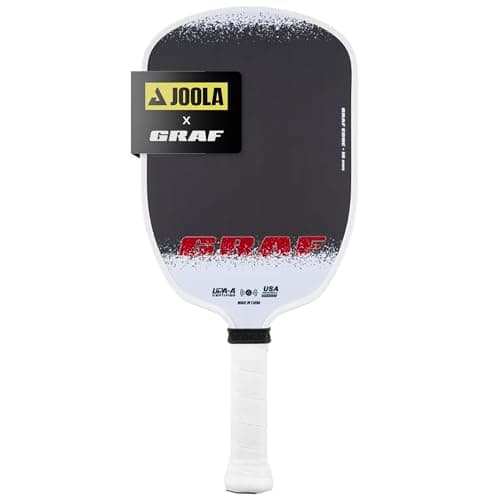 JOOLA GRAF Edge 16mm A 16mm carbon paddle with a textured surface, a published 7.8 oz midweight and both USAP and UPA-A certification. | Anyone who wants one good paddle under the line and would like to know what it weighs | $42.46 · View on Amazon $49.95 save 15% |
| 2 | 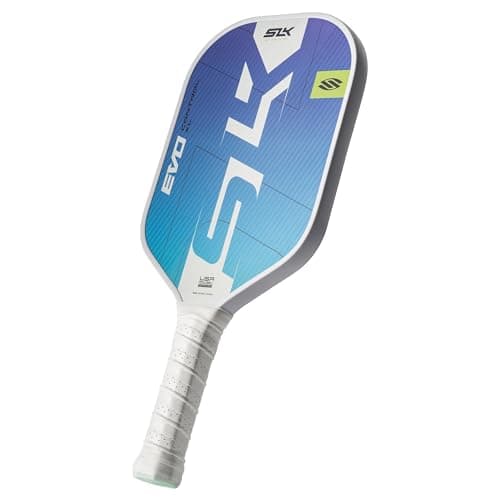 Selkirk SLK Evo Control XL Carbon Fiber A thermoformed paddle with a T700 CarbonFusion face and a Rev-Control honeycomb core, in Selkirk's XL wide-body shape. | A player who wants modern construction - thermoformed, T700 carbon - without paying modern prices | $39.99 · View on Amazon $79.99 save 50% |
| 3 | 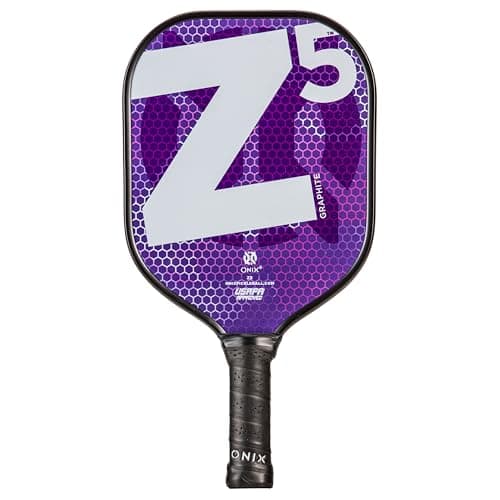 ONIX Graphite Z5 The graphite Z5 - wide-body, USA Pickleball approved on the listing, with a published 4 1/4 inch grip. | A recreational player who wants the paddle most American clubs learned on | $56.97 · View on Amazon $66.93 save 15% |
| 4 | 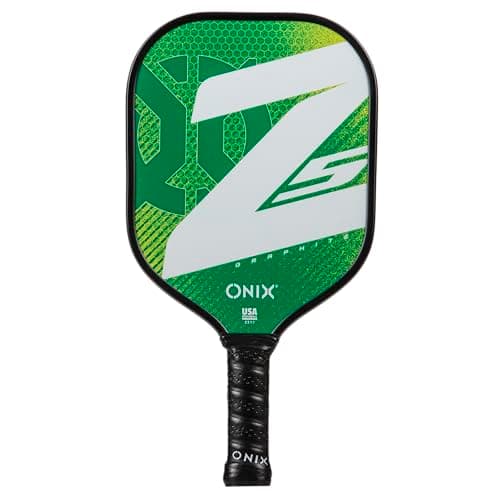 Onix Graphite MOD Z5 The newer MOD revision of the Z5 shape - wide-body, graphite face, honeycomb core - at the lowest live price in this band. | A first paddle, a spare for the bag, or a second one to lend to whoever turned up empty-handed | $36.79 · View on Amazon $66.41 save 45% |
| 5 | 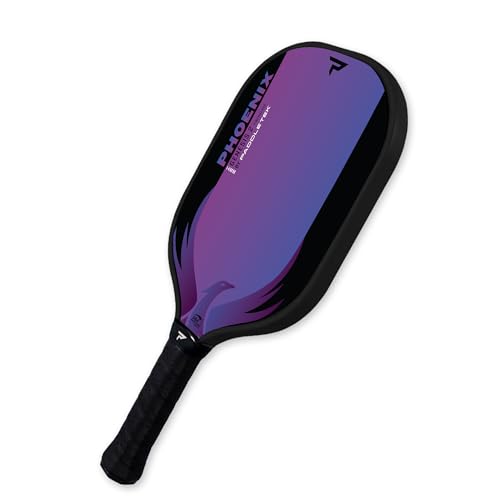 Paddletek Phoenix Genesis 2 14mm A fiberglass composite face with easy power and soft feel, USAPA approved, with a published 5.25-inch handle. | A player who wants a long-established US brand and a published handle length | |
| 6 | 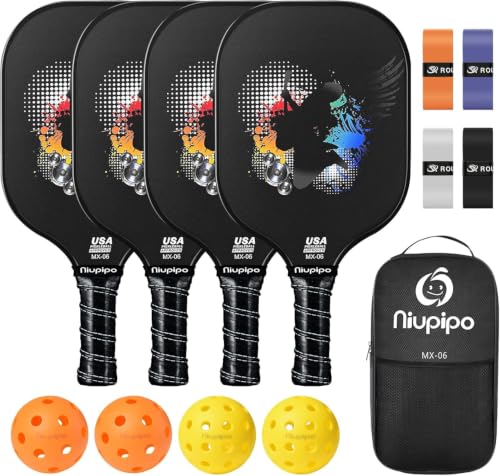 niupipo Pickleball Paddle A graphite paddle with a polypropylene honeycomb core, USAPA approval and a cover and bag in the box. | A player who wants a paddle plus the bits nobody tells you to buy separately | $47.49 · View on Amazon $69.99 save 32% |
| 7 | 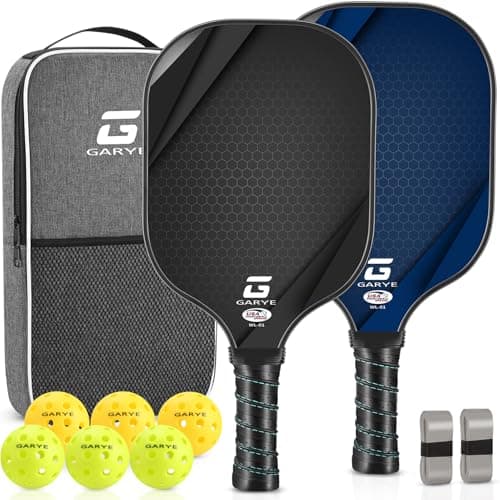 GARYE Pickleball Paddles Set of 2/4 Two carbon-faced paddles with six balls, a bag and grip tapes, USAPA approved, comfortably under the line. | Two people starting together, or a single gift that has to cover a couple | $37.99 · View on Amazon $45.99 save 17% |
The picks in detail
JOOLA GRAF Edge 16mm
Best for: Anyone who wants one good paddle under the line and would like to know what it weighs
This is the paddle to buy if you want one answer. The listing specifies a JOOLA Graf Edge 16mm with a carbon fiber face in the Agassi shape, a textured surface, a polypropylene honeycomb core, a 7.8 oz midweight and USAP and UPA-A certification. Three of those are remarkable at this price. A published static weight is rare in this band and genuinely useful - 7.8 oz is midweight, which means enough mass to stay stable when the ball arrives fast without being tiring to swing. The 16mm core is the forgiving thickness per JOOLA's own guide. And UPA-A is the professional tour's certification, which almost nothing under $75 carries. You are buying a current-catalog paddle from a top-three brand, not a clearance model.
Skip it if: Skip it if you want the brand's signature line specifically - this is JOOLA's accessible tier, and the Hyperion and Perseus paddles people read about cost two to three times as much. Skip it too if you need a long handle for a two-handed backhand, which this listing does not publish and the Paddletek pick below does.
Selkirk SLK Evo Control XL Carbon Fiber
Best for: A player who wants modern construction - thermoformed, T700 carbon - without paying modern prices
Read this listing twice, because it does not read like a sub-$50 paddle. It specifies a Selkirk SLK Evo Control in the Carbon Fiber XL shape, with a T700 CarbonFusion face and a Rev-Control honeycomb core, thermoformed for a large sweet spot. Thermoforming and a T700-grade carbon face are the two construction features that defined the expensive end of this market two years ago, and here they are at the bottom of this band. The XL outline is the right pairing for the buyer this pick serves - per Selkirk's own shape guide a wider outline spreads the hitting area, which is exactly what a developing player needs. Selkirk is also a genuine US brand with retail presence and a warranty path, which is the other thing you usually give up down here.
Skip it if: Skip it if you want a published static weight, which this listing does not give - if weight is your deciding specification, the top pick publishes 7.8 oz. Skip it too if the player is an established 4.0 who has settled on a thinner core or an elongated head: this is a control-first wide-body and it will feel like a step sideways rather than forward.
ONIX Graphite Z5
Best for: A recreational player who wants the paddle most American clubs learned on
This is the most recognizable paddle in the band and it earned that the hard way. The listing specifies an ONIX Graphite Z5 with a graphite carbon fiber face, a cushion comfort grip, USA Pickleball approval and a grip size of 4 1/4 inches. The Z5 shape is wide-body, which means the sweet spot is spread across a broader face - the single most useful property a paddle can have for a player who is still finding the middle. A graphite face is the classic lightweight surface: it does not grip the ball like raw carbon, but it is quick and predictable. The published grip size is the detail worth having, because 4 1/4 is a mid-size circumference you can build up with an overgrip if it is too small, which per Selkirk's guidance is the direction you want to be wrong in.
Skip it if: Skip it if spin is the thing you are trying to buy - a smooth graphite face does not bite the ball the way the raw and textured carbon faces on this page do. Skip it too if you want the newest version of this shape, which is the MOD Z5 below and which is currently the cheaper of the two.
Onix Graphite MOD Z5
Best for: A first paddle, a spare for the bag, or a second one to lend to whoever turned up empty-handed
This is the cheapest paddle on the page and it is not a compromise so much as a rational floor. The listing specifies an Onix Graphite MOD Z5 with a carbon fiber face, a wide-body shape, a honeycomb core, a graphite face and a cushion comfort grip. It is the revised version of the Z5 shape rather than a different paddle, so you get the same broad hitting area and the same forgiving brief in the current generation. At this money it is also the obvious answer to a question this site gets asked constantly: what do I put in the bag for guests and beginners? This one, twice.
Skip it if: Skip it if you want the published approval statement, which the original Z5 listing above carries and this one does not spell out. Skip it too if this is the only paddle a committed player will own - it is a fine paddle and it is still the entry rung, and the two picks above it publish construction that will serve a developing player longer.
Paddletek Phoenix Genesis 2 14mm
Best for: A player who wants a long-established US brand and a published handle length
Buy this one if brand longevity and a handle specification matter to you. The listing specifies a Paddletek Phoenix Genesis 2 14mm with a fiberglass composite face, easy power and soft feel, USAPA approval and a 5.25-inch handle. Paddletek is a long-established US brand rather than a marketplace label, which is the part that matters if a warranty claim is ever in your future. The published handle length is the functional reason to pick it: at 5.25 inches a two-handed backhand is practical, and nothing else under $75 on this page tells you what its handle measures. A composite face is also forgiving and lively, which suits a player still building consistency. Our full Paddletek brand page covers where this sits in the range.
Skip it if: Skip it if spin is the point - fiberglass does not bite the ball the way raw carbon does, and the Talon above this paddle in Paddletek's own range is the carbon answer. Skip it too if balls already sail long on you: this is the one pick here that publishes a 14mm core, and per JOOLA's guide thinner cores are the pop choice rather than the control one.
Price as of November 22, 2026. #ad · how this works
niupipo Pickleball Paddle
Best for: A player who wants a paddle plus the bits nobody tells you to buy separately
This is the practical pick. The listing specifies a niupipo pro graphite paddle with USAPA approval, a polypropylene honeycomb core, a 4.72-inch cushioned grip, a portable bag and paddle cover, and a lightweight build. The reason it is here is the inclusions: a cover keeps the face clean and unscratched in a bag, and a bag means the recipient does not immediately need a second purchase - and at this price the bundle costs less than most paddles alone in the top half of this band. The polypropylene core is the softer, more damped of the two core materials in common use, which pairs sensibly with a graphite face. It is a marketplace brand rather than a shelf one, and the honest framing is that you are buying inclusions rather than pedigree.
Skip it if: Skip it if you want to know what the published figure refers to: the listing states a 4.72-inch cushioned grip without saying whether that is handle length or circumference, and this page will not pick one for you. Skip it too if brand recognition is part of a gift - the JOOLA, Selkirk, ONIX and Paddletek picks on this page all do work on the unwrapping that this one cannot.
GARYE Pickleball Paddles Set of 2/4
Best for: Two people starting together, or a single gift that has to cover a couple
If the real problem is that two people need to play, this solves it under the ceiling. The listing specifies a GARYE set in 2 or 4-paddle configurations with USAPA approval, carbon fiber paddles, six balls, one bag and a pair of grip tapes. Two paddles, the balls and a bag for less than one mid-range paddle is a genuinely different kind of value, and the six balls matter more than people expect - outdoor balls crack, and a set that includes several means nobody is driving to a store mid-session. Choose the option carefully on the listing, because the 2-pack and the 4-pack are the same product page at different prices. For a couple or a family starting out, this is the most useful thing on this page.
Skip it if: Skip it if either player is already committed: a matched pair of entry paddles is the wrong answer for someone with preferences about shape and thickness, and one good paddle each is the better spend. Skip it too if you want a brand with a service history - this is a marketplace label, and the Paddletek set on our brand page is the established-brand version of the same idea at a higher price.
Frequently asked questions
Is $75 enough for a good pickleball paddle?
Yes, and the reason is that the brands came down rather than the standards. Under $75 you can buy a JOOLA with a published 7.8 oz weight and dual USAP and UPA-A certification, a Selkirk that publishes a thermoformed body and a T700 carbon face, an ONIX in the shape most American clubs learned on, or a Paddletek with a published handle length. USA Pickleball's rulebook puts no limit on weight, core thickness or face material, so nothing above this line clears a bar that nothing below it clears. What more money buys is the current season of a signature line, raw textured carbon faces, foam in the frame and elongated shapes - real things, and not necessary things.
What is the difference between a $40 paddle and a $75 paddle?
In this band, less than you would think, and the difference is mostly information and manufacturing rather than materials. The two cheapest picks here publish a thermoformed T700 carbon face and a wide-body graphite face respectively, which is real construction. What the top half of the band adds is published specifications - a static weight, a handle length, a certification statement - and American brands with a warranty path. The one thing that does scale with price across the whole category is the hitting surface: raw, unpainted, textured carbon grips the ball and costs more, and most faces in this band are graphite, composite or coated carbon instead.
Should I buy a 14mm or 16mm paddle under $75?
16mm if you are not sure, and in this band that means the top pick. JOOLA's own paddle guide describes 16mm as the choice for control and stability and thinner cores as the ones that deliver pop. The practical version: a thick core absorbs, so you swing a bit harder but mis-hits stay on the court; a thin core returns energy, so you get free pace and a smaller margin for error. Only two listings on this page publish a thickness at all - the JOOLA at 16mm and the Paddletek at 14mm - and that is itself a reason to start with the JOOLA if thickness matters to you.
Are cheap pickleball paddles USA Pickleball approved?
Many are, including most of the picks here - several of these listings state USAPA approval and the top pick states both USAP and UPA-A certification. But approval is granted per model and per generation, brands revise paddles without renaming them, and a retail listing is not an authoritative record. USA Pickleball maintains an approved equipment database that lists current status model by model, and it has published a spin rate test with a 2,100 RPM maximum taking effect from October 1, 2026. If the paddle is for sanctioned tournament play, check the exact model there before buying. For recreational and club play, none of it matters.
Is it better to buy one $75 paddle or a set of two cheaper ones?
It depends on who is playing, and the honest answer is not the more expensive one. If one person is going to play regularly, buy them the single best paddle under the line - a better face and a published specification will serve them for years. If two people are starting together, or the gift has to cover a couple, the two-paddle set with balls and a bag is the better spend, because a single paddle means somebody is always borrowing and outdoor balls crack faster than anyone expects. Our beginner set roundup covers the boxes that add a net and a case as well.
How were these picks chosen, and have you tested them?
No, and that is the first thing to say. Nobody on this site has hit with any of these paddles, there is no testing program behind Popaddle, and no rating, swing weight, spin figure or feel judgment here is ours. The shortlist is every paddle in this site's registry carrying a live price under $75, re-verified against the retailer on the day of publication and filtered to listings reporting In Stock - two listings under the line were dropped for low stock, a 16mm TENVINA and the ONIX Evoke Premier. The picks are then sorted so each one covers a different buyer rather than a different price point. Every specification is repeated from the listing it describes; construction and shape context is sourced to JOOLA, Selkirk and USA Pickleball below. Prices render live, so if a pick has crossed the line the button tells you before you click.
Keep exploring
The rung below, and what the floor of the category actually looks like.
Best pickleball paddles under $100The rung above, where raw carbon faces become normal.
Best Paddletek pickleball paddlesWhere the Genesis 2 sits in the American brand's range.
Best Vatic Pro paddlesThe direct-to-consumer brand one bracket up, and why it has no budget tier.
How much do pickleball paddles cost?Every price band in the category, and what each one buys.
Best pickleball paddles for beginnersShop the player rather than the ceiling.
Pickleball paddle thickness: 14mm vs 16mmThe specification most listings in this band do not publish.
Sources
- JOOLA — Official Paddle Guide (core thickness: 16mm for control and stability, thinner cores for pop)
- Selkirk Sport — the ultimate guide to pickleball paddle shapes (standard/widebody shapes spread the hitting area; elongated shapes trade sweet-spot width for reach)
- Selkirk Sport — how to know your pickleball grip size (measure from the middle crease of the palm to the tip of the ring finger; when between sizes, go smaller and build up with an overgrip)
- USA Pickleball — Official Rulebook, Section 2 (2.E.3 paddle size: 24 in combined length and width, 17 in maximum length; 2.E.4 no weight restriction; no core-thickness limit)
- USA Pickleball — Approved equipment database (current approval status, paddle by paddle)
- USA Pickleball — update regarding the spin rate test and implementation timeline (2,100 RPM maximum from October 1, 2026)
Browse another way